Online Reporter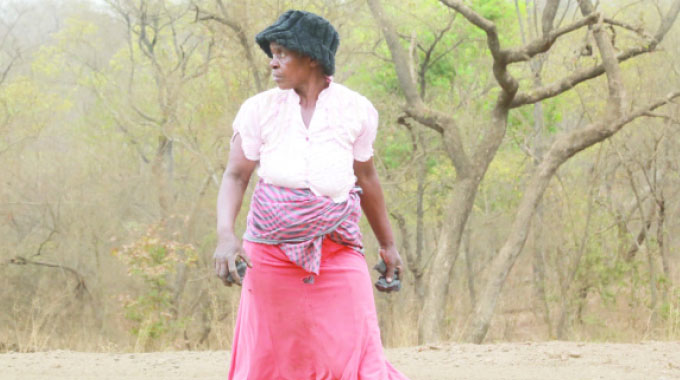
Raymond Jaravaza, Sunday News Reporter
EVERY morning, just as the first rays of sunlight cut across the quiet village of Mlonyeni in Mbembesi, two elderly women, Deliwe Luphahla and Christina Ngwenya, lace up their worn shoes and begin a dangerous three-kilometre walk to the busy Bulawayo–Victoria Falls Road.
Their mission is not to board a bus or sell food to passing motorists. Armed with empty cement bags, they tread carefully along the highway, eyes fixed on the ground, in search of what most people would overlook: coal stones and discarded beverage cans.
Each small piece of coal they find has likely fallen off the endless stream of haulage trucks that ferry the black mineral from Hwange to Bulawayo and beyond, often to South Africa.
The road is riddled with potholes, and as trucks jolt and sway, a few stones tumble off, scattering along the highway.
It’s a treasure hunt of sorts, one that demands patience, sharp eyes and courage.
“We walk about eight kilometres along the highway picking up coal that falls from trucks as well as empty cans that motorists throw away. The coal is scattered, sometimes buried in the potholes, so we have to look carefully,” said Luphahla.
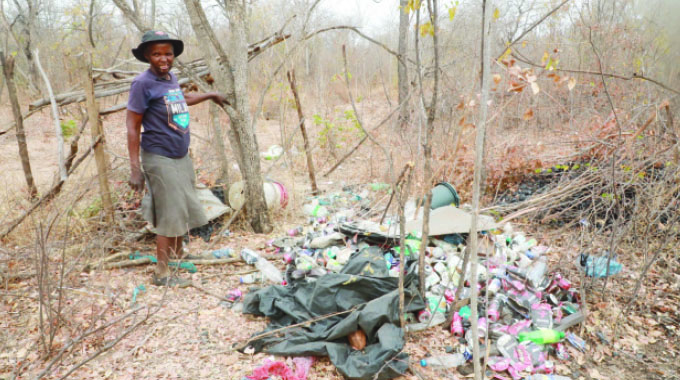
Finding cans, they say, is easier. The shiny remains of energy drinks, beer and soft drinks are visible from afar, glinting under the sun.
But to reach the right weight for sale, they must fill twice as many bags of cans as they do of coal.
Once their bags are full, the women haul their loot to a bushy spot near the village, where they store it until they have enough to transport to Bulawayo. There, they exchange the cans and coal for something unexpected — pots, plates and pans.
“There is a company in Bulawayo that manufactures kitchen utensils. They take two bags of cans and a bag of coal in exchange for finished products.
“For example, if we bring four bags of cans and two bags of coal, they give us two pots,” said Ngwenya.
The women then sell the pots back home in Mlonyeni and surrounding villages. On a good month, each can sell about six pots, just enough to buy groceries and other essentials.
“It’s not much, but it puts food on the table,” said Ngwenya.
The job is gruelling and perilous.
The Bulawayo–Victoria Falls Road is in such poor condition that motorists often swerve suddenly to avoid potholes, veering dangerously close to the women.
“We always walk facing oncoming traffic. That way, we can see the vehicles and jump out of the way if they leave the road,” said Luphahla.
Dust clouds kicked up by trucks are another daily hazard. The women cover their faces with torn pieces of cloth to protect themselves, but it’s hardly enough.
“Some sections of the road are no longer tarred, so the dust is terrible. It’s not good for our health, but we don’t have masks. We just have to keep working,” she added.
Despite the risks, the women say they cannot stop. There are others like them, widows and grandmothers, who scour different stretches of the highway, each fighting to survive.
A visit by Zimpapers to a company in Kelvin industrial area in Bulawayo, confirmed that women like Luphahla and Ngwenya form a crucial part of a small but thriving recycling economy.
An official at the plant, who spoke on condition of anonymity, said the women’s contributions help keep production costs low.
“We melt the cans to make pots, plates and pans. The coal they bring is used to heat the furnaces. It’s cheaper when clients bring their own coal, which is why women from areas like Mbembesi collect it,” he said.
The official said more women have joined the trade in recent years, with some based in Bulawayo focusing mainly on collecting cans, while rural women combine cans and coal to maximise their returns.
For Luphahla and Ngwenya, each day’s haul is a small victory, a defiance of age and the odds stacked against them.
Their weathered hands sort through the dust and danger of one of the country’s busiest highways, turning waste and coal dust into a modest livelihood.
It is hard work and risky, but for the two elderly women of Mlonyeni, it’s a lifeline.
“We are old, but we still have to survive. Every small piece of coal we find means a meal at home,” said Luphahla softly, adjusting her headscarf against the morning wind.