Online Reporter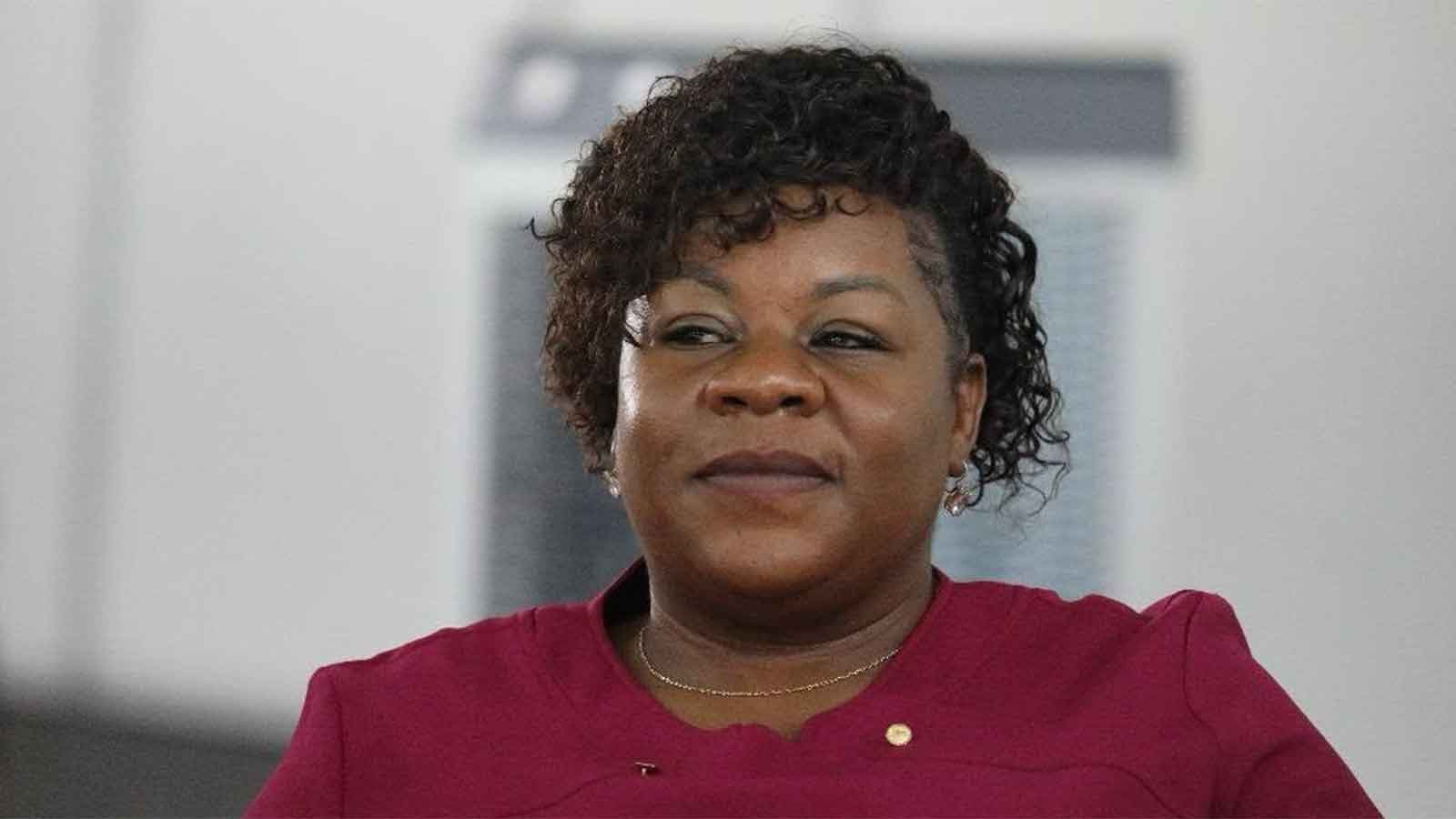
Lonster Mutata-Zimpapers Correspondent
INVESTORS along the Great Dyke have been challenged by the Government to move beyond mineral extraction and use their operations to build productive communities, viable local economies and lasting opportunities for surrounding rural populations.
This was said by Lands and Rural Development Deputy Minister Tsitsi Zhou while addressing the fifth Great Dyke Awards held in Insiza at the weekend.
She said the true measure of investment should not only be what is extracted from the ground, but what is built around it and what remains after the minerals are gone.
“The Great Dyke is well known for its mineral wealth, however, its long-term success will depend on how well its wealth is connected to the land, to the people and to the local economies around it,” said Deputy Minister Zhou.
She said under the Second Republic, land is no longer merely space on which development happens, but the foundation upon which development is organised, placing effective land administration at the heart of national transformation.
Deputy Minister Zhou said properly planned, surveyed and administered land provides the certainty required for agriculture, settlements, infrastructure, investment and business to flourish.
“Secure land tenure, accurate surveying, land-use planning, fair valuation, productive land use, and settlement and resettlement administration, therefore, become more than administrative functions — they are instruments of economic development,” she said.
Deputy Minister Zhou said the Great Dyke, which stretches for over 550 kilometres and hosts some of the country’s most significant platinum, chrome and nickel deposits, presents a unique convergence of competing and complementary land uses, where mines co-exist with farms, villages, roads, schools, water sources and businesses.
She said the Government’s objective is not to set mining against agriculture, or investment against communities, but to ensure that different activities operate together in a properly planned and responsible manner.
She said accurate surveys can establish clear boundaries, proper planning can reduce conflicts between different land uses, while effective administration can provide greater certainty to investors while protecting legitimate community interests.
Major investments should become engines of wider rural economic development, with farmers supplying food, transporters providing logistics, artisans providing services, and small businesses entering supply chains, Deputy Minister Zhou said.
“A mine, for instance, can create opportunities beyond direct employment. In that model, mineral investment becomes connected to the surrounding rural economy rather than operating as an isolated economic enclave,” she said.
Deputy Minister Zhou added that when investments eventually conclude, they should leave stronger communities, improved infrastructure, skilled people, viable businesses and new opportunities.
She said young people should become entrepreneurs, technicians, farmers and professionals capable of participating in emerging economic opportunities, noting that digital land information, geospatial technology and modern business systems are opening new possibilities. Deputy Minister Zhou emphasised that development must remain responsible and sustainable, with mining taking into account land rehabilitation, protection of productive agricultural land, environmental safeguards and proper land-use planning.
“The land being used today must continue to support the citizens and the economy tomorrow,” she said.
Traditional leaders, local authorities, mining companies, farmers, financial institutions and communities were rallied to work together to balance land rights, responsibilities and investment, urging the business community to strengthen local supply chains and respect lawful land-use processes.