


 Sundaymail Editor
Andrew Mangwarara
IN nature, plants often grow well alongside each other. Through natural selection, some plants thrive together while others hinder each other’s growth.
Smart gardeners can leverage these natural relationships to their advantage. This practice is known as companion planting. It involves planting two or more species together in the same area.
For edible plants like herbs, vegetables and fruits, good companion plants can significantly enhance yields. As an avid gardener, understanding and utilising these beneficial associations is key to successful greening efforts.
Legumes, for example, are excellent companions for a variety of vegetables, including carrots, beetroot, cauliflower, maize, celery, radish, cucurbits and potatoes.

Numerous combinations can be explored — the key is to experiment, keep what works and discard what does not.
One classic example is the pairing of tomatoes and basil. Basil acts as a natural insect repellent, deterring common tomato pests like aphids and whitefly.
In return, tomatoes provide shade and protection for the basil, allowing it to flourish. Furthermore, basil is known to enhance the flavour of tomatoes.
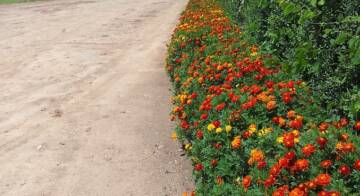
Marigolds are a top companion plant. Their strong fragrance repels numerous garden pests, including nematodes, aphids and rabbits. Plant marigolds near tomatoes, cucumbers and squash for effective pest control.
Maize and beans are another excellent combination. Maize provides sturdy support for climbing beans, while beans fix nitrogen in the soil, enriching it for both crops. This symbiotic relationship results in healthier plants and improved yields.
Carrots and onions also make great companions. Onions repel carrot flies. At the same time, carrots repel onion flies, offering mutual protection.
Garlic’s pungent smell helps repel rose aphids and Japanese beetles, making it a valuable addition to the garden.
Companion planting offers many benefits beyond pest and disease control. Certain plants repel pests or attract beneficial insects that prey on harmful bugs. Improved pollination is achieved by planting flowers that attract bees near vegetables or fruit trees.

Nutrient recycling is also enhanced.
Growing complementary species together optimises plant health and minimises the need for fertilisers.
Explore the world of companion planting and reap the rewards of these symbiotic relationships within the plant kingdom.
If you would like to be featured in our green-up campaign, contact us on the number above. Feedback: [email protected] or [email protected]



 Online Reporter