

 Online Reporter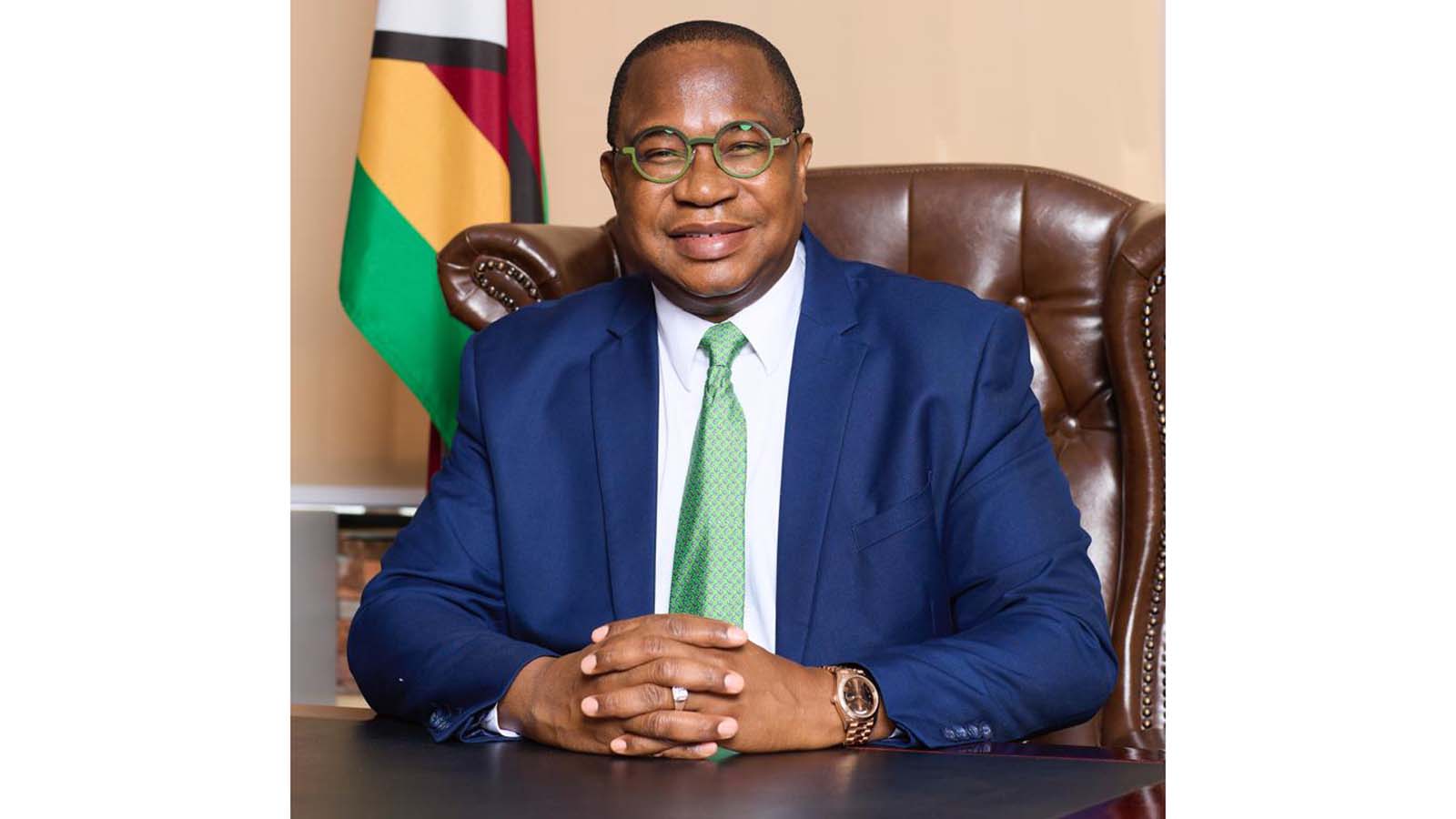
Oliver Kazunga
Senior Reporter
GOVERNMENT has launched Zimbabwe’s first provincial Special Economic Zone, signalling the start of a nationwide industrialisation drive designed to transform provinces into investment, manufacturing and export growth hubs.
This dovetails with President Mnangagwa’s recent proclamation that the country was entering a new era of economic competition, with the Government now expected to increasingly measure development through the Gross Domestic Product performance of individual provinces as the Second Republic accelerates the drive towards Vision 2030.
The President has challenged provinces to fully leverage their resource endowments and industrial capacities to drive economic transformation.
Speaking at the 2026 Mashonaland Central Provincial Investment Dialogue in Bindura last week, Finance, Economic Development and Investment Promotion Minister Professor Mthuli Ncube highlighted that the launch marks the transition from policy formulation to implementation of the newly-approved Integrated Provincial Special Economic Zones (IP-SEZs) Framework.
The framework seeks to accelerate industrialisation, investment promotion, beneficiation, export growth and job creation across the country’s provinces.
Prof Ncube said the framework was designed to harness the unique economic strengths of each province and convert them into competitive industrial ecosystems capable of driving sustainable economic growth.
“Cabinet recently approved the IP-SEZs Framework as a strategic instrument to accelerate industrialisation, investment promotion, beneficiation, export growth, employment creation, and balanced regional development in line with Vision 2030,” he said.
“The framework seeks to leverage the unique comparative advantages of each province and transform them into competitive industrial and investment hubs capable of driving sustainable economic growth and structural transformation.”
The initiative comes as the Government intensifies efforts to decentralise economic development and reduce regional disparities by creating production centres anchored on local resources and competitive advantages.
Prof Ncube said the Government had already entered the implementation phase of the programme.
“Government has now moved into the implementation phase of the IP-SEZs Framework, province by province, beginning with the operationalisation of provincial industrial ecosystems aligned to strategic economic sectors,” he said
“In this regard, I am pleased to announce that today marks a historic milestone as the Government launches the first Special Economic Zone in Mashonaland Central under the newly approved IP-SEZ Framework,” he said.
Economic analysts are on record commending the new thrust by the Government saying this represents a major shift from the traditional model where economic activity has largely been concentrated in major urban centres.
Under the framework, provinces will develop specialised industrial clusters linked to their dominant economic sectors, natural resource endowments and investment opportunities.
For Mashonaland Central, the strategy is expected to leverage the province’s strong agricultural base, growing mining sector and emerging energy opportunities.
According to official figures, Mashonaland Central contributed about 6,5 percent of Zimbabwe’s Gross Domestic Product in 2024, with agriculture accounting for 24,5 percent of provincial output, while manufacturing and mining contributed 10,2 percent and 10,1 percent respectively.
The province is also attracting growing investor interest following the discovery of oil and gas deposits in Muzarabani and Mbire districts, which the Government believes could unlock investments in petrochemicals, fertiliser manufacturing and related industrial value chains.
The launch of the first provincial SEZ comes against a backdrop of improving macroeconomic fundamentals.
Zimbabwe’s economy grew by 8,2 percent last year, while annual ZiG and United States dollar inflation stood at 4,4 percent and 2,8 percent, respectively, last month.
The country has also witnessed rising investor confidence, with approved investment licences increasing by 23 percent from 709 in 2024 to 875 last year, while domestic investment inflows climbed from US$596,7 million to US$964,9 million during the same period.
The Government expects the provincial SEZ programme to become a key pillar of Vision 2030 by stimulating value addition, boosting exports, creating jobs and attracting both domestic and foreign investment into productive sectors of the economy.
With the launch in Mashonaland Central, attention is now expected to shift to the rollout of similar industrial ecosystems across the country’s remaining provinces as the Government seeks to build a more diversified and regionally balanced economy.



