Online Reporter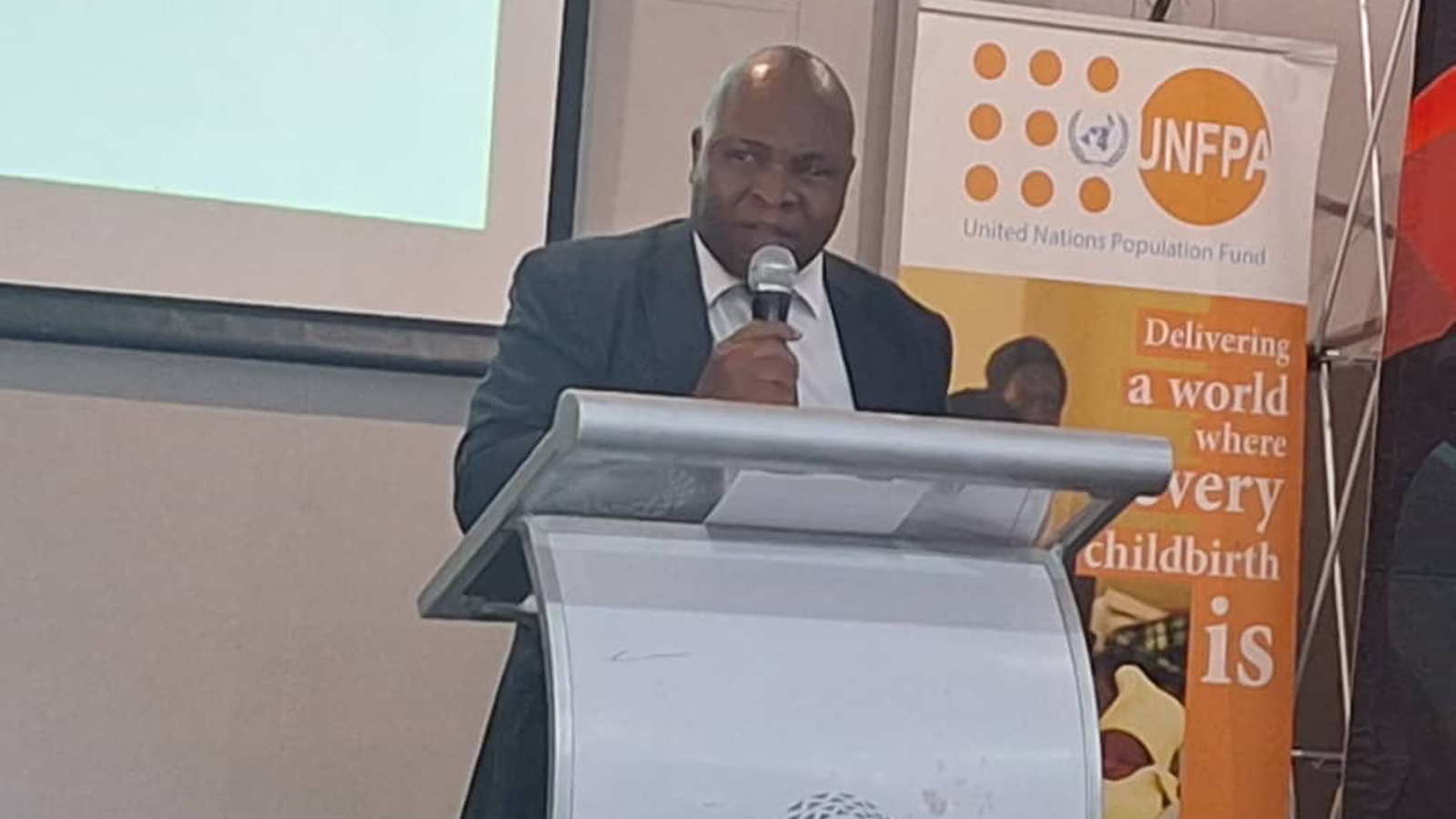
Muchaneta Chimuka
Herald Reporter
GOVERNMENT and the United Nations Population Fund (UNFPA) have joined hands to pave the roadmap for the 9th Country’s Developmental Programme of Cooperation (2027 – 2031).
Speaking at a two-day stakeholder engagement conference in Harare, which commenced on Monday chief director in the Ministry of Finance, Economic Development and Investment Promotion Mr Joseph Mverecha, who represented the ministry’s Permanent Secretary, Mr George Guvamatanga, described the event as a crucial step in preparing for UNFPA’s next country programmes, especially in tackling sexual and reproductive health rights issues (SRHR).
“This workshop is also taking place at an opportune time, when the National Development Strategy 2 (NDS 2) is being formulated, as the National Development Strategy 1 (NDS 1) concludes this year,” he said.
“This timing is perfect as it allows UNFPA’s next Country Programme to be aligned with NDS 2, ensuring maximum national relevance and impact.
“I am aware that UNFPA’s programmes strategically target young people below the age of 30, who constitute a remarkable 66 percent of our population, and women, who make up 52 percent.
“These population groups are central to our national development agenda as we strive to achieve our Vision of becoming a Prosperous and Empowered Upper Middle-Income Society by 2030.”
Mr Guvamatanga said the programme will generate confidence and ideas that will not only respond dynamically to Zimbabwe’s priorities but also deliver tangible and lasting results for our women, girls and young people.
“The partnership between Zimbabwe and UNFPA has continued over many years, anchored on core pillars such as sexual and reproductive health, gender equality, prevention of gender-based violence, and youth empowerment. We continue to appreciate the work that UNFPA is doing in the country. Over the past years, we have achieved milestones such as the 95-95-95 HIV targets,” he said.
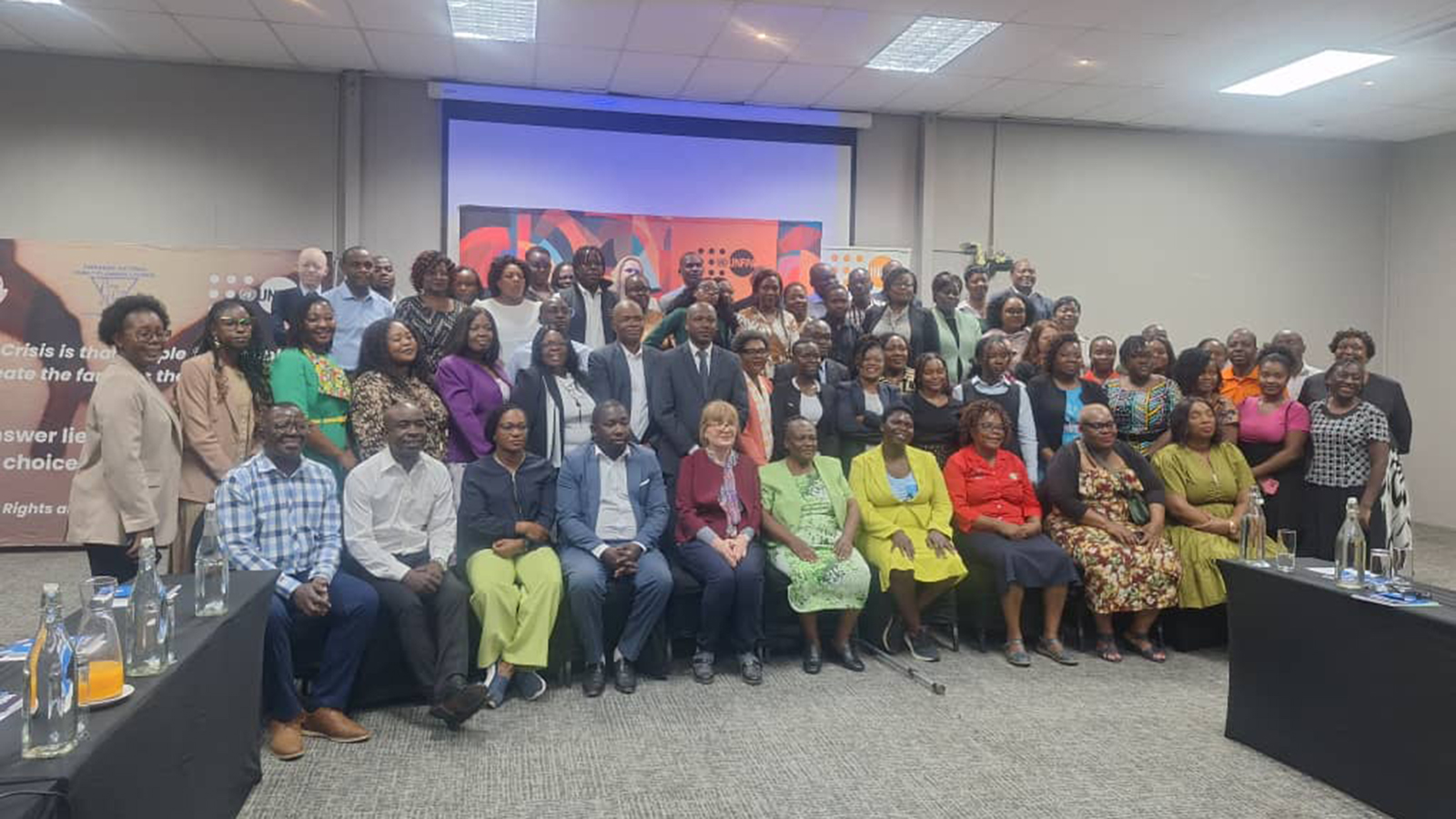
UNFPA Zimbabwe Deputy Representative, Mr Aboubakar Cisse highlighted some of the issues that were discussed, such as teenage pregnancy, child marriage, and youth unemployment, maternal health issues, drug abuse and mental health, among others, and he called for collective efforts among stakeholders to mitigate them.
“We need collective efforts to address these issues through robust research, policy alignment, and resource mobilisation. Together we can build the Zimbabwe we want,” he said.
The United Nations Resident Coordinator in Zimbabwe, Dr Edward Kallon, commended the partnership between UNFPA and the Government of Zimbabwe, noting that the Ninth Country Programme will align with both national and global development frameworks.
“Under the eighth programme, UNFPA has made significant contributions in advancing family planning, reducing maternal mortality, empowering youth, and improving access to sexual and reproductive health services,” he said.
“UNFPA has been instrumental in ensuring that people, particularly women and girls, have access to essential services.
“These empower individuals to make informed decisions regarding their reproductive health and childbearing preferences.”
He urged participants to ensure that the new programme continues to uphold UN principles of human rights, gender equality, inclusivity, and to address the needs of women, girls, and young people in ways that are sustainable and rights-based.
The workshop outcome will feed into the design of the Ninth Country Programme, which is expected to be presented to the UNFPA executive board in 2026.
The programme will prioritise evidence-based, inclusive, and context-responsive approaches to SRHR, gender equality, and population development in Zimbabwe.



 leeroy