Online Reporter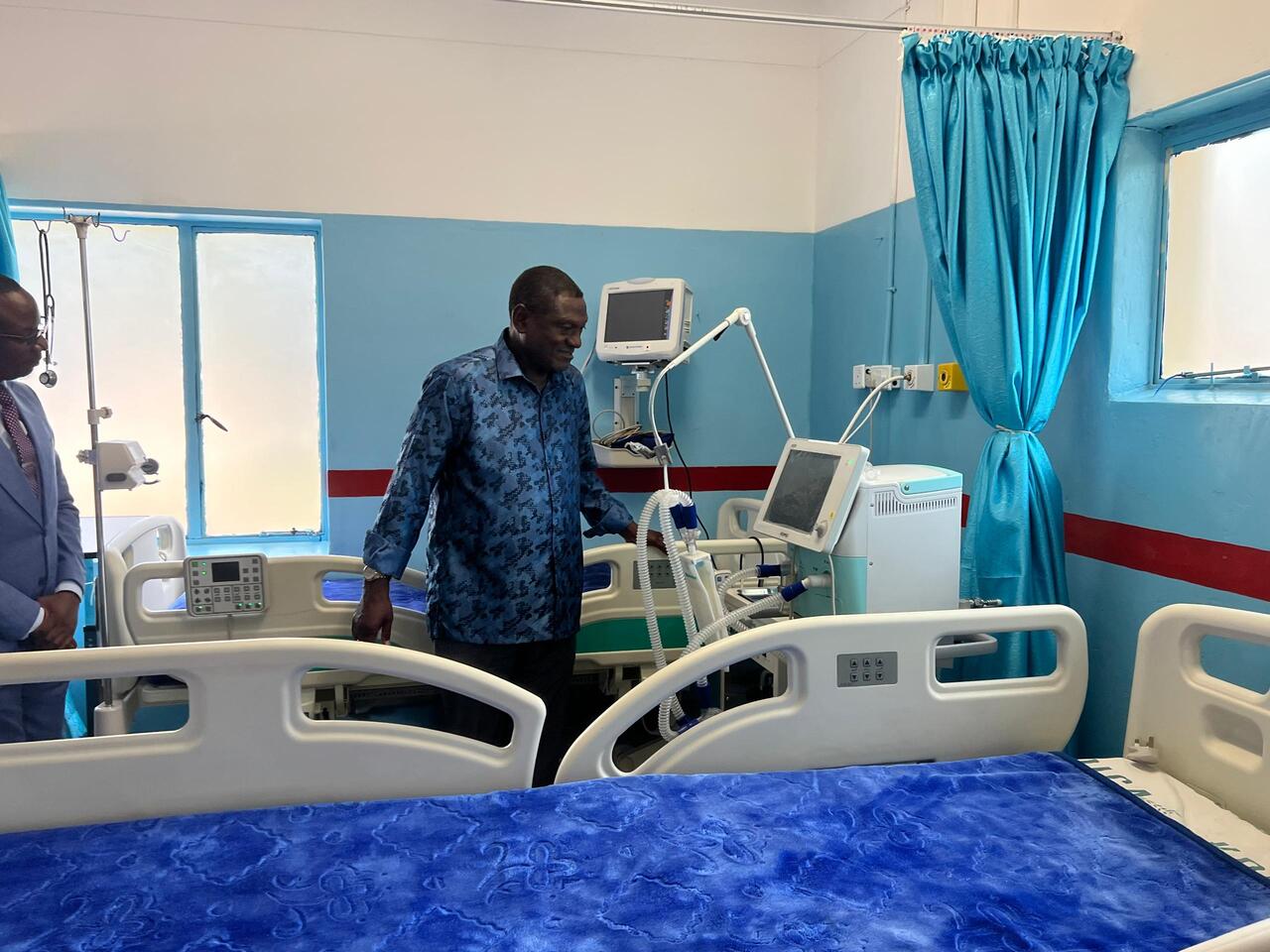
Sukulwenkosi Dube-Matutu [email protected]
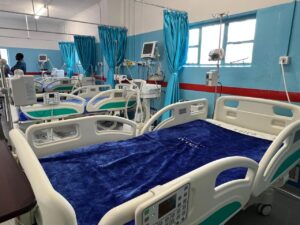
GWANDA Provincial Hospital has opened an Intensive Care Unit (ICU) and commissioned four dialysis machines, a development expected to significantly improve specialised healthcare services in Matabeleland South.
Minister of State for Matabeleland South Provincial Affairs and Devolution Albert Nguluvhe officially opened the ICU and commissioned the dialysis machines at the provincial referral hospital.
The development is expected to reduce the number of patients requiring referrals to Bulawayo for specialised treatment.
The hospital previously operated without an ICU, forcing critically ill patients requiring intensive care to be referred to Bulawayo.
It also had only one dialysis machine, limiting the number of renal patients who could access treatment at the institution.
The ICU project was initiated by Government during the Covid-19 pandemic but stalled following the end of the pandemic. The hospital administration later completed the project using its own funds.
The four dialysis machines were procured through a public-private partnership.
Minister Nguluvhe said the developments were a practical demonstration of the benefits of devolution and the National Development Strategy 2 (NDS2), which prioritises access to quality healthcare.
He commended the Ministry of Health and Child Care for prioritising Gwanda Provincial Hospital under its national health infrastructure upgrade programme.
Minister Nguluvhe also applauded the private sector for contributing to the development of the health sector.
Matabeleland South Provincial Medical Director Dr Andrew Muza said the establishment of the ICU and the expansion of the renal unit would improve the hospital’s capacity to provide specialised healthcare.
He said the hospital had been targeting four specialised services — ICU, dialysis, CT scan and echocardiography.
Dr Muza said the additional dialysis machines would allow the hospital to increase the number of patients receiving dialysis from about 10 to 50.
“Prior to this, the hospital was operating one dialysis machine which was donated to the institution about five years ago. This was limiting the number of clients we could offer dialysis services to only around 10. For years, we have not been taking any new clients,” he said.
Dr Muza said the old machine had become unreliable and was frequently breaking down, further affecting service delivery.
“The machine had become old and was constantly breaking down, which was affecting service delivery. A number of clients who needed the service were being turned away and travelling all the way to Bulawayo.
With the coming in of the new machines, we now have the capacity to increase the number of clients up to 50,” he said.