

 Vusumuzi Dube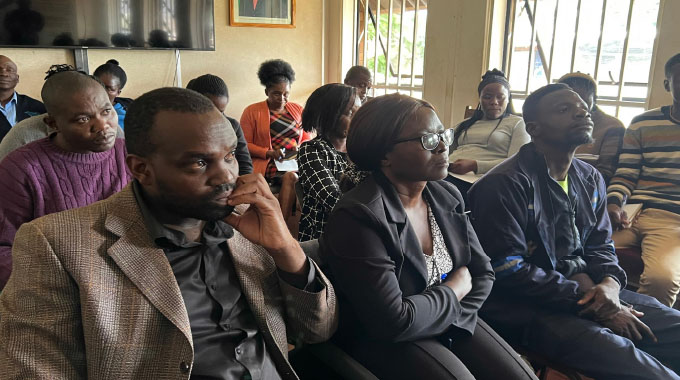
Sukulwenkosi Dube- Matutu, [email protected]
EDUCATING stakeholders on disability issues has been identified as a key strategy for promoting the inclusion of persons with disabilities, one of the major targets under the National Development Strategy 2 (NDS2).
Speaking during a disability inclusion and sign language workshop for Government ministries and departments in Gwanda, Nkomwa Foundation Trust (NFT) director Mr Pick Nkomwa said that while Government has put in place various policies and strategies to mainstream disability issues, educating both the private and public sectors remains essential for effective implementation.
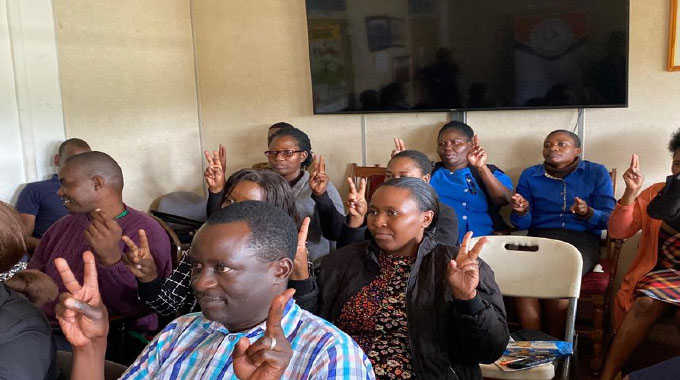
NFT, working in partnership with World Vision, rolled out the four-day training held under the theme “Inclusivity is the key”. Running from Tuesday to Friday, the programme aimed to equip frontline Government officials with practical knowledge and skills to enhance access to public services for persons with disabilities.
The intervention is expected to strengthen inclusive governance in Gwanda District.
National Development Strategy 2 (2026–2030) places disability inclusion at the centre of efforts to achieve an upper-middle-income society by 2030. Building on the foundational National Development Strategy 1, NDS2 seeks to move beyond policy recognition towards the systemic empowerment and integration of persons with disabilities in all sectors of society.
NDS2 ensures disability inclusion becomes a mainstream component of national development planning and budgeting rather than a secondary consideration.
Mr Nkomwa said the initiative reflects the organisation’s commitment to improving inclusive public service delivery by strengthening the capacity of key Government stakeholders.
“A number of policies have been implemented to promote inclusion of PWDs, but a number of challenges remain, such as slow implementation of policies, limited financial resources for specialised services and the need for improved access to education and justice. Limited knowledge of disability issues and lack of basic sign language skills can unintentionally exclude members of the deaf community and other persons with disabilities from critical government services, hence the need for targeted training.
“This initiative is part of our commitment to plough back to key stakeholders and strengthen inclusive service delivery across public institutions.
Persons with disabilities often face communication and attitudinal barriers when accessing public services,” he said.
Mr Nkomwa added that equipping officials with the necessary knowledge and practical competencies would help Gwanda District take an important step towards becoming more disability-inclusive and responsive to the needs of all citizens.
Once implemented, the training is expected to improve communication between public officials and persons with disabilities, enhance access to Government services, and contribute to a more inclusive and equitable society.
“During the training, participants will receive disability awareness orientation and introductory sign language training designed to help them better communicate with and serve members of the deaf community and other persons with disabilities.
“Topics that will be covered during the training include defining disability, types of disabilities, barriers faced by PWDs, disability legal framework in the country, among other issues. The programme will also include basic sign language training,” he said.
Government has taken significant steps to promote disability inclusion and empower persons with disabilities, shifting towards a rights-based approach aligned with the UN Convention on the Rights of Persons with Disabilities (UNCRPD), ratified in 2013.
Among the key measures is the National Disability Policy (2021), launched by President Mnangagwa. The policy serves as an overarching framework to reduce inequality, eliminate discrimination, and promote disability inclusion across public, private and development sectors.
Government has also enacted the Persons with Disabilities Act (2025), replacing the outdated 1992 Disabled Persons Act. The new law strengthens legal protections for persons with disabilities, provides for reasonable accommodation, and establishes a Disability Fund.
In addition, Government has distributed vehicles, wheelchairs and assistive devices to young people with disabilities to support mobility and entrepreneurship.
The Constitution provides for the appointment of two Senators representing persons with disabilities, while efforts are underway to increase employment opportunities for persons with disabilities in the public sector.
Government ministries have created departments dedicated to gender mainstreaming, inclusivity and wellness, serving as focal points for disability inclusion.
Local authorities are also being supported to ensure that new public infrastructure designs and by-laws accommodate persons with disabilities, including the incorporation of ramps and other accessibility features.
Furthermore, the National Assistive Technology Strategy has been launched to expand access to assistive devices such as hearing aids and wheelchairs.
@DubeMatutu


 Mathew Masinge
 Online Reporter