Chronicle Editor
Sukulwenkosi Dube-Matutu, [email protected]
GWANDA District has strengthened its Disaster Risk Reduction (DRR) structures at community level as part of efforts to review its district’s DRR plan.
The district has DRR committees at ward and village level which play a crucial role in mitigating, identifying and reporting disasters that occur within communities.
Stakeholders from the district have engaged in the process of reviewing the district’s DRR plan which will help the district remain abreast with possible disasters and plan accordingly to minimise their effects.
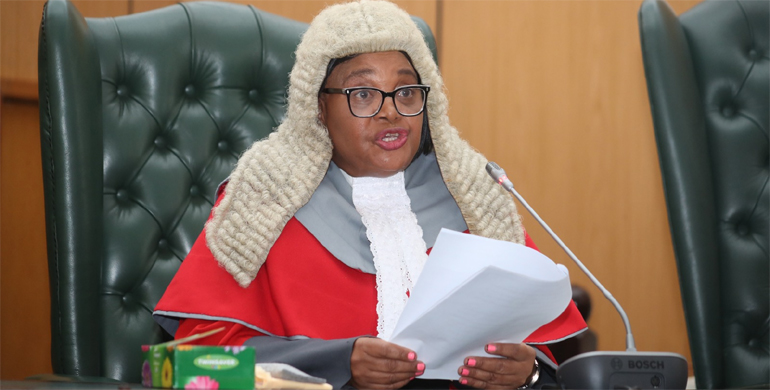
In an interview, Gwanda District Development Co-ordinator, Ms Nomathemba Ndlovu said DRR committees play a crucial role in disaster risk reduction.
“We are in the process of reviewing our DRR plan which is a crucial instrument that will help prevent, identify as well as handle disasters and their effects. While we are in the process of reviewing the plan, we have also engaged our DRR committees at village and ward level. We continue to capacitate our committees through trainings and capacitation programmes.
“As a District Civil Protection Committee, we can’t be present on the ground at all times hence the DRR committees play a crucial role in preventing, identifying and reporting disasters. They educate community members, identify possible disaster threats, make referrals and report disasters. We have also engaged the DRR committee members to make sure that they are visible within their communities,” she said.
Ms Ndlovu said the district DRR plan is being updated for it to be in line with the prevailing disasters which have changed over the years as a result of climate change.
She said the DRR plan also has to be aligned with the National Development Strategy 1 (NDS1) and latest statistics such as demographics and ward boundaries.
The DRR plan contains the district profile, hazards, vulnerability, capacity assessment and contingency plan.
“The DRR plan that we were using dates back to 2018 and we are now in the process of reviewing it using a template that we got from the Department of Civil Protection. Once we come up with the plan, we will review it annually as that is what we are supposed to do,” she said.
Ms Ndlovu said having an updated disaster risk reduction plan would help the District Civil Protection Committee to come up with a resource matrix to identify gaps and strengths. She said this would inform the resource mobilisation process.
Ms Ndlovu said once the possible disasters have been identified, the district can engage relevant stakeholders in preparation for timeous and effective response.
She said the DRR plan also speaks to the adaptive measures that communities have to take in case of disasters adding that this helps prepare communities in case of disasters and empowers them to mitigate the disasters.
Ms Ndlovu said some disasters can be mitigated and prevented at community level.
The identified priority sectors impacted by disasters include agriculture (crop and livestock), social services (health), WASH, education, mining, environment and infrastructure.
Identified hazards include shortage of water, climate stressors, epidemics and diseases, livestock diseases, drugs and substance abuse, land degradation, road traffic accidents and mine accidents. -@DubeMatutu



 Online Reporter