


 Bongani Ndlovu
Patrick Chitumba, Midlands Bureau
THE Midlands capital, Gweru, has undergone a profound transformation over the years, reshaping not only its physical landscape but also the identity of its community.
Once defined by elegance and order, the city now reflects a blend of modern development and fading heritage. Old businesses have given way to new ventures, ushering in a different rhythm and character.
Iconic establishments such as Blantyre, Morah and Company and Patels Supermarket, once symbols of sophistication, have since been converted into shopping malls. Lilian Fashions, a favourite for stylish clothing, has also disappeared, replaced by newer retail outlets. Meikles, a departmental store which once catered to the city’s elite, has transformed into a supermarket.
The Gweru Theatre, formerly the heartbeat of cultural life, now stands as a shadow of its former self. The red carpets have been replaced by plain concrete floors and folding chairs have given way to plastic seating. Once a vibrant hub for performances and entertainment, it now serves as a stark reminder of the city’s rich but fading cultural heritage.
Social spaces have not been spared. The Civic Centre, once a popular venue for weddings and photography, has lost its former charm. Its manicured lawns, once alive with picnics and celebrations, are now a distant memory.
Entertainment venues such as Cathedral Hall, Mtapa Hall and Mkoba Hall, which hosted music shows, fashion events and weddings, have largely fallen silent. Mtapa Hall, notable for hosting the first Zanu congress in 1963, has since been declared a National Monument.
The city’s sporting landscape has also shifted. Clubs like Zimbabwe Omnibus, Gweru United, Chapungu and Tongogara, once prominent in the Premier Soccer League, have faded into history. In their place, teams such as TelOne and Sheasham FC are now carrying the city’s football legacy forward.
Gweru City Council used to maintain recreational parks with beautiful lawns and flowers. From Clonsilla into the central business district, there was a beautiful green on both sides of the road.
All the roundabouts had lush green lawns. In high-density areas, the parks are being turned into fill-up stands. Children now play on roads, putting themselves at risk of being involved in motor vehicle accidents.
The city’s transportation system has also taken a hit. Zimbabwe Omnibus Company, which rebranded to Zupco, used to have strict timetables and routes, with proper pick-up and drop-off points. Now, mushikashika and unregistered kombis pick and drop passengers anywhere, often disregarding traffic rules.
The city’s roads are also in a sorry state, with potholes everywhere. What’s puzzling is that the material used to rehabilitate roads doesn’t last long. A good example is Senga Road along Chaplin High School, which was rehabilitated two years ago and is now back to its original state.
However, Gweru’s transformation is a testament to the city’s resilience and adaptability. As one resident put it, “Gweru has changed, but it is still home.” The city is embracing the new, while holding onto its rich heritage.
Amid the changes, a few landmarks endure. For example, Dutch Oven bakery remains a constant, still serving its beloved confectionary to generations of residents.
As Gweru City continues to evolve, 88-year-old Mr Alonso Mwale reflects on the changes that have shaped the city he calls home.
Mr Mwale, a resident of Mtapa suburb, said the city has undergone significant transformation since he arrived in 1978.
“The city was perfect when we were growing up. Everything seemed inviting. There was something intriguing about every single street or building in the city. It was complete and it was perfect,” he reminisced.
However, Mr Mwale noted that the city’s evolution has brought about both gains and losses.
“Little by little, bit by bit, things changed. Some spaces got filled up, others emptied. Things we assumed were permanent just disappeared and were replaced by bigger, newer, less familiar things,” he said.
Despite the changes, Mr Mwale believes it is possible to adapt and appreciate the new city.
“The new city, despite its losses, has its gains and it’s possible to love something new in a different way,” he said.
Gweru City Council spokesperson Ms Vimbai Chingwaramusee said one of the local authority’s sentiments is to transition from a state of longing for the old borough to appreciating current reality.
“Indeed, we all look back at that old Gweru, but it has been affected by growth and positive change,” she said.

Ms Chingwaramusee said GCC’s vision is to become “A people-centred and globally competitive smart city by 2030”.
Bearing that in mind, she said they are working to improve the city’s image by renovating the buildings.
“We have already written to the owners of the buildings in the CBD to renovate and refurbish their buildings to ensure we are globally competitive. Our building inspections team is on the ground to communicate with the building owners,” she said.
Ms Chingwaramusee noted that GCC is working on City Park to restore its former glory, adding that they have also budgeted for the renovation of Gweru Theatre.
“We keep on pushing to improve our image,” she said.
Turning to the state of the roads, she indicated that GCC is working to improve them and has managed to resurface some of the roads, such as Igonte and Chidanana roads.
“When it comes to city greening, I am sure as you drive along the highways, you will see how we have improved,” she said.

Gweru Residents Trust acting chairman Mr Obvious Gonamombe said they believe the time has come for the GCC to take deliberate steps to restore the pride that once defined the “City of Progress.”
He said restoring the city does not always require grand projects adding that sometimes it begins with the consistent maintenance of what already exists.
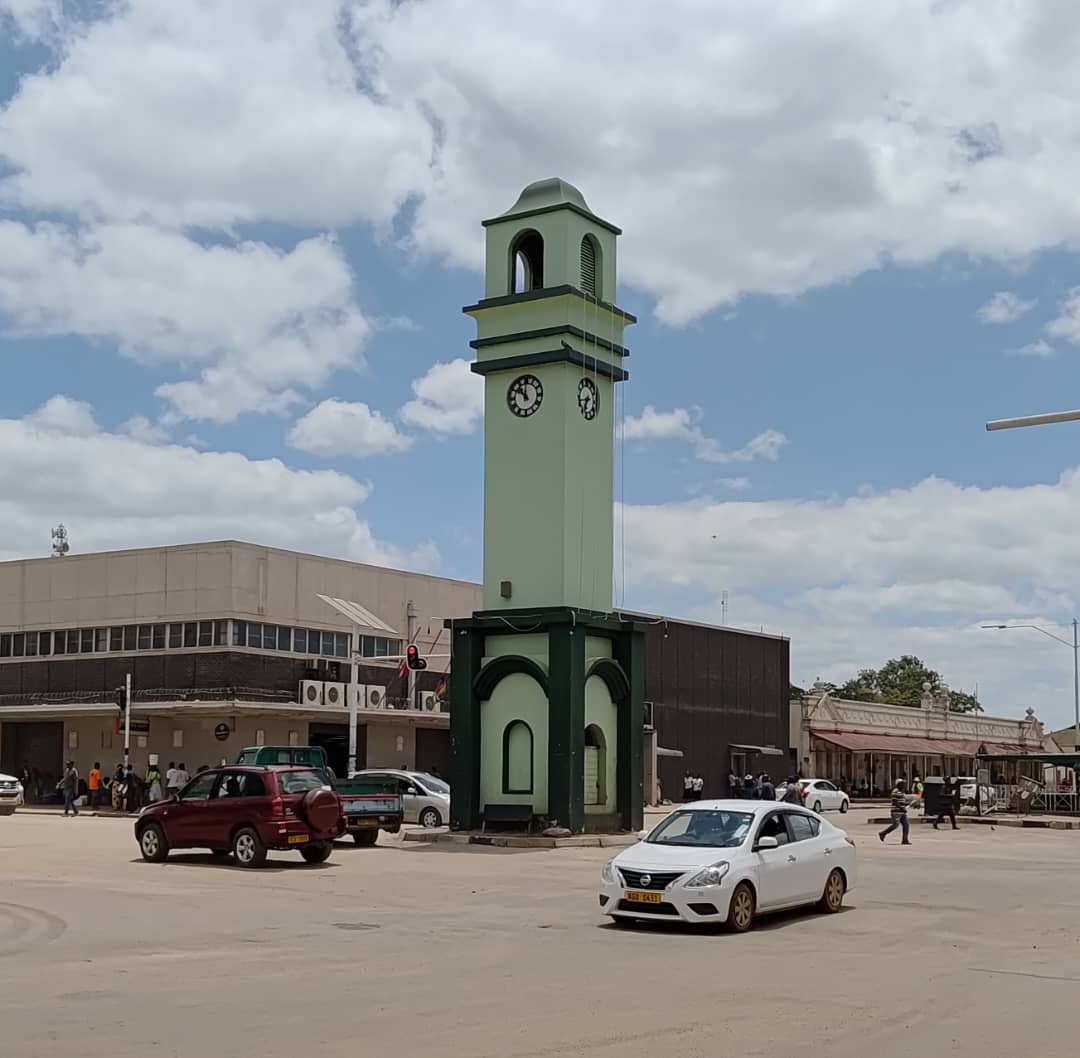
“Simple but meaningful actions can make a visible difference. Iconic landmarks such as the Buggie Clock in the city centre must be properly maintained and preserved as part of our urban heritage. Roads within the central business district should be rehabilitated using durable materials that ensure longevity. Drainage systems must be improved so that heavy rains do not continue to expose the city’s structural weaknesses,” he said.
Above all, Mr Gonamombe said residents want to see the return of the beauty and scenery that once made Gweru stand out among Zimbabwe’s cities.
“The clean streets, well-maintained roundabouts, green spaces and functional infrastructure were once sources of pride for the community.
“Gweru remains a place of history, resilience and opportunity. But restoring the glory of the City of Progress will require commitment, accountability and a renewed focus on service delivery,” said Mr Gonamombe.


 Online Reporter