Online Reporter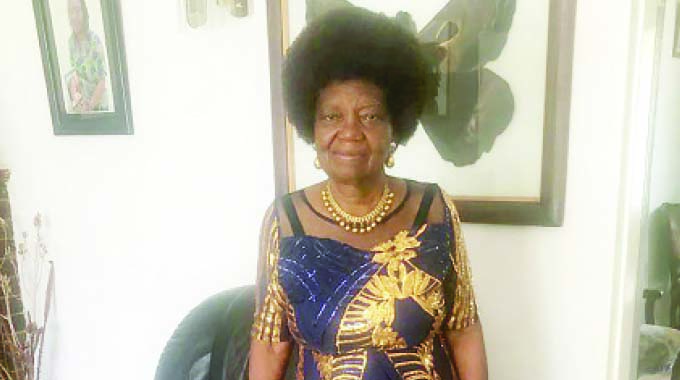
Bruce Ndlovu, Sunday Life Reporter
IN the eighth book in a career that continues to blossom even in her later years, author Erica Gwetai believes she has found a level of bravery that she just was not able to attain in any of her prior offerings.
Gwetai’s new book, a short story collection titled Living Memories, casts an eye on various contemporary issues such as the impact of migration and the consequences of the trek to the diaspora, bullying in schools, and the psychology of human behaviour, while also highlighting the conflict between modern and traditional ways of communication.
As the title of the book suggests, the book is a journey through the memories of an author who has seen and done it all.
In an interview with Sunday Life, Gwetai said in this collection, she had found the courage to unflinchingly examine Zimbabwean society, both its strengths and weaknesses.
“This book is different because in this one, I was brave enough to say things I couldn’t speak about in the other ones.
In this book, I detailed ills perpetrated by people in various walks of life, lecturers to staffing officers in major organisations or departments. I touched on bullying, which I discovered is prevalent even among teachers themselves. There were several issues that I felt needed to be addressed, so that people who are often overlooked can have a voice through my work. So, I think this is what differentiates this book from all the other work I have done. I was brave,” she said.
As she reflected on life as she grew older, Gwetai, the mother of the late great author Yvonne Vera, said she was moved by the great changes she had seen Zimbabwean society undergo over the last four decades.
“I was inspired to write this book just by the mere fact that life is now different. I aimed to educate people because even in this century, there are still some myths that people believe in. I, for example, believe in poisoning. If you’re poisoned, you’ll die, but there are some supernatural myths that people believe in. For example, some people believe that if you’re struck by lightning, it is due to witchcraft. That also applies to some illnesses as well. In my book, that is something that I touched on in one story,” she said.
Although she started writing the book last year, Gwetai said putting together the short-story collection had been a painstaking process, as she had started its conception in her mind before she put pen to paper.
“I started writing this book in December of last year, but the process had begun earlier than that. I take my time before I start working on any new book. Writing and thinking are two different things, and before writing, you need to think about what you’re going to put down on paper,” she said.
In an era in which reading is said to be a dying culture by some, Gwetai said her latest collection was only the product of her voracious reading appetite.
“You also need to read other people’s work. You can’t be a good writer if you don’t read other people’s work. I may have started writing the book last year, but the work had already begun. Wherever I am, I am always writing, observing, and registering things in my brain,” she said.