Online Reporter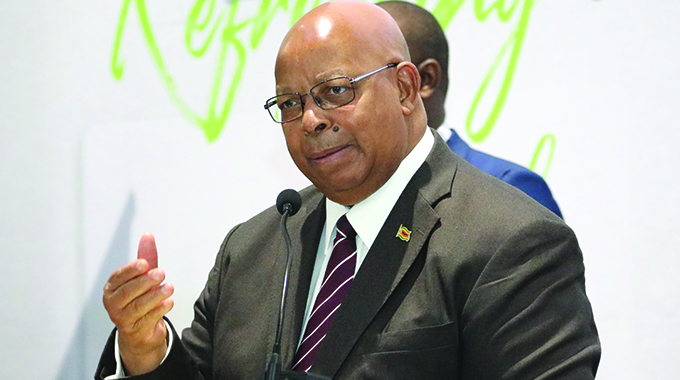
Sikhulekelani Moyo, Sunday News Reporter
MEMBERS of Parliament (MPs) have been tasked with demanding unwavering standards on value-for-money across ministries, departments and agencies (MDAs) under their oversight, recognising these as vital pillars supporting the country’s development agenda.
The Speaker of Parliament, Advocate Jacob Mudenda, made these remarks while officiating at the two-day capacity-building workshop on Budget analysis for Portfolio Committees on Industry and Commerce, Mines and Mining Development, Transport and Infrastructural Development, and Foreign Affairs and International Trade in Bulawayo yesterday.
Adv Mudenda described the four committees as vigilant sentinels over sectors critical to the nation’s prosperity, wielding the powers of budget approval and fiscal oversight.
“These are key committees because without infrastructure, we cannot service goods and services for the people. It is therefore important that we have infrastructure that is adequate to move people around and goods, and services.
“Mining is a critical sector in our economy; it is therefore important that critical minerals are processed within Zimbabwe through beneficiation and value-addition so that we get maximum returns and investments.”
On Industry and Commerce, Adv Mudenda emphasised the need to increase capacity utilisation for the manufacturing sector to about 75 to 80 percent, stressing the importance of value-adding raw materials available in the country into finished goods for export.
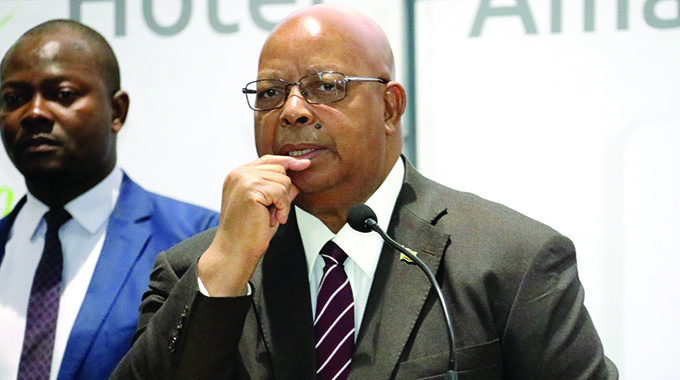
He further urged the Foreign Affairs and International Trade Portfolio Committee to ensure ambassadors shift from political representation to economic representation, enhancing trade between Zimbabwe and countries where the nation has diplomatic presence.
“It is important that the committee on Foreign Affairs and International Trade embraces economic diplomacy, which it must follow in terms of what exactly we are achieving through the diplomats of our ambassadors overseas,” he added.
Adv Mudenda noted that previously, budget analysis was often done by others, leaving Parliamentarians as mere spectators in decisions that directly affect their constituents.
“Today, you begin the process of becoming the lion that writes its own story through the mastery of rigorous Budget analysis,” he said.
“When you become competent in Budget analysis, you graduate from being captive recipients of Budget presentations into diligent watchdogs of public resources.
“Proficiency in Budget analysis demands a comprehensive understanding of the Public Finance Management (PFM) framework.”
He explained that the PFM system is grounded in strong legal and institutional foundations covering all stages of the Budget process,from planning and preparation, approval, implementation, expenditure, to monitoring and evaluation, placing fiscal oversight at its core.
Adv Mudenda emphasised that Parliament’s role in Budget oversight is a constitutional mandate, not merely political convenience or executive benevolence.
“The Constitution does not just permit you to scrutinise public expenditure. It commands you to do so because you must ensure that public resources are expended on programmes designed to improve the livelihoods of the citizenry with the greatest equity,” he said.
He urged the committees to follow up on initiatives under their oversight, including sustainable mining, re-industrialisation, infrastructure development, and outcomes from diplomatic missions abroad.
In an interview, Transport and Infrastructural Development Portfolio Committee chairperson Tawanda Karikoga described the workshop as critical in empowering MPs with knowledge on Budget preparation and analysis.
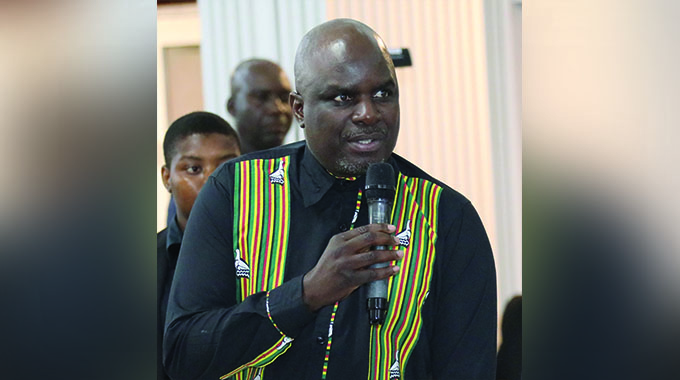
“Soon we will be sitting for the 2026 National Budget, so this is critical to ensure that our MPs are equipped with knowledge, and what is happening is the oversight role that we give to the executive is of importance, and our members are being reminded of that oversight role,” said Karikoga.
Industry and Commerce Portfolio Committee chairperson Clemence Chiduwa said the workshop helps MPs understand the Budget process as a planning tool that translates the people’s aspirations into the country’s development agenda.
“As MPs we have been equipped with tools to understand revenue measures that will balance what we want to achieve as a country ensuring that businesses continue to thrive,” said Chiduwa.
In her remarks, Bulawayo Provincial Affairs and Devolution Minister Judith Ncube commended Parliament for choosing Bulawayo as the workshop venue, saying it provides the city an opportunity to lobby for domestic and foreign investment.
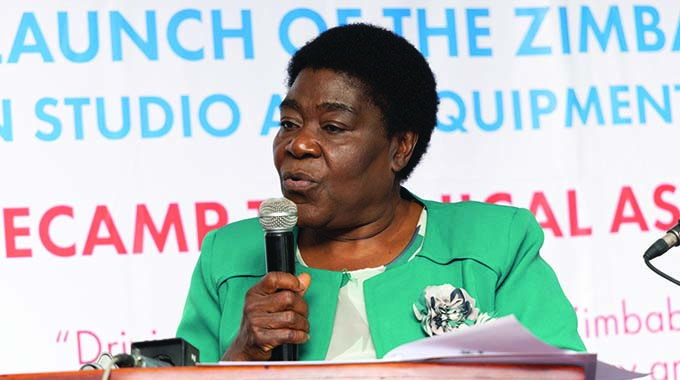
“The province is widely and richly endowed apart from being naturally and strategically located,” said Minister Ncube.
“It is a strategic hub with effective connectivity to South Africa, Botswana, Harare, Victoria Falls, through to Zambia.”