Online Reporter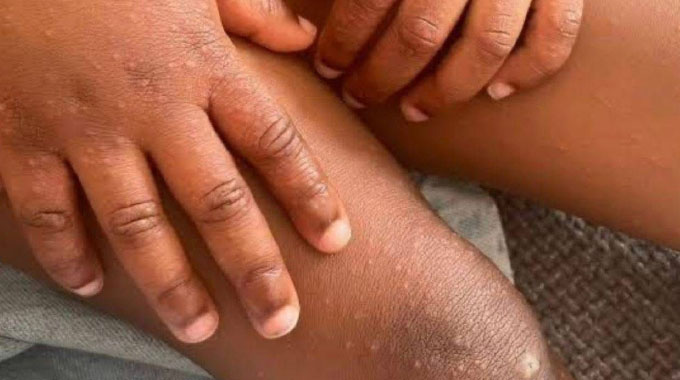
Elizabeth Sitotombe, Correspondent
When WhatsApp messages and Facebook posts began circulating among parents earlier this month, “rash on hands and feet,” “blisters in the mouth,” “kids not eating”, many were unsure what was causing the symptoms. Reports emerged from Harare, Bulawayo, Gweru, Mutare and Kadoma and health officials now believe Zimbabwe may be experiencing a wider outbreak of Hand, Foot and Mouth Disease (HFMD) than previously recognised. HFMD is a viral illness that spreads easily in overcrowded classrooms and during close contact among young children.
Interviews with doctors, parents, and early childhood development (ECD) teachers revealed that HFMD had already begun moving quietly through communities long before it appeared on social media. Bulawayo was the first city to publicly acknowledge the spike, but clinicians in other provinces now say they were seeing cases weeks earlier.
A paediatrician speaking on condition of anonymity described what he observed at his private practice:
“We saw an unusual spike in toddlers with mouth ulcers and rashes around late September. At first we thought it was teething, allergies or normal viral rashes. But suddenly every second child had the same pattern. That’s when we recognised the trend.”
How HFMD spread undetected
Without a central reporting system or laboratory confirmation, the virus moved unnoticed from city to city. It travelled through school bags, shared toys, playground equipment and crowded early learning centres. In low-income areas, ECD centres operate far above capacity. With limited toys, utensils and teaching materials, children often share everything, including cups, bowls or spoons.
One ECD teacher described the challenge:
“The children play together, hug each other, share everything. We clean what we can, but the numbers make it hard. When the first child got sick, we didn’t know what it was. Two days later, six more had similar symptoms.”
In higher-income areas, parents initially dismissed symptoms as heat rash or stomach flu.
Playdates, music classes and church nurseries became unintentional transmission hubs before anyone noticed the characteristic blisters.
HFMD is especially difficult to control because a child becomes infectious before symptoms appear. Dr Misheck Ruwende, a Harare-based medical practitioner, explained:
“By the time parents notice blisters, the child has already been infectious for days. That means any pre-school, church nursery or playgroup they attended is already exposed.”
This silent transmission allowed the virus to move quickly from suburb to suburb, largely unnoticed until parents began comparing symptoms online.
Many parents reported receiving conflicting information from health facilities. Zimbabwe has no formal HFMD data system, and many clinics lack printed guidelines.
One mother visited three clinics in two days.
The first told her the rash was likely an allergy.
The second suspected HFMD and recommended calamine lotion.
The third advised her to avoid calamine entirely.
This inconsistency fuelled confusion, and misinformation spread rapidly on social media. Some parents suggested antibiotics or herbal steaming, measures that do not treat HFMD, which is viral and usually resolves on its own.
Why the outbreak
spread quickly
Health experts cite three primary factors behind the rapid spread.
Lack of disease tracking
Zimbabwe’s surveillance system focuses on notifiable diseases. HFMD is not tracked, meaning health authorities receive no early alerts.
Overcrowding in crèches
and ECD Centres
Rising demand for early childhood education has led to packed classrooms that make hygiene and distancing nearly impossible.
Low public awareness
Many parents assumed early symptoms were flu, teething or minor allergies. By the time HFMD was suspected, the affected children had already exposed others.
Recognising HFMD
The illness usually begins with fever, loss of appetite, fatigue or irritability.
This is followed by small red spots or blisters on the hands, feet and buttocks, painful mouth ulcers, making eating and drinking difficult.
Parents should monitor the child, ensure good fluid intake, and seek medical care if symptoms worsen or do not improve within a few days.
How to prevent transmission
HFMD is usually mild and most children recover within a week. However, preventing spread is essential. Health experts recommend keeping sick children at home until all blisters have healed as well as disinfecting toys, surfaces and shared items regularly.
Health experts also encourage frequent handwashing with soap, avoiding sharing cups, utensils or towels, ensuring crèche staff are trained to recognise early symptoms as well as reducing overcrowding in classrooms where possible.
Public health specialists also emphasise the need for clear national guidelines for parents, teachers and caregivers to ensure consistent information across clinics and communities.
As Zimbabwe continues to navigate the outbreak, awareness and early action remain key to protecting children, at home, in schools and across the country. – The Patriot