

 Online Reporter
Peter Tanyanyiwa
Herald Correspondent
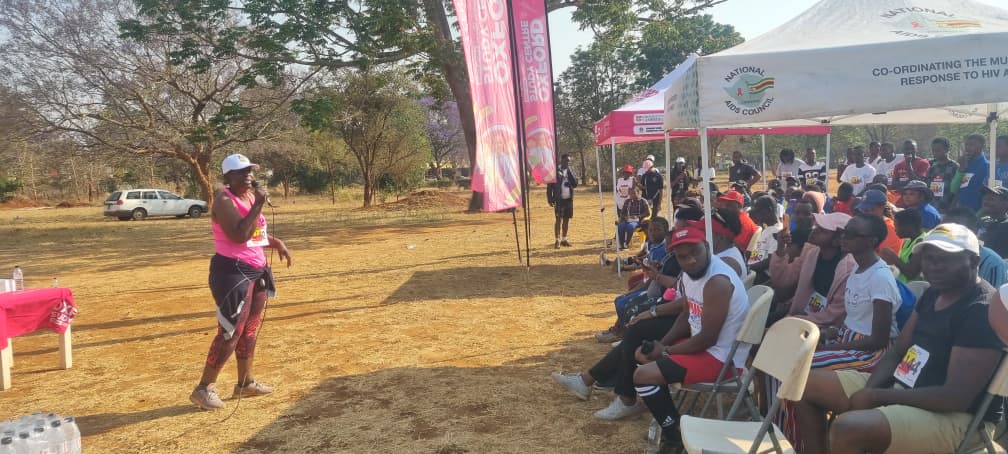
IN a display of community solidarity, Harare’s Ward 41 and Ward 16 councillors joined forces on Saturday to lead a Family Fun Run aimed at raising awareness about the twin crises of substance abuse and suicide among youths.
Participants ran 5km and 10km from Mabelreign to Marlborough before convening at Civic Centre grounds for the prize-giving ceremony and messages on anti-drug and substance abuse campaign.
The event, which drew participants from across the city, comes amid mounting evidence that drug abuse is spiraling out of control in the capital and across the nation.
Recent surveys paint a grim picture: 79 percent of Zimbabweans say drug and substance abuse is widespread in their communities, with Harare topping the list at 97 percent . Drug abuse now accounts for 60 percent of psychiatric admissions in Zimbabwe, with 80
percent of these involving young people aged 16-25. The most commonly abused substances include methamphetamine (mutoriro), codeine-based cough syrups, marijuana, and prescription drugs.
Ward 41 Councillor Kudzai Kadzombe said Harare communities are faced with a scourge in their midst.
“The rise in suicides is directly linked to substance abuse, and the high unemployment rate is driving our youth into the hands of drug dealers. We need a national commitment to stiffer penalties and stronger border controls, because these drugs are not made in Zimbabwe—they are coming through our borders,” said Cllr Kadzombe.
Zimbabwe’s suicide rate has increased by 96.2 percent since 1990, the highest rise globally, and experts warn that substance abuse is a major contributing factor.
“We are wiping out a whole generation,” Kadzombe warned.
“If you walk through civic centres, you see young people with puffed-up faces and lost eyes. They have no souls anymore because of drug abuse.”
Ward 16 Councillor Denford Ngadziore highlighted the scale of the crisis: “If you go around Mabelreign, you see young people—some of them graduates—gathered in corners, idle and hopeless. We see empty bottles and drug packets everywhere. This is a national
emergency, and we need to expose and eliminate drug suppliers, regardless of their status.”
The councillors have implemented a range of community interventions, including partnerships with local organizations like Pamumvuri Private Voluntary Organisation for rehabilitation, and the training of 200 community leaders to provide support and crisis
response.
“We can not be everywhere at once, so we have empowered our community to respond to drug abuse and its effects,” said Kadzombe.
The government has responded with the National Drug Master Plan and the Multi-Sectoral Drug and Substance Abuse Plan (2024–2030), but local leaders say more must be done to enforce laws and close porous borders that allow drugs to flood into the country.
As Zimbabwe grapples with a youth unemployment crisis and a lack of recreational opportunities, community-driven events like the Family Fun Run offer a glimmer of hope.
“We need to keep reminding ourselves and our leaders that this is a fight for our future,” said Ngadziore. “We must act now, or risk losing another generation.”


 Bongani Ndlovu