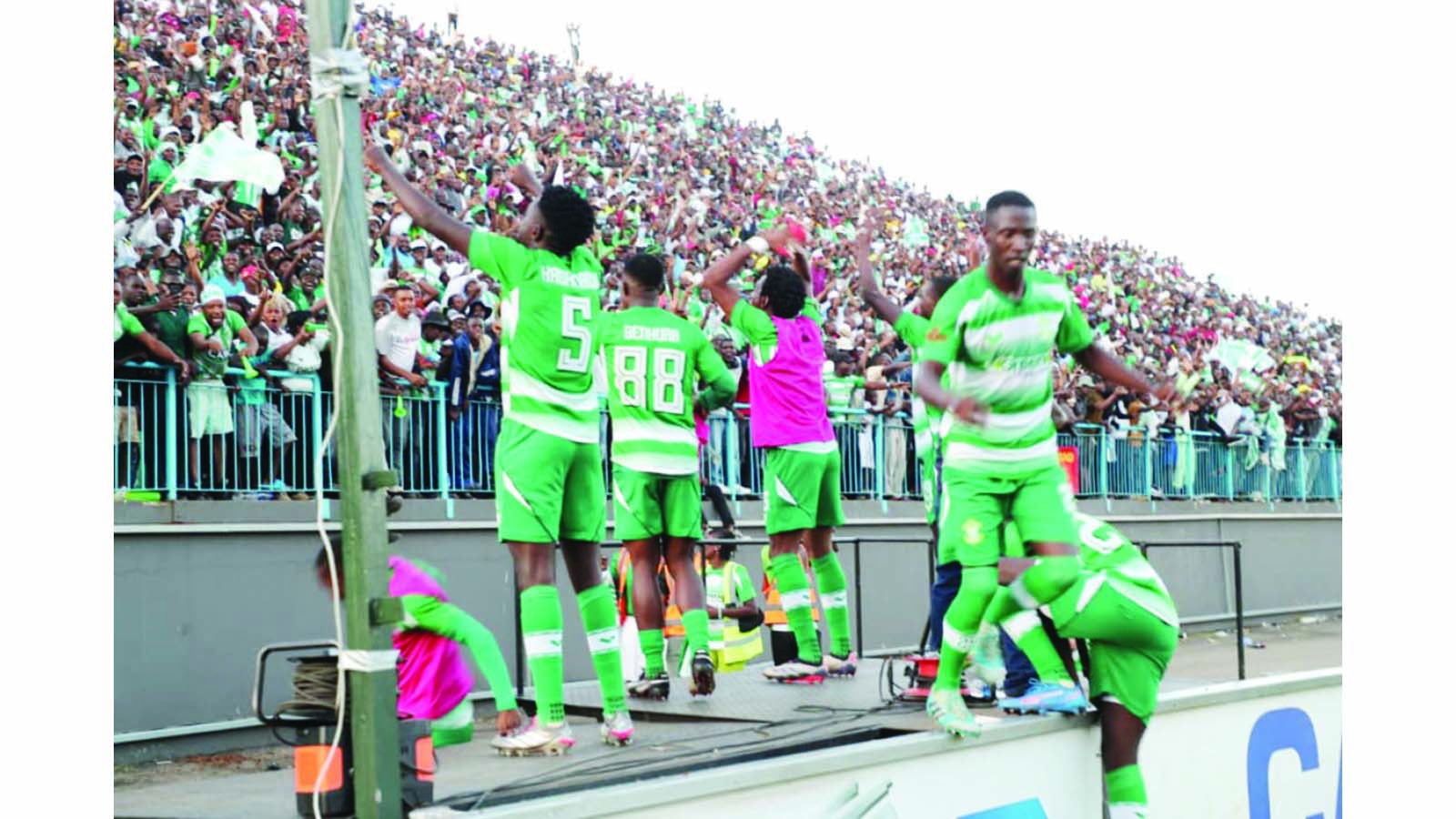
Caps United needed an injury-time goal, from the penalty spot, to secure maximum points from a fiercely contest Harare Derby at Rufaro Stadium on Sunday to reclaim pole position on the PSL log standings.
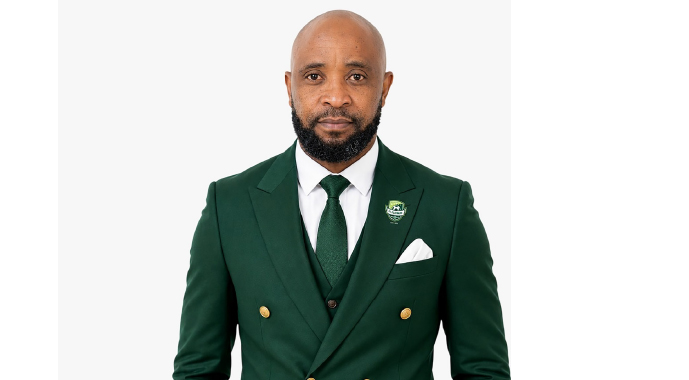
The 2-1 victory marked a winning start to the Harare derby as a coach for Caps United coach, Takesure Chiragwi.
For Dynamos, it seemed all focus was on the bus promised by Harare businessman, Wicknell Chivayo in the event that they won the match on Sunday.
But away from the bus, Sunday’s big Harare Derby was a timely reminder that local football is alive when the heavyweights are doing well.
The Premier Soccer League yesterday issued a statement thanking stakeholders for making local football of interest again, highlighting that more than 25 000 people paid to watch the Harare Derby.
“More than 25,000 paying fans created an incredible atmosphere, once again demonstrating the power, passion and unity of our football family.
“We also extend our gratitude to our valued partners for their continued support of football and commend the efforts by the Clubs and stakeholders, working closely with the PSL, to ensure every matchday is successfully organised.
“We remain committed to providing a safe, secure and enjoyable matchday environment that protects the reputation of our Clubs and the game as a whole,” read the PSL statement.
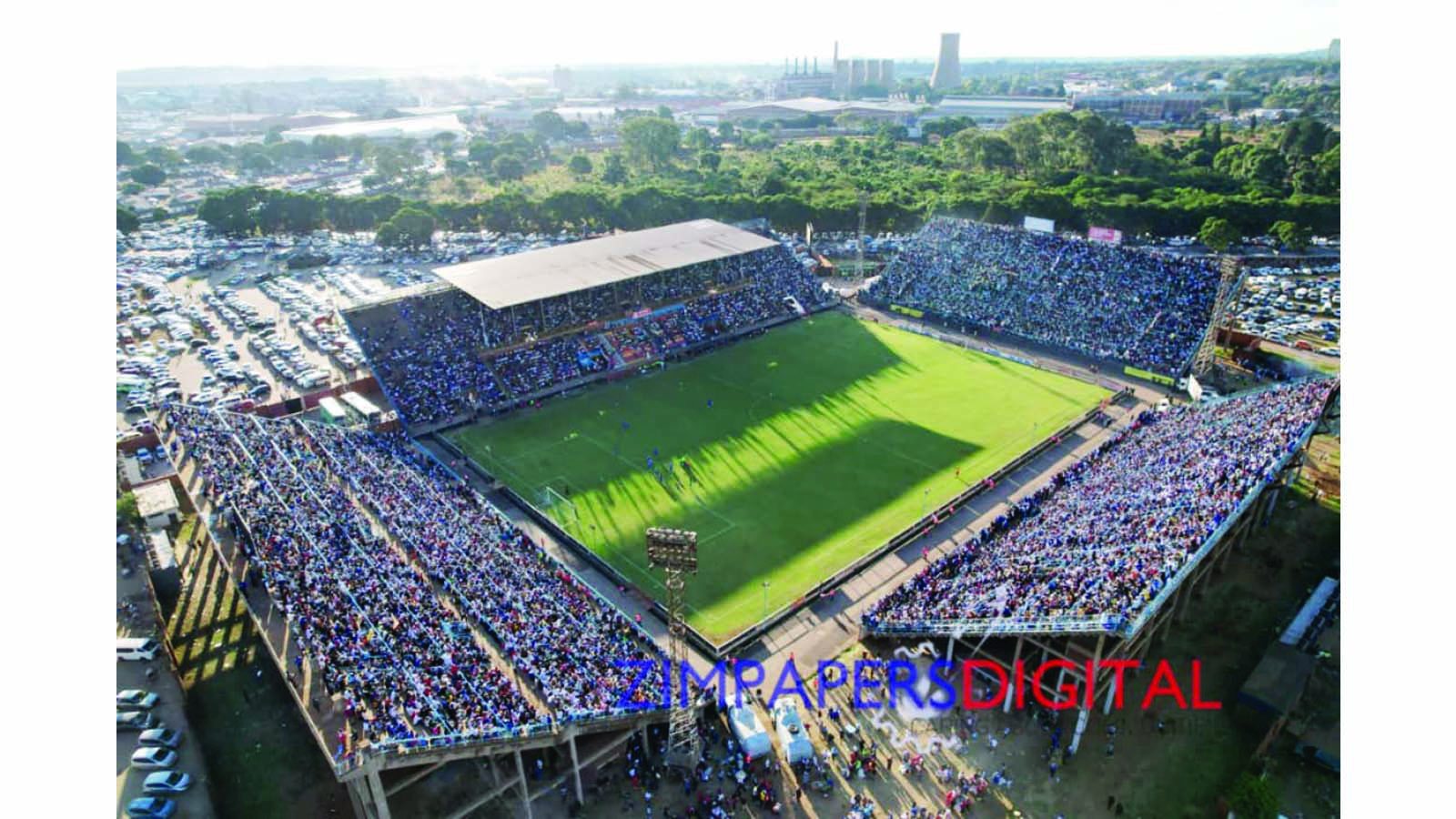
The packed Rufaro Stadium for the Harare derby — a sellout crowd that surged through gates and delayed kickoff by 15 minutes— is a vivid reminder that Zimbabwean football still commands deep civic passion and commercial potential; it signals opportunity for better governance, investment, and fan engagement if stakeholders act responsibly.
The Harare derby between Dynamos and CAPS United drew a capacity crowd at Rufaro, with reports describing the stadium as filled to capacity and thousands streaming in before kickoff, which was delayed as fans surged through the gates.
This spectacle matters for several reasons. First, it proves there is a robust, loyal fan base willing to pay, travel, and create atmosphere — a foundational asset for any league seeking growth. A packed Rufaro is a market signal that matchday revenue and sponsorship interest can be scaled if clubs and the league professionalise operations.
Second, the derby highlighted both opportunity and risk. The match’s build-up included high-profile incentives — a promised team bus for Dynamos if they won — that amplified attention and controversy.
Third, the crowd underscores the social role of football in Harare. Derbies are civic rituals: they knit communities, provide livelihoods for vendors and matchday workers, and offer a public stage for identity and pride.
The clubs’ appeals for peaceful conduct and stewarding of fans after the fixture show an awareness that fan behaviour and safety are central to turning passion into long-term growth. A packed stadium exposes weaknesses in crowd management and facilities. Investing in turnstiles, seating, emergency plans, and steward training is essential to convert one-off excitement into repeatable, safe attendances.
Clubs and the league should professionalise ticketing, merchandising, and media rights to monetise demand rather than rely on episodic handouts. Structured sponsorships and transparent revenue-sharing will make the sport more resilient.
The Rufaro turnout is a wake-up call and an invitation. Zimbabwean football has the raw ingredients — passionate fans, historic clubs, and compelling narratives — to rebuild a thriving domestic game.
To seize that potential requires coordinated action to ensure safer stadia and smarter commercial strategies so that the roar of the crowd becomes a sustainable engine for the sport’s future.