admin
admin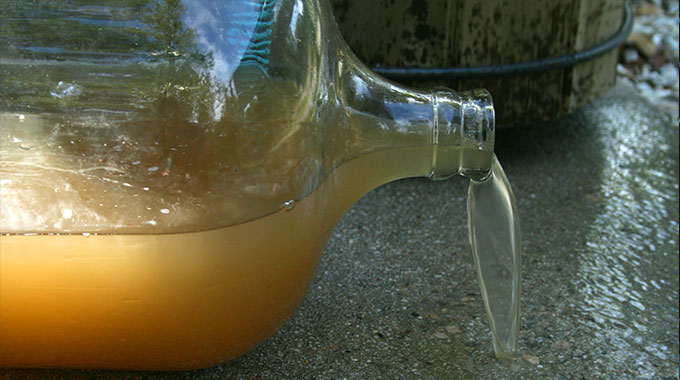
Health Reporter
Officials in Harare have warned that most boreholes and wells in the capital could be contaminated with coliform and E.coli making the most widely used sources of water unsafe in the face of the current cholera outbreak which has so far claimed five lives.
To date, 620 suspected cholera cases have been reported in nine provinces of the country since the beginning of the year, of which 132 were confirmed cases.
The country has also recorded 14 suspected deaths.
According to the Ministry of health and Child Care daily situation report, by Tuesday, 26 suspected cases had been reported in Harare and seven were confirmed in Budiriro, Glen View and Mt Pleasant.
Harare City epidemiology and disease control officer Dr Michael Vere said water being provided by council was safe as it had adequate residual chlorine.
“Boreholes in Harare are contaminated with coliform and E.coli, therefore water from some boreholes is not safe for drinking. Shallow wells are even less safe. All wells have been found to be contaminated from the tests done in the affected areas,” he said.
Coliform bacteria serve as critical indicators of water quality. More precisely, they are evidence of recent faecal contamination of water supplies. Coliform bacteria themselves do not usually cause illness in humans, but their detection in water supplies indicate the possibility of contamination with disease-causing organisms, many of which also occur in human waste.
E.coli can cause symptoms including diarrhoea, stomach pain and cramps and low-grade fever. Some E. coli infections can be dangerous.
Zimbabwe last had a cholera outbreak in 2018 but areas like Glen View, Budiriro, Glen Norah and Mbare are hotspot areas.
Despite being easily treatable, cholera remains a global threat due to its high morbidity and mortality in vulnerable populations with a lack of access to adequate sanitation and health care.
Dr Vere said to mitigate the clean water shortages in these areas, the local authority had designated water bowsers to provide safe water inline chlorinators were being installed on available boreholes. Point of use treatment tablets were also being provided.
The City is also set to roll out a cholera vaccination programme targeting hotspot areas.
The modalities of the programme were yet to be made available but according to Dr Vere, application for the vaccine is underway.



 Online Reporter