admin
admin
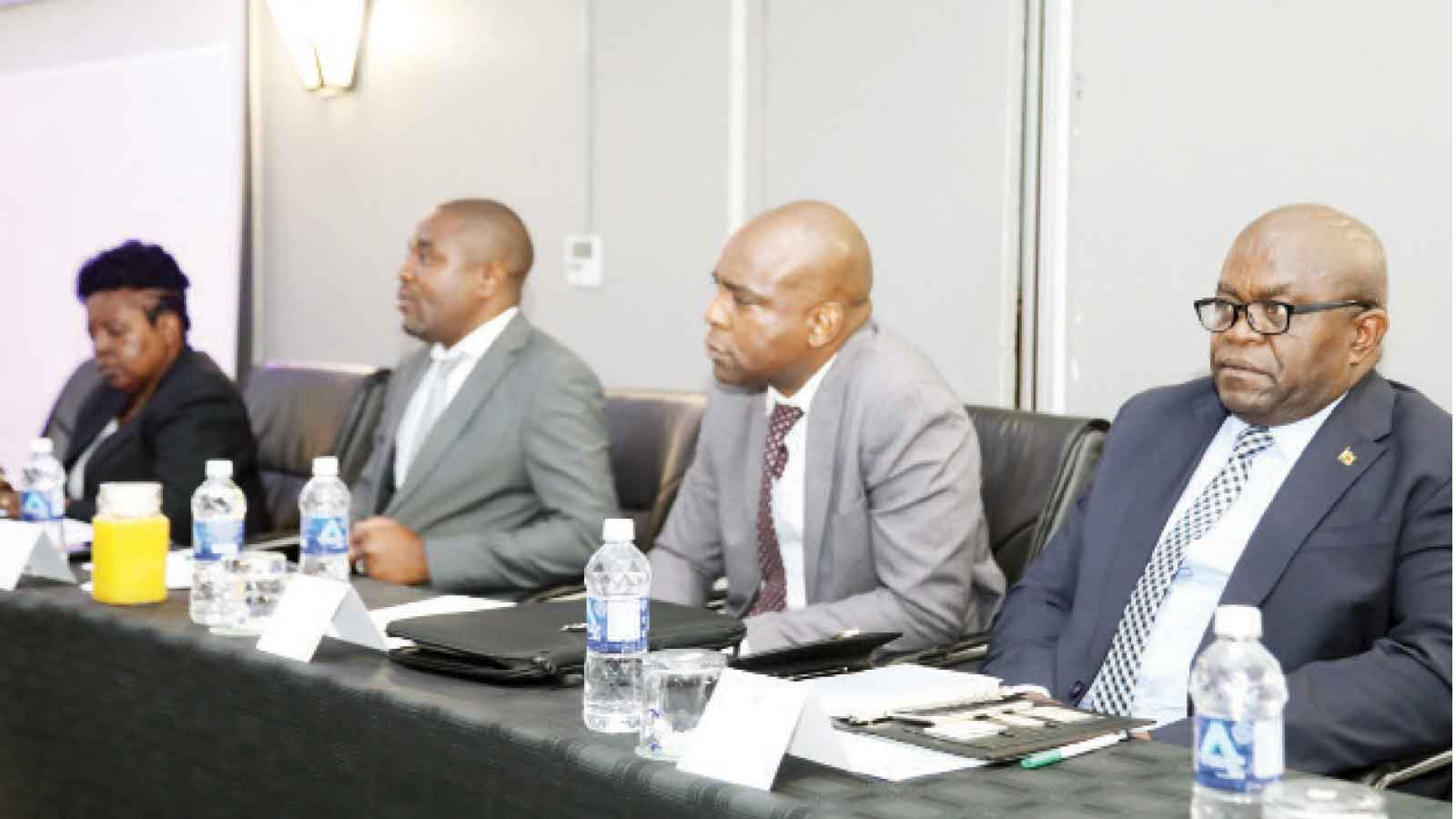
The appointment of a team of 19 technical experts to liaise with Harare City Council over the very poor water supplies in Harare Metropolitan, and the dedication of one of the Government borehole rigs to the province to continue the programme of emergency boreholes must produce some results to avert a major human and health disaster in the capital city and its surrounding towns.
The water treatment works in the metropolitan area, both under control of Harare City Council, are pumping just over 300 million litres a day, less than what the council was pumping more than 30 years ago before some major augmentation works were commissioned at the start of the 1990s to fix what was identified as an inadequate supply then when the population was well below half what it is today.
The fragility of the water supply in the metropolitan province can easily be seen by the fact that in the last 15 years there have been two major cholera outbreaks and even now the city is dealing with what is, fortunately, a more minor outbreak, but which could easily explode if make-shift water sources are contaminated.
The fact that the first target of the team appointed by Minister of Lands, Agriculture, Fisheries, Water and Rural Development Anxious Masuka, in his capacity as the Water Minister, is to push treatment up to 520 megalitres a day, 71 percent jump, and to cut waste down to 55 percent, still an incredible figure, shows that something significant can be done as an emergency measure.
But these emergency measures still only produce about 60 percent of the coverage that residents of the metropolitan province need, a big jump on the present 40 percent, but far from what should be routine 24/7 supplies through the taps in all homes and businesses in the province.
The dismal performance of the city council and the surrounding towns explains the Government intervention for boreholes, an intervention that has already seen more than 300 drilled and with the dedicated rig for the province this programme will continue.
While in theory urban areas should not need boreholes, the problems of Harare Metropolitan water supply mean that for many residents a protected borehole near their homes is literally a lifesaver, providing tested, clean and safe water that they can collect in their drums and buckets and take home, rather than using dubious and almost certainly unsafe wells or buying expensive water from the growing number of private companies that truck water into the province.
While the borehole programme was launched to provide village supplies in rural areas, President Mnangagwa extended the scheme to Harare to cope with the disaster growing in the largest urban area and provide at least some emergency supplies.
The growth business, the private suppliers who deliver water, has grown over the last couple of decades as city supplies dry up and infrastructure of reservoirs, pump stations and just ordinary pipelines is not maintained and closes down.
It should not really be necessary, but it is now routine for many households and businesses to lift the phone and place water orders.
As the emergency measures to get the treatment plants working properly and drill more boreholes take effect, the technical team needs to be retained so that the longer term measures that are required are sorted out and implemented.
Harare Metropolitan is largely in the catchment of its four supply dams on the Manyame River, a state of affairs that creates the danger of polluted water sources, a danger now apparent to anyone visiting say Lake Chivero, but also a major opportunity as the councils of the 1980s recognised and embraced.
Those councils during that decade, and the present metropolitan Minister of State for Provincial Affairs and Devolution Charles Tawengwa was a councillor, committee chairperson and one of the mayors on that council, undertook an incredible infrastructure development that doubled the water supply.
This not only saw the tunnel from the Morton Jaffray Water Works to Manyame Dam, and the doubling of the capacity of that water works, but also a major investment in sewage treatment with the commissioning of two very large, modern technology treatment plants that if maintained and operated properly converted sewage into high-quality fresh water that met every environmental standard for discharge into the rivers that fed Lake Chivero.
Since this water flowing down the two feeder rivers was of better quality than the water coming from upstream of the two plants, the treatment costs were to be low.
Regrettably these treatment works were not maintained, and were not extended, so the pollution of the dams is very bad. This has sent treatment costs skyrocketing.
At the same time the master plan for what is now the metropolitan area included three more of these modern award-winning plants for the Nyatsime basin in Chitungwiza, the Ruwa River basin for Ruwa, Goromonzi South and Mabvuku-Tafara in Harare, and for the Gwebi River basin that drains far north Harare and the new urban development in Harare and neighbouring Zvimba around Mount Hampden. Those plans need to be modernised and activated.
More water treatment is needed. This not only requires the renovation of the Morton Jaffray and Prince Edward works, but new treatment works.
The Kunzvi Dam north east of Harare and the planned new dam south of Chitungwiza will help, but will not solve all the requirements. Proper recycling of water in the province will produce enough quality raw water allowing an extension of Morton Jaffray and perhaps a new treatment works by Lake Manyame.
These days the growth of Zimbabwe’s pool of technical manpower means that we have the expertise to draw up new plans and modernise old plans for a proper water supply for Harare Metropolitan.
The fact that Minister Masuka managed to assign 19 experts to the team dealing with Harare shows that we have the people in our universities and ministries.
The Government has shown that it has the will, and what is now needed is for the political leadership in the metropolitan local authorities to become serious and take up the burden and responsibility they have been entrusted with, work with the Government, back the emergency work and then swiftly work out the needs and solutions for the longer term and give Harare and the surrounding areas the sort of services that a major capital city deserves.


 Online Reporter