Sundaymail Editor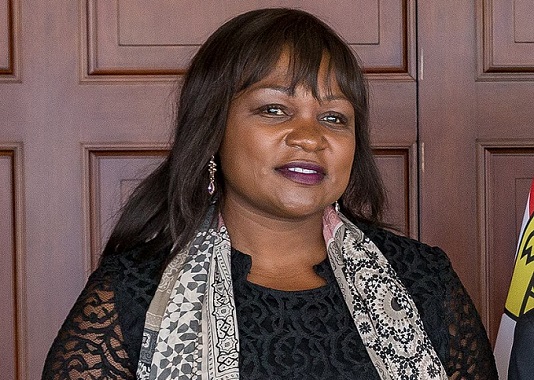
Virginia Mabiza
The Gukurahundi Community Engagement Outreach Programme is set to be launched today in Bulawayo.
The initiative is aimed at addressing post-independence disturbances that occurred in our country.
The main objective of the programme is to provide a platform for victims and their families to share their experiences, promoting healing and reconciliation.
The programme is led by the National Council of Chiefs and supported by the Government, which has allocated a dedicated budget and resources to ensure its successful implementation.
Additionally, the hearings and consultations will be community-based and will involve a diverse panel of counsellors, rapporteurs and community representatives, ensuring that the process is inclusive.
The goal is to ensure that appropriate measures are taken to address past conflicts and promote open dialogue and reconciliation.
The programme seeks to strengthen the social fabric of Zimbabwe, foster unity and prevent the recurrence of similar incidents in future.
Traditional chiefs taking the lead
The decision to have the chiefs lead the outreach process was made after extensive consultations with various stakeholders, including civil society organisations and faith-based organisations.
A consensus emerged that traditional leaders are uniquely suited to lead this process.
Traditional chiefs, being deeply rooted in their communities, can facilitate open and honest dialogue without fear of reprisal.
Their leadership ensures that affected individuals feel safe and supported in sharing their testimonies.
Historically, chiefs have always played a crucial role in conflict resolution within their communities, making them well-equipped to handle such sensitive matters.
Their involvement is pivotal in fostering trust, healing and reconciliation, allowing the Gukurahundi Outreach Programme to achieve its goals effectively.
They also serve as a bridge between the community and the State, effectively communicating the concerns and recommendations of the community to the Government.
Their leadership in the outreach process signifies respect for traditional governance structures and acknowledges the important role these institutions play in contemporary efforts to promote peace and reconciliation.
Duration
Initially, we anticipate that the programme will run for at least six months to a year.
However, the Government is committed to thoroughly addressing every aspect of this issue and leaving no stone unturned.
Therefore, the ultimate duration of the programme will depend on the number of participants.
As this is a victim-centred process, the timeline will be guided by the needs and participation of the victims.
Their input is crucial in determining the length and scope of the programme to ensure comprehensive healing and resolution.
Primary goals
The primary goal is to promote national unity and strengthen the social fabric of Zimbabwe by addressing the root causes of past conflicts and promoting inclusive dialogue and reconciliation.
Additionally, it aims to identify the needs of the victims of the Gukurahundi conflict so that the State can provide appropriate interventions and solutions to bring closure to this chapter.
A significant aspect of the programme is that it empowers victims to express their needs and desires, allowing them to articulate what would help ease their pain.
By addressing these needs directly, the programme seeks to promote genuine healing and reconciliation within the affected communities.
Significance
President Mnangagwa’s launch of the programme is highly significant as it demonstrates the State’s full support of the initiative.
Moreover, it underscores the national importance of addressing the Gukurahundi issue and affirms the Government’s commitment to taking these issues seriously.
This endorsement from the highest level of leadership sends a powerful message that the healing and reconciliation process is a priority for the nation.
Resources
I am pleased to announce that the Government has allocated sufficient funding for the programme. The exact amount will be disclosed in due course by the relevant authorities.
This approach ensures that transparency and accountability are maintained.
Eligibility
The primary eligible participants are the direct victims of the Gukurahundi conflict and their families.
Additionally, members of those families are also encouraged to participate in the outreach activities.
Role of the media
The media is expected to play a crucial role in reporting the outreach process fairly and impartially.
It is important that media coverage respects the privacy and sensitivity of the affected individuals, families and communities involved.
While the media has the responsibility to inform the public, it is also crucial that reporting is conducted in a manner that promotes healing and reconciliation.
Divisive reporting could potentially hinder the resolution of this sensitive matter.
Therefore, it is hoped that media organisations will exercise discretion and sensitivity in their coverage, ensuring that the dignity and rights of those affected are upheld throughout the outreach activities.
Ensuring safety and privacy of victims
The programme has implemented robust protocols to safeguard the privacy of participants.
Traditional chiefs and their panels have underg0one comprehensive training on these protocols, ensuring strict adherence to confidentiality measures throughout the process. By adhering to these guidelines, the programme aims to create a safe and secure environment where participants can share their stories without fear of compromising their privacy.
Long-term goals
The long-term goals of the programme are multi-faceted.
Firstly, it aims to achieve a lasting solution to the negative effects of the Gukurahundi conflict.
Beyond healing, a key objective is to foster national unity and cohesion, ensuring that all regions and communities are integrated into a unified developmental trajectory.
This holistic approach aims to build a more inclusive and harmonious society, where the scars of the past can be healed and the entire nation can move forward together. This can be summed up by the Second Republic’s mantra that advocates leaving no one and no community behind in pursuit of our Vision 2030 agenda.
It is important to emphasise that the Gukurahundi Community Outreach Programme is driven by our communities and guided by internal processes.
While we welcome international support and recognition, the initiative is rooted in our commitment to resolve internal conflicts independently.
Therefore, while external contributions in terms of solidarity and moral support are appreciated, direct interference or imposition is neither encouraged nor tolerated.
Mrs Virginia Mabiza is Head of the Secretariat for the Matabeleland Peace Building Outreach Programme. She is also the Attorney-General. She was speaking to The Sunday Mail’s Tanyaradzwa Rusike.



 Online Reporter