Africa Moyo-Deputy National Editor
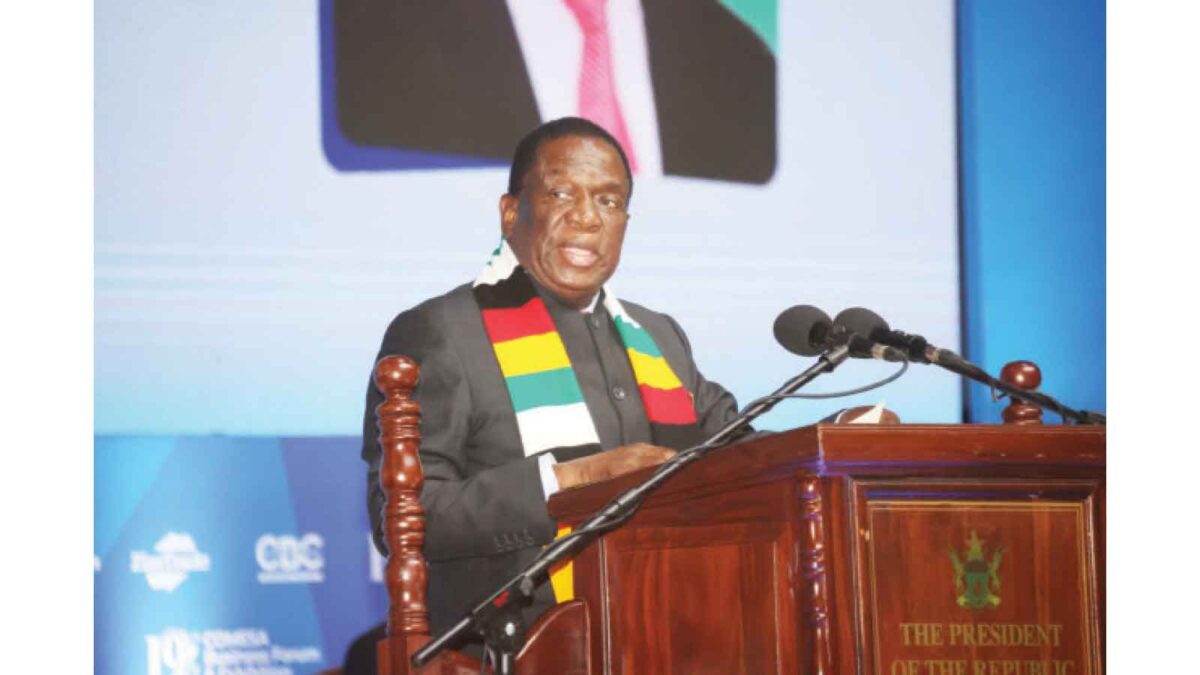
PRESIDENT Mnangagwa has moved to sharpen Government’s economic management by gazetting clear mandates for the Minister of Finance and the Minister of Economic Development and Investment Promotion, ending overlap and giving each portfolio a focused role in driving growth.
The assignments are contained in an Extraordinary Government Gazette published yesterday, which lists the Acts of Parliament and associated subsidiary legislation assigned to each minister. The Gazette carries two key legal instruments: Statutory Instrument 180 of 2026, the Assignment of Functions (Minister of Finance) Notice, 2026, and Statutory Instrument 181 of 2026, the Assignment of Functions (Minister of Economic Development and Investment Promotion) Notice, 2026.
The notices repeal the Assignment of Functions (Minister of Finance and Economic Development) Notice, 2023, published in Statutory Instrument 197 of 2023, the last time the legal status of the Finance Ministry was updated.
Both notices were issued in terms of the Constitution, read together with Section 37(2) of the Interpretation Act.
Analysts said the move was a “clear statement of intent” by the Second Republic that economic delivery must be coordinated, accountable and free from confusion over responsibilities.
With clear mandates and legal responsibilities, ministers can be measured on results, while investors, businesses and citizens will know exactly where to turn on policy matters.
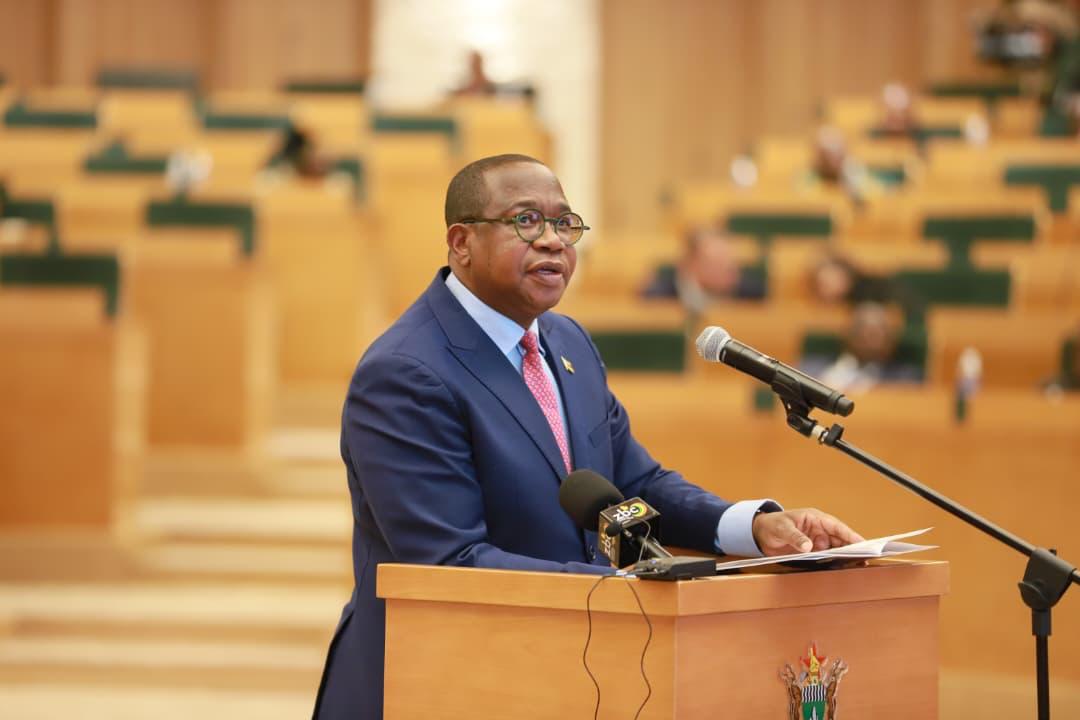
Professor Mthuli Ncube is the Minister of Finance, while Dr Kuda Tagwirei is the Minister of Economic Development and Investment Promotion.
This follows the splitting of the previously combined ministry on October 8.
Under SI 180 of 2026, the Minister of Finance is assigned a range of Acts dealing with taxation, public finances, banking, the administration of national debt and the financial sector.
The schedule to SI 180 is extensive and places under the Finance Ministry the backbone of the country’s financial system.
It includes the Public Finance Management Act, the Reserve Bank of Zimbabwe Act, the Revenue Authority Act, the Income Tax Act, the Value Added Tax Act, the Customs and Excise Act, the Banking Act, the Insurance Act, the Securities and Exchange Act, the Public Debt Management Act, the Money Laundering and Proceeds of Crime Act, the African Development Bank (Membership of Zimbabwe) Act, the International Financial Organisations Act, the Pension and Provident Funds Act, the State Lotteries Act and the Public Accountants and Auditors Act, which is jointly administered with the Minister of Justice, Legal and Parliamentary Affairs.
In simple terms, the Finance Ministry is now responsible for the national purse, revenue collection, banking and financial regulation, public debt management and the country’s engagement with international financial institutions.
Under SI 181 of 2026, the Minister of Economic Development and Investment Promotion is assigned the administration of the Competition Act and the Census and Statistics Act.
The notice amends the Assignment of Functions (Minister of Industry and Commerce) Notice, 2023, published in Statutory Instrument 202 of 2023.
The two Acts may appear limited in scope, but their impact is significant. The Competition Act promotes fair markets, curbs monopolistic practices, protects consumers and creates a level playing field for business.
It is the law that ensures growth is fair and that no player is allowed to stifle competition and drive up prices.
The Census and Statistics Act underpins the national census and the production of official statistics, the data that Government, investors and development partners use to plan schools, hospitals, roads, jobs and investment programmes.
Without credible statistics, there can be no credible planning. With them, Zimbabwe can target resources where they are needed most and accurately measure progress.
Together, the two notices tell a coherent story. The Finance Ministry will safeguard stability, while the Ministry of Economic Development and Investment Promotion will drive growth, investment promotion and evidence-based planning. One will ensure the country lives within its means; the other will ensure the economy expands, creates jobs and attracts capital.
The gazetting comes at a time when Government is pursuing inclusive growth under Vision 2030, strengthening the local currency, increasing investment and improving livelihoods.
It also comes as the country works to rebuild confidence, deepen reforms and position itself as a competitive destination for trade and investment in the region.