Fungai Lupande-Herald Reporter
ZIMBABWE’S electronic traffic management system is set for a major technological expansion, with additional surveillance cameras earmarked for intersections and highways to tighten road discipline, curb accidents and eliminate corruption.
The Ministry of Home Affairs and Cultural Heritage is rolling out the automated network in phases, capturing traffic violations and issuing electronic fines without requiring physical roadblocks or manual policing.
Following a first phase that installed cameras at 20 major points largely across Harare, the second phase will add 36 sites, with a further 56 earmarked for the third phase.
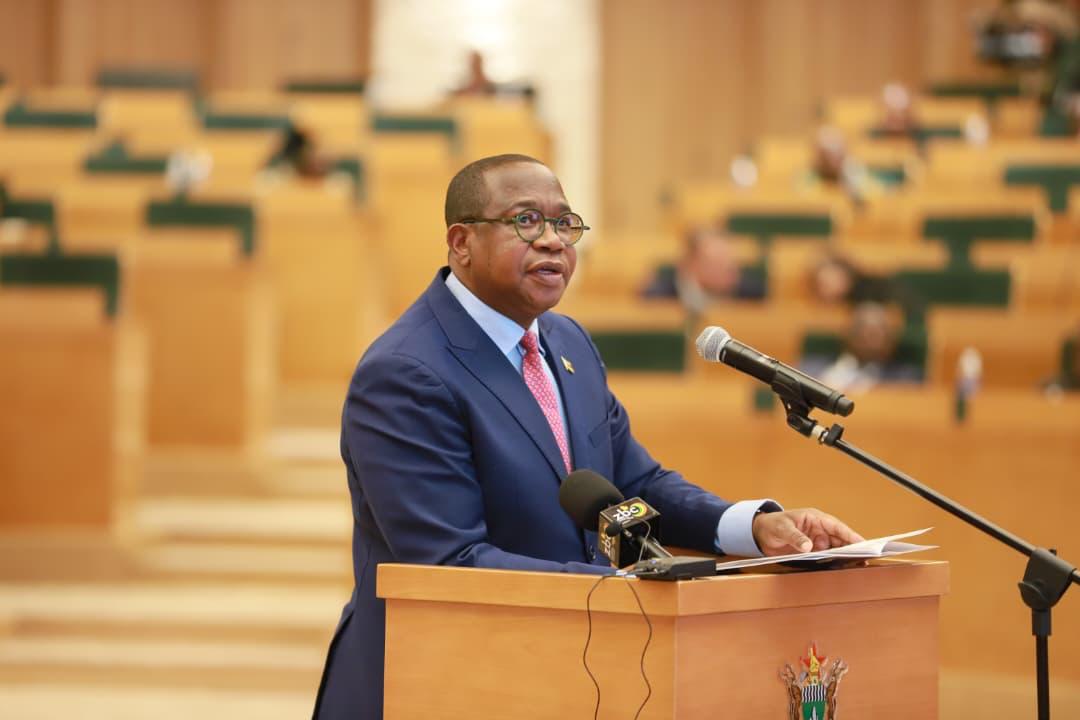
Speaking about the programme yesterday, Home Affairs and Cultural Heritage Minister Dr Kazembe Kazembe said the modular design allows authorities to steadily expand camera coverage and enforcement capabilities nationwide.
The network will eventually extend to major highways, introducing automated speed-monitoring technology that issues electronic tickets to speeding motorists.
Dr Kazembe warned that the system operates without fear or favour, noting that senior Government officials and politically connected individuals will face the same automated penalties as ordinary motorists.
“Technology does not care who you are,” he said, adding that the cameras automatically flag drivers who jump red lights, use mobile phones behind the wheel or commit other traffic offences.
Automating routine traffic monitoring will also free up police officers from manning intersections and roadblocks, allowing them to focus on broader crime-fighting duties.
Beyond road safety, the surveillance network has already curbed petty crime at busy junctions. Dr Kazembe revealed that police recorded zero pickpocketing cases over the past six weeks at monitored intersections, where female motorists and pedestrians were previously targeted.
Cloud-stored footage also provides investigators with time-stamped evidence to track suspicious activity and resolve reported incidents.
Meanwhile, the platform is being integrated with the vehicle licensing database, meaning motorists with unpaid fines risk being blocked from renewing their vehicle licences. Dr Kazembe urged sellers to promptly complete change-of-ownership formalities so they are not billed for offences committed by new owners.
He stressed that the modernisation drive is irreversible and marks a decisive step toward safer roads, stronger crime deterrence and greater public accountability.