Online Reporter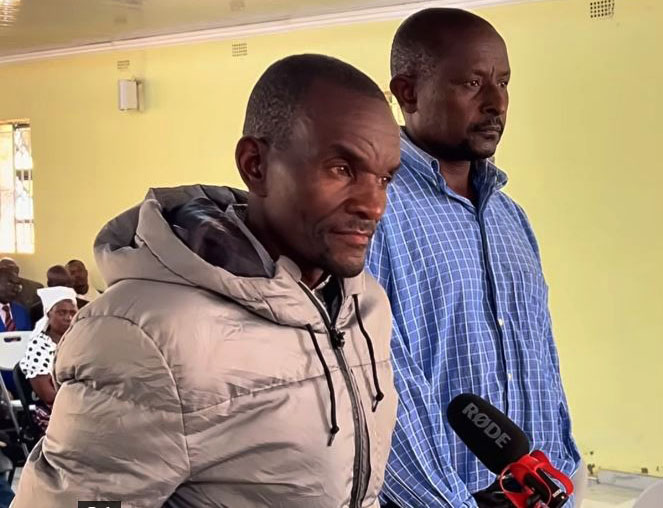
Tendai Gukutikwa
Weekender Reporter
A HONDE Valley man who inherited his late cousin’s widow and estate has been accused of trying to resurrect long-settled land disputes that once pitted the deceased against scores of villagers.
The accusations surfaced at Chief Mutasa’s community court, where Israel Musvipa brought a complaint against Bishop Mutunga, alleging that the cleric had unlawfully occupied a family farm he claims was allocated to his father more than three decades ago.
What began as a seemingly straightforward land dispute quickly evolved into a heated debate over whether Musvipa was merely continuing a battle that had already been fought, and lost, by his late cousin Hosea Musvipa.
Before his death earlier this year, Hosea spent years embroiled in a bitter land conflict involving approximately 95 families, all of whom he allegedly claimed were occupying land that belonged to him. The matter was eventually determined by both Chief Mutasa’s court and the Mutare High Court.
After listening to both parties, Chief Mutasa made it clear that the previous judgment remained valid and could not be reopened simply because a relative wished to pursue the matter.
The chief, however, ordered a site visit to the disputed property in Honde Valley so his team could inspect developments on the ground and assess the competing claims.
Addressing the court, Israel maintained that the land belonged to his family and not to his late cousin.
“Our father was allocated this farm in 1992. We built our lives there and never imagined that one day someone would claim ownership. Last year, Bishop Mutunga came onto the property and occupied it. Instead of respecting our occupation of the land, he took the matter to the village head and accused us of chasing him away from his land,” said Israel.
He rejected allegations that he was attempting to revive Hosea’s legal battles.
“This is my land, not Hosea’s land. People keep linking this matter to my late cousin, but I am speaking for myself. I planted tea on that farm many years ago, long before these disputes reached the courts. Those tea plantations are evidence of my investment and hard work. I cannot simply walk away from property that I personally developed because someone now claims ownership,” he argued.
Mutunga, however, dismissed the claim as a continuation of the same dispute that had troubled the community for years.
“This dispute did not begin with Israel. We fought these same battles with Hosea for years. He claimed that almost everyone’s land belonged to him and dragged innocent families into endless disputes. Israel was always by his side throughout those years and now that Hosea is gone, he has simply stepped into his shoes,” said Mutunga.
According to Mutunga, Israel was actively involved during the earlier disputes and was fully aware of how they had been resolved.
“There were about 95 families who were feuding with Hosea over land issues. Israel was there during all those disputes. He knows exactly what transpired because he was part of it. Today he is simply picking up where Hosea left off,” he said.
Mutunga further accused the late Hosea and Israel of intimidating villagers during the protracted land battles.
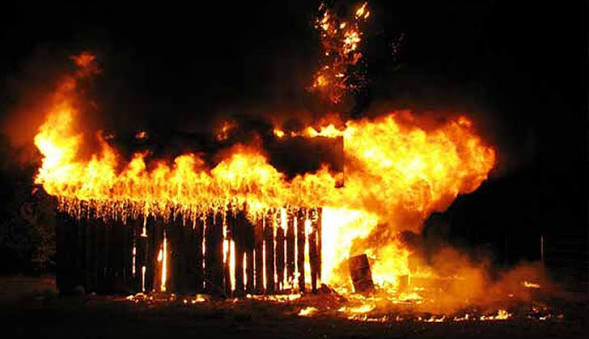
“There were allegations that people’s fields were burnt and that they went around claiming ownership of everyone else’s farms. That is why I say Israel has inherited Hosea’s banditry,” he charged.
He also took aim at Israel’s decision to continue pursuing the matter after inheriting his late cousin’s household.
“He inherited Hosea’s wife and is now staying at Hosea’s homestead. That is a family matter. But inheriting a wife is one thing. Inheriting court battles that were already concluded is another. Those disputes ended with Hosea,” Mutunga said.
Chief Mutasa reminded the parties that the dispute involving Hosea had already been fully adjudicated.
“This court dealt extensively with Hosea’s case while he was alive. It was not an ordinary matter because it involved approximately 95 families who came before this court seeking justice. After considering the evidence, this court entered judgment against Hosea,” the chief said.
He stressed that Hosea’s death did not invalidate decisions that had already been made.
“He passed away before lodging an appeal. Therefore, the judgment remained in force. Court decisions do not disappear simply because one of the parties dies. The law cannot allow relatives to revive concluded matters every time a litigant passes away,” said Chief Mutasa.
Turning to Israel’s assertion that the land belonged to him personally, the chief maintained that the issue had already been determined.
“You have repeatedly argued that this land belongs to you and not to the late Hosea. However, this court previously ruled that the land belonged to Mutunga. That decision was made before Hosea died, and his death did not alter ownership. The land remained with Mutunga because the court had already awarded it to him,” he said.
Chief Mutasa also revealed that Hosea had allegedly been facing serious allegations arising from the earlier litigation.
“Hosea allegedly forged documents from this court and presented them before the High Court. He was expected to answer criminal charges relating to forgery, but he died before those proceedings could continue. Are you now saying you also want to inherit those criminal charges?” the chief asked.
Before adjourning the matter, Chief Mutasa directed that court representatives travel to Honde Valley to inspect the disputed farm and verify the facts on the ground before further proceedings continue.