Online Reporter
LONDON. — Frances had only just arrived at work when she received a phone call that turned her life upside down.
Police officers had arrested her solicitor husband Andrew over allegations he was defrauding clients — and were searching the family home the couple shared with their two children.
Andrew’s office, in a leafy village to the south of Manchester, also resembled a scene from a TV drama — cloaked in yellow crime tape, staff in shock and records being boxed up.
His legal practice held power of attorney for many elderly people with dementia. But the police discovered that hundreds of thousands of pounds of Andrew’s clients’ money were missing. Officers later found he had spent the funds on adult webcam sites, sex workers and antiques.
That was 12 years ago.
A resulting court case would hear Andrew’s impulsive behaviour was caused by medication he was being prescribed for Parkinson’s disease.
He stole from 13 of his clients. All, except two, were aged over 80, and some were unwell.
They had a combined £600,000 taken from their accounts.
One 87-year-old living in a care home died shortly after the theft — her estate didn’t have enough money to pay for her funeral.
“People didn’t want to know us, and I can understand that entirely,” says Frances, thinking back to what Andrew did. While their daughter, Alice, says her father “never forgave himself”.
Andrew’s behaviour would later have tragic consequences.
His case is extreme — but far from isolated.
Over the past year, we have spoken to scores of families whose lives have been torn apart by impulsive behaviours caused by a family of medications known as dopamine agonist drugs.
These include the development of new sexual urges — such as addictions to pornography and sex workers — but also compulsive shopping and gambling that have cost people tens or hundreds of thousands of pounds.
The drugs are an established treatment for Parkinson’s, Restless Legs Syndrome and other conditions. They have been prescribed 1.5 million times by GPs alone in England past year.
NHS advice is clear — if you are taking them and you have any concerns, you should speak to your doctor.
One in six Parkinson’s patients on the drugs are affected by impulse control disorders — the clinical term for this behaviour — according to one 2010 study of just over 3,000 people.
In response to our investigation, the chair of the MPs’ Health select Committee has described our findings as “devastating” and has written to the UK drugs regulator asking it to review official warnings.
Many of the people we spoke to told us they had no history of any such impulsive behaviour before taking the drugs — and made no connection with their medication when they began experiencing them.
They say doctors failed either to properly warn them or to monitor the drugs’ effects.
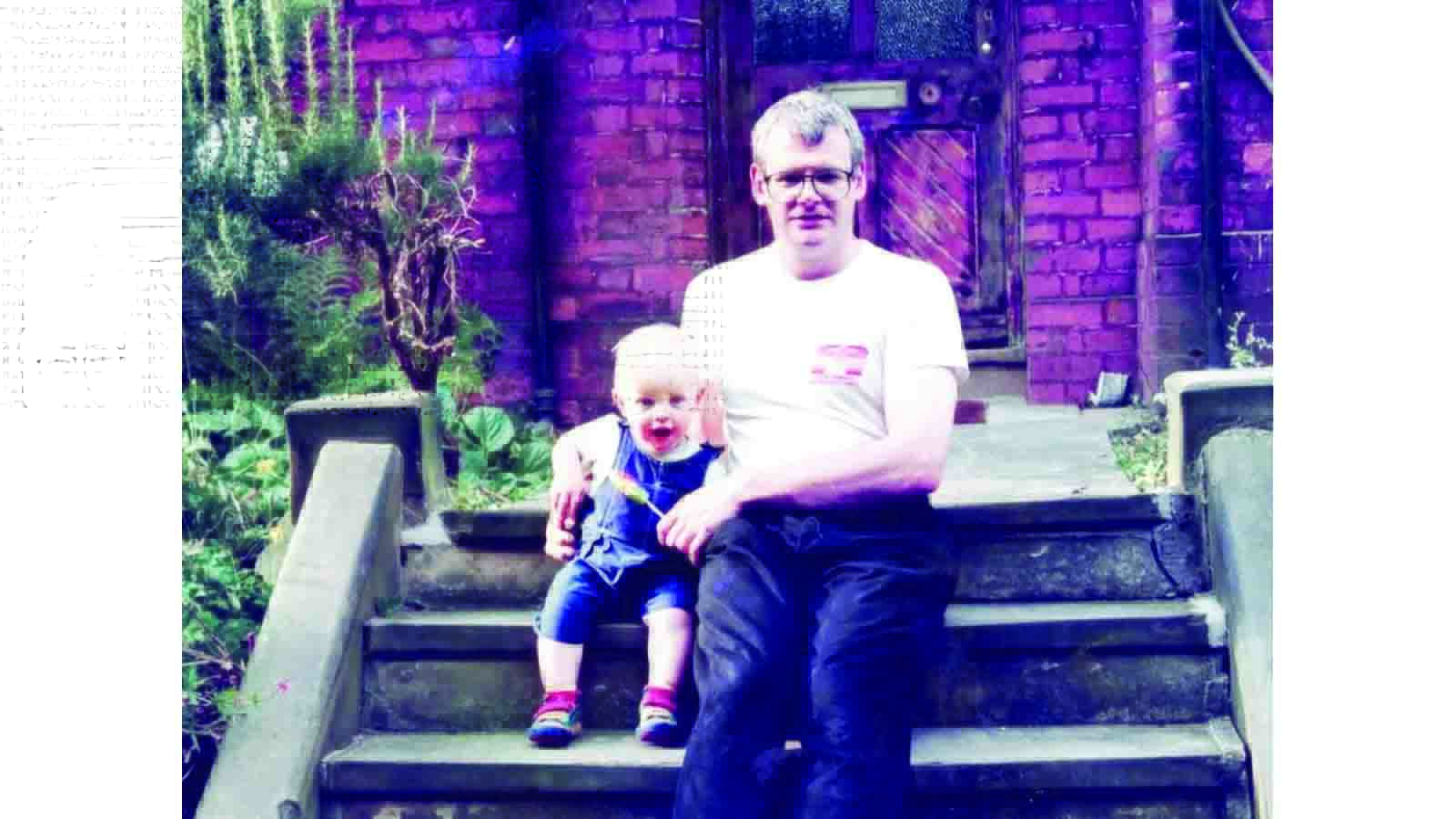
Back in the summer of 2013, on the weekend after his arrest, Andrew had attempted to put on a brave face for his family, they say. But that Sunday he collapsed at home and was taken to A&E.
He had been diagnosed with Parkinson’s a few years before and, when he began to experience shakes, doctors had prescribed a drug called Pramipexole. The medicine’s effects were “miraculous”, according to Frances.
Pramipexole and similar drugs work by boosting the activity of dopamine — a chemical that helps regulate our movements, but which also drives feelings of reward and enjoyment.
Andrew’s Parkinson’s tremor dramatically reduced, say his family, and soon he was even back playing tennis.
But in A&E after his collapse, a doctor asked Frances if she was aware that Pramipexole could cause a range of impulsive behaviours in people who take it.
Frances says this was a “terrible shock”. She couldn’t understand why she had never been warned despite attending all of Andrew’s appointments.
The potential side effects of the medication, she says, finally explained Andrew’s compulsive shopping — although at that point she had no idea about the true extent of his spending.
Before his diagnosis, Andrew had used webcams and sex-chat sites roughly once a week. But in the year after he started on the pills, he made nearly 500 payments to them.
He went on to spend more than £100,000 on one website alone using his clients’ money. He also spent nearly £80,000 on sex workers in just four months, and when he was arrested his mobile phone was found to contain the numbers of 90 different escorts.
Andrew – who had always been a big history buff – also began compulsively buying antique pens, pottery and cricket memorabilia. He spent £85,000 on eBay in the six months leading up to the police raid.
“Dad was so ashamed from the point he was arrested, he basically didn’t leave the house,” says Alice.
For more than a year, the family waited to hear from prosecutors – in the end, Andrew was charged with fraud.
Frances says the couple’s son, Harry, “loved his dad very much” – but that Harry, who had longstanding mental health problems, found what happened after his father’s arrest “very difficult to cope with”.
Harry’s mental health became so bad that he was sectioned. He returned home, then disappeared. Weeks later his body was discovered — he had taken his own life.
In court in 2015, Andrew pleaded guilty.
During sentencing the judge said he had squandered his clients’ money on various “sexual excesses” and “absurd extravagances”.
Mr Justice Openshaw said he believed Andrew’s behaviour had been caused by the drugs he was taking – but argued he had been a practising solicitor who was still able to competently conduct his business in other ways.
As a man with family, friends and advisers – said the judge — Andrew should have sought help from them and identified the effect the medication was having on him.
Andrew was sentenced to four years inside HM Prison Manchester, commonly known as Strangeways.
During the investigation, all Andrew’s assets were frozen to recoup some of the money stolen from his clients.
The family were also unable to proceed with a clinical negligence case against Andrew’s doctors because legal rules can bar the recovery of damages closely connected to a serious criminal act.
Frances and Andrew got divorced while he was in prison. Upon his release, two years after being jailed, he moved into sheltered accommodation.
Prison had taken its toll on Andrew, say his family, and the Covid lockdowns were particularly hard on him. — BBC