Online Reporter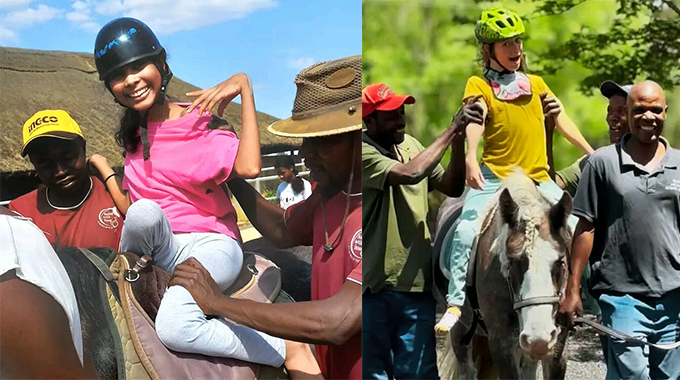
Flora Fadzai Sibanda, [email protected]
ON a quiet plot in Kensington, on the outskirts of Bulawayo, something remarkable happens every week.
Children who are often confined by wheelchairs, stigma or silence are gently lifted onto horses.
As the animals begin to walk, the children straighten, smile and for a moment, feel free.
For the past decade, Healing with Horses Zimbabwe has been quietly transforming lives, offering free therapeutic horse riding lessons to children living with disabilities — and in the process, challenging long-held social attitudes about what these children can and cannot do.
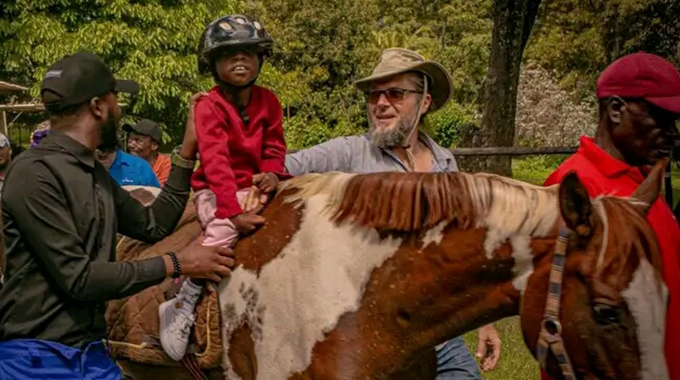
Founded in 2013, the organisation provides therapeutic riding and equine-assisted activities that introduce children to a powerful physical and sensory experience, many for the first time in their lives.
“Children living with disabilities are at the very heart of our organisation. In Zimbabwean culture, for many years, these children have often been stigmatised,” said a trustee, Jill Burgess.
“One of our core roles has been to gently change that perception — to help families and communities see that these children have a special and valued place in society.”
Burgess said the idea for Healing with Horses was born after noticing a gap in services offering equine-assisted therapy in Zimbabwe. Today, the organisation works with at least 150 children, supported by 40 carefully trained horses — gentle giants that play a central role in each child’s progress.
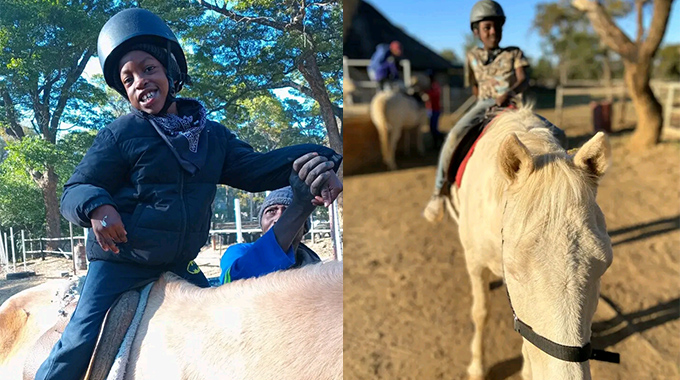
“A horse’s walk produces a three-dimensional movement that closely mimics the natural movement of a human being,” Burgess explained.
“This allows us to place a child who may not be able to walk or even sit independently onto a horse.”
As the horse moves, the child’s muscles are gently engaged, building strength, balance and muscle memory. Beyond the physical benefits, the experience brings something just as important — joy.
“These rides offer moments of calm and freedom. For many of the children, it’s something they have never experienced before,” said Burgess.
Horses, she added, have an almost instinctive ability to connect with people. Highly intuitive and sensitive, they often mirror human emotions, making them especially effective when working with children who have experienced trauma.
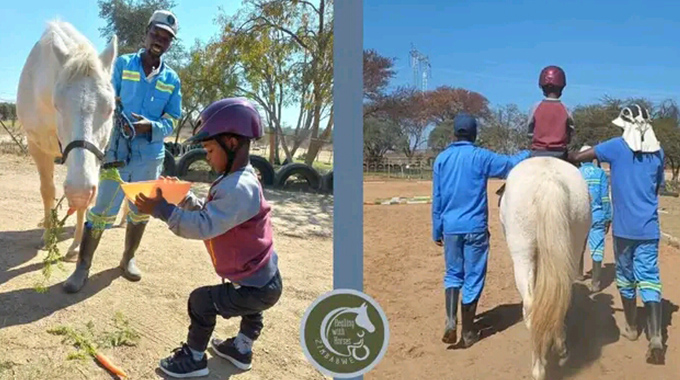
“They offer a non-judgemental presence. A child can connect, feel safe and begin to rebuild self-worth and confidence. Over time, many of them learn to trust again and find their place within the community,” Burgess said.
To ensure the highest standards of care, the organisation’s staff and volunteers are trained in therapeutic riding through the Professional Association of Therapeutic Horsemanship International (PATH), a global body that accredits facilities and certifies instructors working with people living with disabilities.
The name “Healing with Horses”, Burgess said, was deliberately chosen to keep the concept simple and accessible.
“Many people don’t understand what equine-assisted services are, but they understand healing — and they understand horses,” she said.
Despite its success, the organisation faces persistent challenges. Securing adequate funding to employ additional staff and buy enough hay to feed the horses remains a constant struggle. Poor road access to the centre, especially during the rainy season, often makes it difficult for volunteers and children to attend sessions.
Yet, for Burgess and her team, the rewards far outweigh the obstacles.
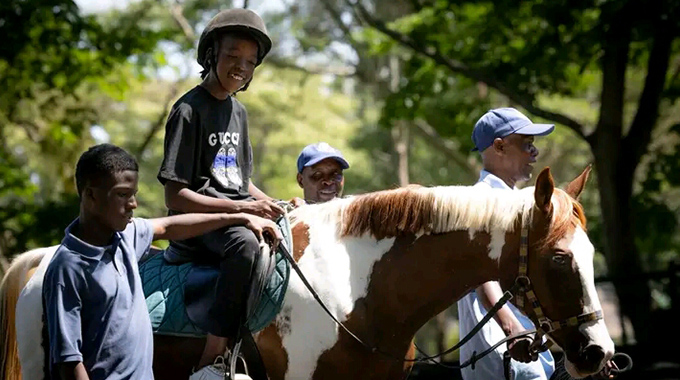
“Our greatest achievements are the smiles on the children’s faces. Seeing them grow stronger physically and emotionally, watching their confidence blossom — that is what keeps us going,” she said.
In Kensington, healing does not come in the form of medicine or machines.
It comes on four legs, at a gentle walking pace — reminding children, families and communities alike that ability is not defined by limitation, but by possibility.