Online Reporter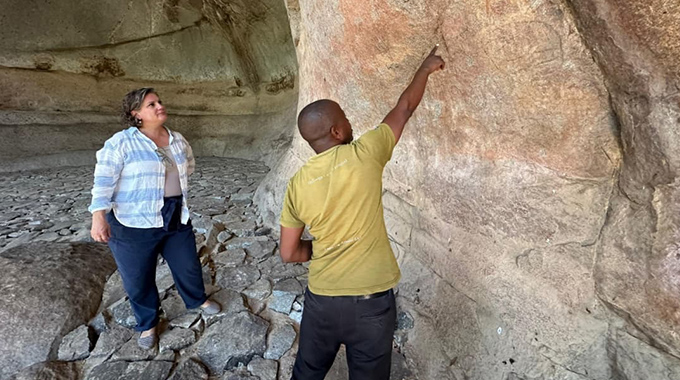
Mbulelo Mpofu, [email protected]
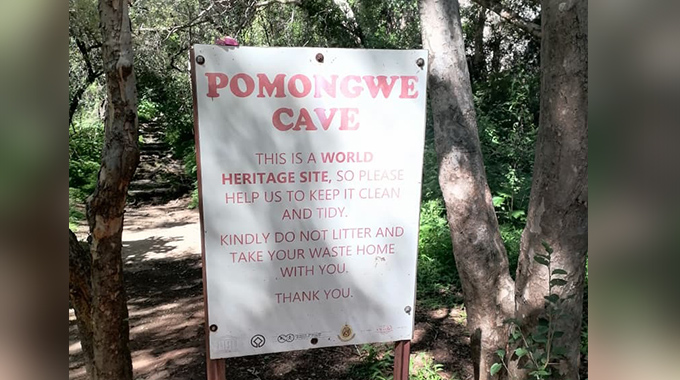
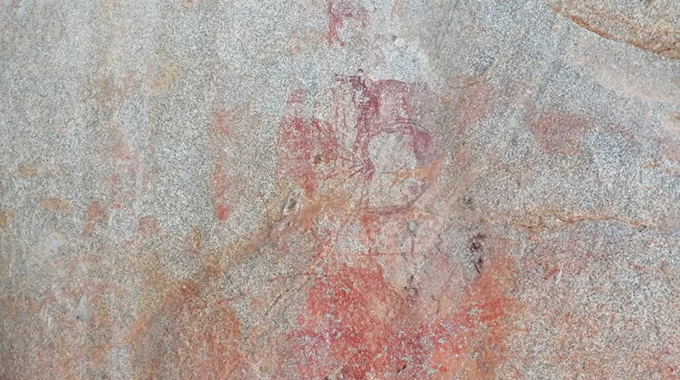
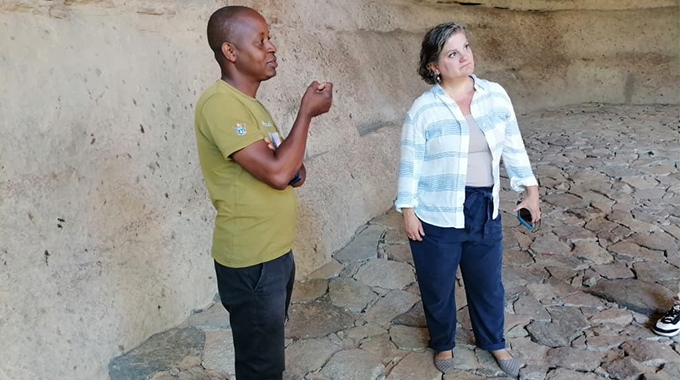
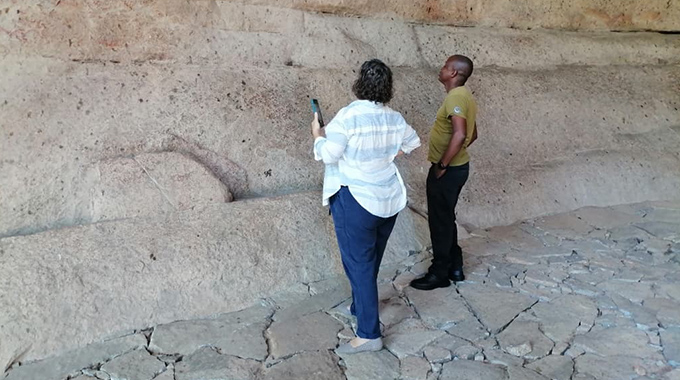
HAVING taken over from Rebecca Archer Knepper as the Public Diplomacy Officer at the US Embassy in Zimbabwe, Kiera Emmons has hardly paused for breath. On Wednesday, she made her very first trip to Matabeleland, eager to see the progress of an Ambassador’s Fund for Cultural Preservation (AFCP) project at Pomongwe Cave, home to some of the world’s most captivating ancient San Rock art.
Her first journey outside Harare didn’t feel like a formality — it felt like a genuine commitment. Emmons wants to understand Zimbabwe’s heritage by being present, by walking its paths and seeing its stories where they were first written in stone.
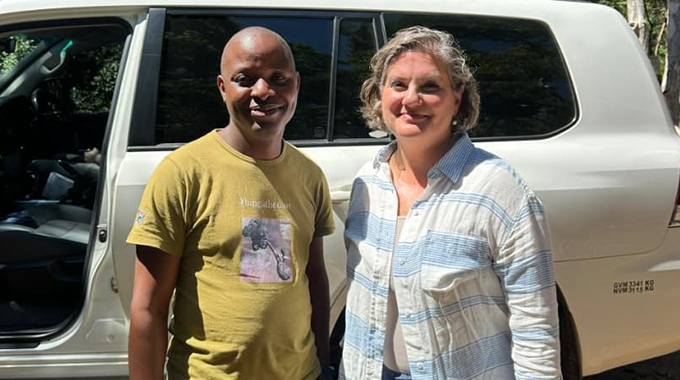
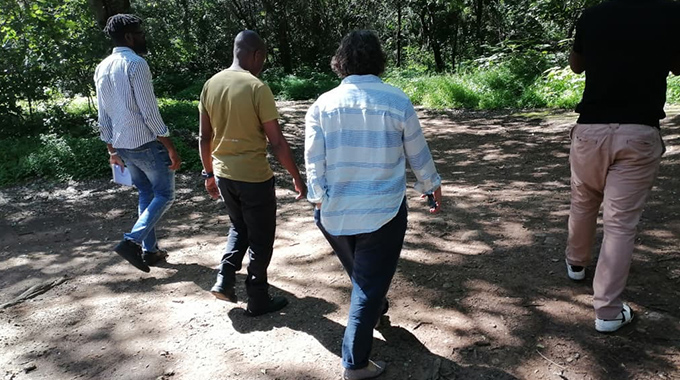
She travelled with Stanley Nyamagodo, the assistant curator responsible for historic buildings and the Matopo Heritage Site at the Natural Museum of Zimbabwe. They were joined by the US Embassy’s Public Engagement Co-ordinator; Butholezwe Nyathi, and Experiential Learning Co-ordinator; Kenneth Mangemba. Together, they examined the preservation work unfolding at the site.
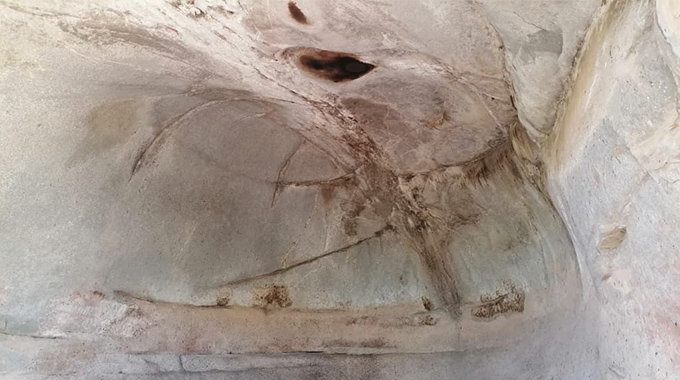
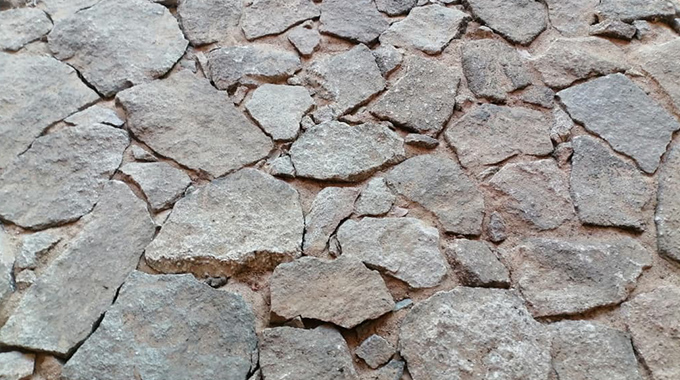
Emmons’ attention went straight to the newly laid rock paving at the cave’s entrance — a simple but clever way to prevent dust from drifting inside and settling over the precious rock paintings. It is the kind of small, thoughtful change that helps keep centuries-old art alive.
The project itself represents a meaningful US contribution — a US$125 000 grant from the Bureau of Educational and Cultural Affairs, delivered through the AFCP. But beyond the numbers, the effort speaks to something larger: a desire to encourage communities to value and protect the cultural treasures that make the Matobo Hills a Unesco World Heritage Site.
Speaking during an exclusive interview, Emmons shared her feelings about the visit with visible warmth.
“I’ve been in Zimbabwe since August, but this is really the first time I’ve been out of Harare. And you know, the warmth of the Zimbabwean people and the beauty of this park that we’re in now, Matopos National Park, is just incredible.
“I can’t explain how happy I am to connect with Zimbabweans who are doing amazing things and thinking about new ways to solve old problems and how to collaborate, how the world is so interconnected, young people, people who have a lot of experience, everybody’s thinking about how to move forward. And the warmth, the kindness, just the general welcome that I have felt from everyone I’ve met has been amazing and really makes me feel like I’m in the right place.”
Her admiration for what Pomongwe represents was just as heartfelt.
“Well, here at Pomongwe Cave, you know, this is an Ambassador’s Fund for Cultural Preservation site. We have, I think, another seven or eight throughout the country that we’ve worked with Zimbabwean cultural institutions over many years. This is an important project because the stories that are told on the walls of caves are no less valid than the stories that are told in the great art galleries of the world. This is part of human heritage.”
Drawing a comparison to similar heritage sites back home, she added, “We have similar sites in the United States. And I think we’re always interested in sort of connecting the past with the present and hopefully the future too. And what this site is, what this investment is designed to do is not only preserve the site as it is, but keep it open, keep it available for future generations to learn from and study.
“You know, even now in 2026, we can study historical sites in ways that 100 years ago, nobody could imagine. So, 100 years from now, maybe there’s a chance to learn something more about the heritage of this site.
“This is, as I understand, a world heritage site. And so I think a lot of interest will continue to be focused on what we can learn from those sites and how that can shape what we do next in terms of the cultural conversation globally.”
Yet her Matabeleland excursion is just one part of a broader, lively introduction to her new role. Earlier, she moderated a vibrant discussion titled “The Business of Comedy”, featuring Zimbabwean comedians King Kandoro and Ngonidzashe Munetsiwa, along with Kenyan stand up comedian and satirist Justine Wanda.
The conversation explored comedy not simply as entertainment but as a growing creative industry with economic influence — a space where storytelling, humour, and social commentary converge.
It fits neatly into the Embassy’s strategy of “pairing American leadership insights with Africa’s rising talent”, a sign of its intention to amplify creative voices and help Zimbabwe’s artistic industries expand.
Emmons is also immersing herself in Zimbabwean culture in quieter, more personal ways. As a vegetarian, she has embraced local cuisine, happily tucking into a plate of isitshwala with vegetables and whichever side she feels like on a given day. It’s a simple detail, but one that says a lot about her willingness to connect with the everyday life of the communities she serves.
The Pomongwe preservation project itself stands on strong foundations of partnership. The Friends of the Museum of Human Sciences have contributed essential community support.
The Amagugu International Heritage Centre has brought deep cultural knowledge.
The University of Zimbabwe’s History, Heritage and Knowledge Systems Department has added academic weight, while the National Museums and Monuments of Zimbabwe and Unesco have both played key roles in offering technical and advisory expertise.
After spending time with Emmons during the site visit, AIHC Director Allington Ndlovu spoke with confidence about the future.
“The AFCP is one of the reasons why Amagugu and the community of Ward 17 in Matobo now continue to celebrate the intersection of the available visual artistry and Rock Art. Today (Wednesday), we got a chance to visit Pomongwe Cave, one of the sites being attended through paving as a preservation mechanism to the declining under-threat cultural heritage in the form of Rock Art,” he said. —@MbuleloMpofu