Online Reporter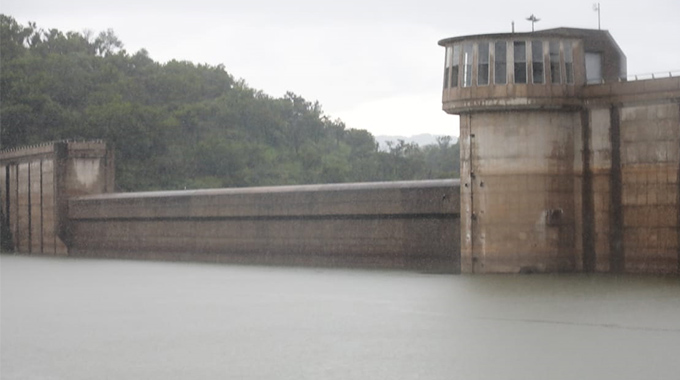
Raymond Jaravaza, [email protected]
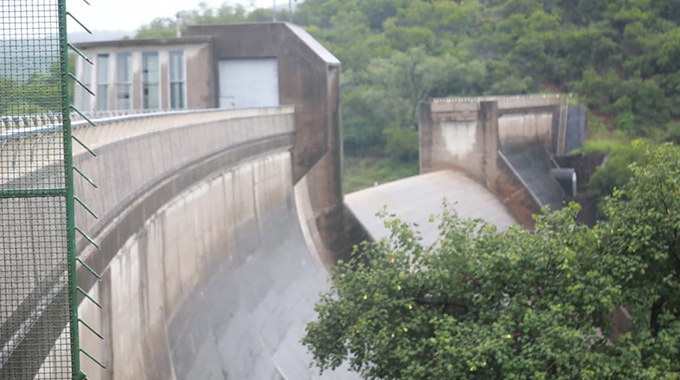
STANDING on the dam wall of Upper Ncema in Esigodini, one hears it before one sees it — the eerie chorus of hand‑held hammers striking rock and the low growl of a hammer mill drifting across the water like ghostly machinery.
Beneath the thick veil of rain‑soaked vegetation, illegal gold panners toil on, their silhouettes flickering between the trees as they tear at the earth with unbroken resolve. Even in a storm, they dig; even as the dams shrink, they swirl river water through their pans, letting it wash away the worthless and cradle the gold they hope will change their lives.
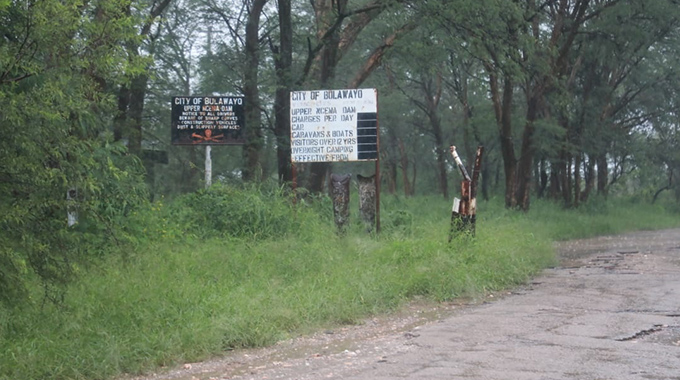
A Saturday Chronicle news crew spent the day tracing those tributaries, following the sounds and the scars they leave, trying to understand why Upper Ncema and Lower Ncema — vast reservoirs that should be swelling after heavy rains — remain stubbornly half‑empty. The search led straight into the hidden heart of illegal gold‑mining territory, long blamed for choking Bulawayo’s supply dams before they could ever spill.
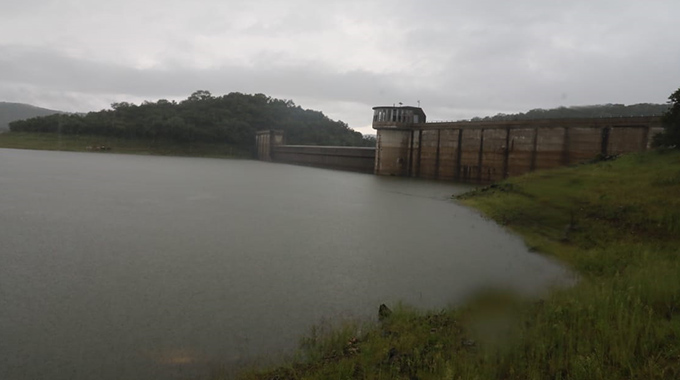
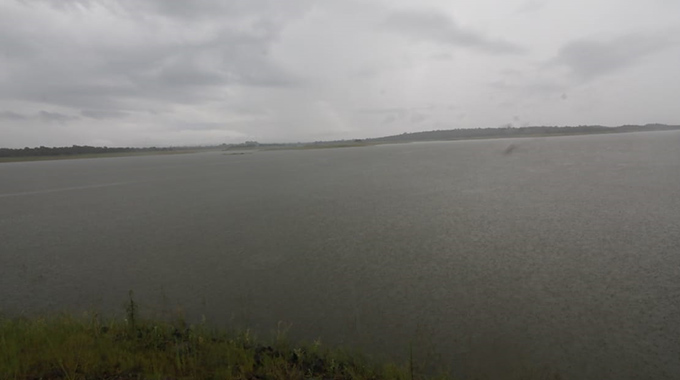
While dams in Matabeleland South — Mtshabezi, Zhovhe and Silalabuhwa — have celebrated spill overs after the rains, Upper Ncema and Lower Ncema languish below half capacity. Residents of Bulawayo had looked skywards with hope as downpours drenched the city, only to later receive the Zimbabwe National Water Authority’s (zinwa) disheartening statistics. As of yesterday, Upper Ncema stood at 40,4 percent capacity, Lower Ncema at 37,4 percent — numbers that do little to soften the sting of water shedding.
Illegal panners are wary of strangers, especially those carrying cameras or recording equipment. But a few, after some persuasion, agreed to speak — and remained adamant that their activities were not to blame for the low water levels.
“How are we stopping the dams from filling up with water when it is raining so much here in Esigodini? We don’t even use cyanide to process our gold, so the quality of the water in the dams also should not be blamed on us. Most of them are into riverbed gold mining and we barely dig trenches that could be blamed for disrupting the flow of water into the dams,” said a miner who identified himself as Mthokozisi.
For another panner, known only as Rasta, the rains disrupt their trade more than anything.
“It’s hard to work when it’s raining so hard. We can’t risk our lives digging for gold in the river when it’s raining like this.
“Obviously, our work is illegal, so we will be blamed for everything from damaging the environment to being the reason why the dams don’t fill up. At the end of the day, we all have to survive, and our only source of livelihood is gold panning,” he said.
When asked whether he understood that low water levels at Upper Ncema and Lower Ncema led to water shedding in Bulawayo, Rasta appeared unmoved and perhaps puzzled.
“Why can’t the Bulawayo City Council build a dam in Bulawayo to fix the water problem?” he asked. “This whole forest is full of gold panners and we have no other choice but to dig for gold,” he added.
Bulawayo Mayor Councillor David Coltart sees things very differently, pointing squarely at rampant illegal mining as the cause of the dwindling water levels in the city’s supply dams. Despite the Government’s ban on alluvial mining, illegal operations continue unabated along key river systems feeding the dams.
“The Umzingwane Dam is only 30 percent full, compared to Mtshabezi dam, which is 100 percent full with minimal mining in its catchment area,” he said.
The mayor warned that the illegal miners appear to be operating with impunity, noting large makeshift camps with little sign of Environmental Management Agency (EMA) or Zimbabwe Republic Police (ZRP) patrols.
“Government needs to bring this existential threat to an end immediately, otherwise Bulawayo’s water crisis will continue, indeed worsen,” he said.
Yet in Esigodini’s bustling centre, the gold panners are seen through a different lens — not as environmental threats, but as valued customers.
“They bring us good business. They have a peculiar taste in the clothes that they wear, which is why the jeans and T-shirts that we sell are almost identical in all the local clothing shops. It’s easier for authorities in Bulawayo to blame them for the city’s water problems but to us here they are customers who keep our businesses afloat,” said storekeeper Ruth Sibanda.
Environmentalists, however, offer a stern warning. Evelyne Mthimkhulu, whose organisation has long pushed for stronger laws against alluvial mining, believes the consequences of years of unchecked illegal activity are finally catching up with Bulawayo.

“It’s not by mistake that our dams have not received the inflows they require over the past few years. Last year, despite normal rains, our dams remained low. While other dams around the country and in some traditionally dry areas such as in Matabeleland North are spilling, Lower Ncema and Upper Ncema are struggling to reach 50 percent capacity,” she said.
She added that the primary culprit remains illegal mining along river systems.
“The major reason for the low water levels at the two dams is largely due to illegal gold panning along the river systems. Government must enforce the law banning all river and riverbank mining as a matter of urgency,” she said.
Illegal mining, particularly artisanal gold panning, has surged across Zimbabwe in recent years, leaving a trail of environmental destruction and threatening already fragile ecosystems.
And unless strong action is taken, experts warn, the damage to the country’s water security could become irreversible.