admin
admin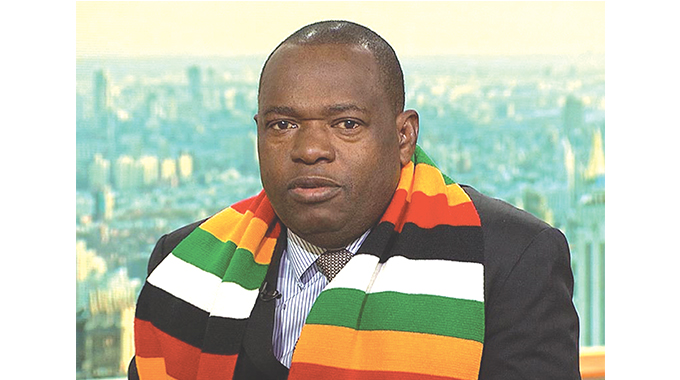
Hazel Marimbiza
IN July a 44-year-old woman, Tendayi Magwata, left many people on social media hurt after revealing that her cancer treatment abruptly ended when the only radiotherapy machine in the capital, Harare, stopped working.
“I discovered that there are 500 people sitting at home right now waiting for radiotherapy because of broken machines. It’s not just me. It’s not just a handful of people but it’s a lot of people. Having had personal experience of the pain and agony that you go through, going through chemo, surgery, raising money for treatment, the overall impact on your family, just to then fall at the last hurdle because these facilities don’t exist, that really struck a chord with me,” said Magwata.
Magwata represents many people suffering from breast cancer, whose situation is further worsened by the country’s inability to purchase hospital machinery and spare parts for existing machinery in Europe due to sanctions imposed on the country.
Ugandan researcher Ogbonna Chidiebere in his research states that sanctions have affected healthcare support projects and initiatives provided by donor agencies. For example, the Swedish Government health initiative founded in 1997 and funded to the tune of 50 million SEK, sought to improve water and sanitation, education, the living condition of disabled people in Zimbabwean society. In addition, it also sought to mitigate the spread of HIV and other related diseases, but it was later suspended by the Swedish government following EU sanctions.
Furthermore, the Danish International Development Agency (Danida) suspended its Health Sector Support Programme to Zimbabwe valued at 235 million DKK. The programme was established in May 2000 to support healthcare services in rural areas of Zimbabwe through the Ministry of Health and Child Welfare (MoHCW). These programmes were suspended not because the governments of the donor countries (Sweden and Denmark) were no longer interested in funding the projects, but rather because they adhered to the EU sanctions directives, which urged member states to desist from making funds available to the government of Zimbabwe.
“Several years of economic challenges have reduced the capacity of the health system to provide comprehensive care for patients. Challenges of affordability, availability of drugs and accessibility of treating facilities impede engagement of patients into treatment and care,” said Chidiebere.
Zimbabwe is facing challenges with treating cancer because most health facilities do not have capacity to conduct all the staging and monitoring investigations and provide the drugs that are needed by patients, mostly chemotherapies and analgesics for pain management.
According to research most patients and health workers have reported that the radiotherapy machine had frequent breakdowns and there was no back-up for this machine as it is a very expensive piece of equipment.
While the region has begun preparations for activities that will be held on 25 October in solidarity with the country against economic sanctions imposed by Western countries nearly two decades ago, one cannot ignore the negative impact these sanctions have had on the health sector.
According to the Ministry of Foreign Affairs and International Trade, the deteriorating economic environment caused by sanctions resulted in the failure by Government to recapitalise hospitals, with available equipment breaking down more frequently due to lack of technical support from manufacturers.
Since Government could not raise adequate foreign currency, the costs of procuring equipment and drugs/medicines also became expensive as it had to be done through middle men.
“International sanctions are a weapon of mass destruction and causing untold suffering to the population, rather than its leadership. Far from the claim that sanctions are ring-fenced and targeted on a few individuals, the reality on the ground is that the tight grip of the declared and undeclared sanctions is being felt throughout the whole economy,” said Foreign Affairs Minister Sibusiso Moyo in a statement.
Minister Moyo’s explanations are evidenced by several media reports showing the deteriorating state of the machinery in the country’s hospitals, and in worst cases resulting in breast cancer patients going without treatment or having their treatment programmes disrupted.
The Ministry of Foreign Affairs and International Trade said sanctions had effectively hampered the Government’s efforts to implement its development agenda and generally resulted in devastating effects on the whole economy of Zimbabwe.
It is against this background that Sadc leaders adopted October 25 as the Day of Solidarity with Zimbabwe at their Heads of State and Government Summit in Tanzania last year to add impetus to the country’s campaign to have the economic embargo removed.



 Online Reporter