

 admin
admin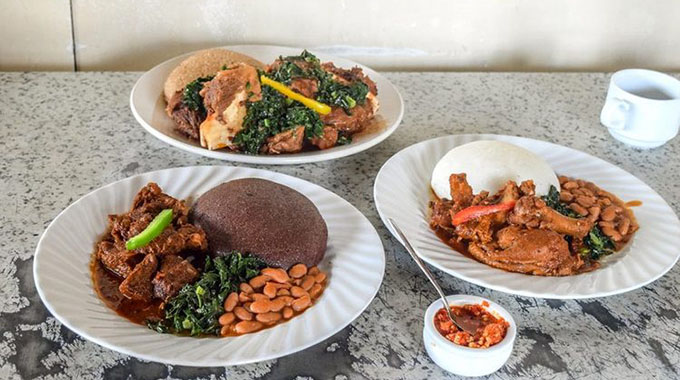
Rumbidzayi Zinyuke Health Buzz
Chronic diseases such as diabetes, hypertension, asthma, cancer and others, are among the most prevalent diseases in Zimbabwe today.
Not only are these diseases affecting the elderly as they used to, but they also affect children.
These diseases account for more than 30 percent of all deaths in the country, twice as much as they did 20 years ago.
Worldwide, at least 23 million people die each year from non-communicable diseases (NCDs), with a 27 percent rise in new cases expected across Africa by 2030.
However, many chronic diseases are caused by key risk behaviours so letting go of habits such as excessive smoking and drinking alcohol can significantly reduce the likelihood of getting the disease.
While for some, these diseases are hereditary, there is always a way of preventing their early onset or slowing down their progression.
Of course, screening regularly to determine if one has a disease is one way of detecting it early on and initiating treatment.
Due to the poor health seeking behaviour of most Zimbabweans, sometimes these diseases are only discovered at a very late stage.
In the case of cancers, some are discovered when they have already spread to other organs while diabetes can be discovered when one has entered a diabetic coma.
The same can be said for many other diseases.
However, for most of these diseases, a healthy lifestyle can be the difference between frequent visits to the hospital when under attack or living a normal life.
People always confuse a healthy lifestyle with buying expensive foods and paying big sums of money to join a gym so that they can keep fit.
A change in the lifestyle one leads could be the answer.
For example, regular physical activity can help to prevent, delay, or manage chronic diseases. Going to the gym is not the only way to get physically active; one can run, cycle, swim or even walk around the neighbourhood to get in at least 30 minutes of exercise a day.
Letting go of some habits such as smoking and drinking alcohol can also give one a chance to fight off chronic diseases.
Such changes can reduce the risk of developing heart disease, cancer, type 2 diabetes, and lung disease among many others.
A balanced, healthy diet can also help to prevent these diseases and also for the management of those that have already been diagnosed.
Getting a healthy diet does not involve buying fancy foods and the so-called sugar free or non-fat products.
Most people have a belief that some of these unhealthy expensive foods are a show of class. People buy refined white maize meal because they think eating whole maize meal (mugaiwa) is beneath them. But the process of refining removes most of the nutrients and leaves behind only starch which is not good. As a result of this ignorance, there has been a rise in the prevalence of chronic diseases.
Eating a meal that contains all the nutrients in good portions is the key.
Zimbabwean traditional dishes can easily offer these nutrients to a chronic disease patient and everyone else who is conscious of their health.
And they are easily accessible, particularly for those with farming space who can grow their own food, according to Ms Tarisai Chigwedere, executive director of Light of Dawn, an organisation that seeks to raise awareness on non-communicable diseases and advocates for the increased uptake of traditional foods to tackle these diseases.
Ms Chigwedere, a retired nurse, says there is a gap in the advocacy around diabetes and other chronic illnesses while more effort has been channelled towards diseases such as HIV.
“In my experience of working at a community clinic I noticed an information gap in the communities,” she said. “A lot of patients with a history of diabetes would come in with a hyper or hypo-glycaemic comma. People would first take these patients to traditional healers as they believed that they were bewitched.
“We have been focussing on introducing healthy and traditional diets as a way of preventing and controlling NCDs. We have seen that these diseases have become silent killers so we are pushing for the communities to adopt healthier diets.”
Ms Chigwedere said with a good diet, a pre-diabetic patient was not likely to develop diabetes hence there was evidence that diet could be used to manage and prevent NCDs.
Nutritionists have said people battling non-infectious diseases need to monitor their diets more closely, consuming more of whole unprocessed traditional foods.
Such foods include whole grains with roughage such as mhunga (pearl millet), mapfunde (sorghum) and zviyo (finger millet).
Natural vegetables like nyevhe (spider flower leaves), muboora (pumpkin leaves), munyemba (cowpea leaves) and mowa (wild spinach) are also recommended.
For protein, meat in small quantities is recommended although it is advisable to eat more white meat than red.
It has been proven that most foods produced using the industrial model–both crops, vegetables or fruits and meat–use too many chemicals, medicines, processed animal feeds, which might contain cancerous agents and other toxins.
So this is why communities are now slowly taking up the traditional diets being advised.
“People have been really taking what we are teaching them and implementing it,” said Ms Chigwedere.
“In the past, they did not know the benefits of traditional foods but we have slowly been seeing them, especially those with diabetes, hypertension and other diseases, start to eat these whole foods. And they are reporting that since they started eating healthy, they have not had a hyper or hypo glycaemic comma.”
The challenge for those who cannot grow their own food and have to buy everything, is that traditional foods are still very expensive in Zimbabwe.
Supermarkets charge three times more for a 2kg pack of sorghum or millet mealie meal than they do for a 10 kg pack of refined maize meal. This then means people will go for the cheaper option which will last longer.
Government has been encouraging farmers to grow small grains as part of efforts to mitigate against climate change.
This could be the best way of introducing these traditional foods into the diets of most Zimbabwean families as they will become cheaper.
In the process, they will be protected from some of these chronic diseases.
For Mrs Debra Kavande, who has been living with body-aligned diabetes for five years, traditional food has helped her to manage her condition with very few complications.
“Since being diagnosed five years ago, I took a deliberate stand to make sure that I eat healthy food,” she said. “Whenever I realise that I am about to enter a hypo-glycaemic coma, I eat some natural fruits such as masawu and my sugar levels go back to normal.
“Some of these foods are not expensive so I usually keep them at hand. We have foods like okra which one can plant at home, pumpkins, tamarind is available in most homes, avocado and carrots.
“One can actually have a garden even in cities where there is limited space and you will avoid going to supermarkets.”
Nutritionists recommend that people should be taking only 25 percent of starch from foods like sorghum, millet, sweet potatoes or traditional rice.
Another 25 percent of protein may be sourced from meat, chicken and other protein rich foods. Fruits and vegetables should constitute 50 percent of the diet.
However, changing one’s diet might be a harder path to take although the benefits are definitely evident. It will take time, but it is worthwhile to try.
Feedback: [email protected]



 Online Reporter