Online Reporter
Sikhumbuzo Moyo, [email protected]
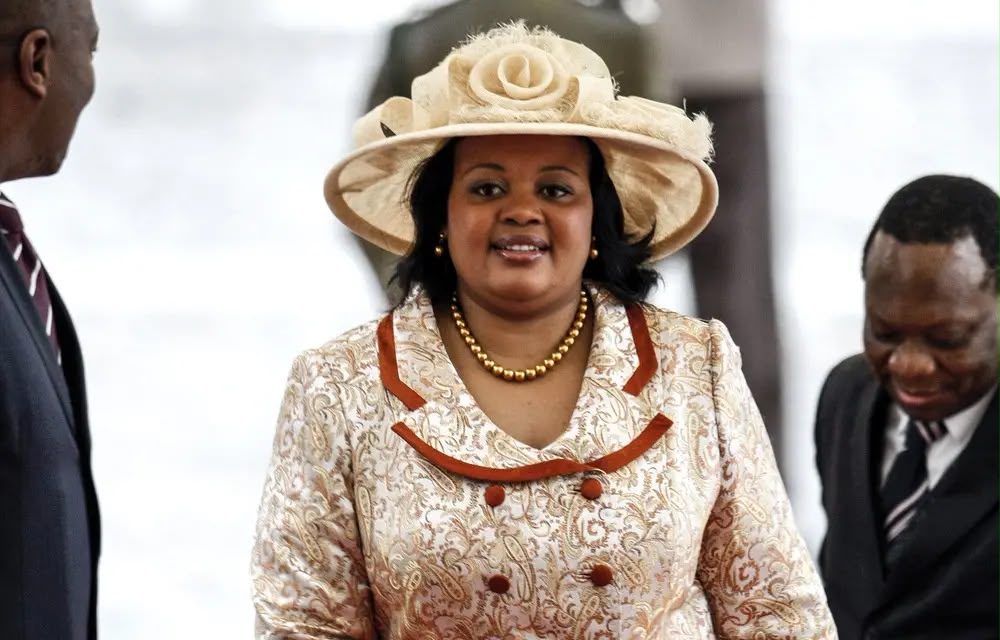
A NATION cannot attain social harmony if its public health institutions remain in a state of disrepair, Bulawayo Minister of State for Provincial Affairs and Devolution, Judith Ncube, has said.
Speaking during a tour of rehabilitation works at Mpilo Central Hospital, Minister Ncube said sustainable development depends on a healthy workforce, which in turn requires investment in healthcare infrastructure and personnel.
The rehabilitation works at Mpilo Central Hospital are being undertaken by Prevail Group of Companies on behalf of the Government as part of broader efforts to modernise the country’s public health institutions.
Minister Ncube said Zimbabwe began implementing the National Development Strategy 1 (NDS1) in 2021 under the leadership of President Emmerson Mnangagwa, laying the foundation for infrastructure development, policy reforms and institutional strengthening required for the country’s transition to an upper-middle-income economy.
“Today, we stand at the dawn of the next phase — NDS2. Also launched by His Excellency, NDS2 is the vehicle through which Zimbabwe will consolidate the gains of NDS1 and accelerate progress toward the full realization of Vision 2030 by the end of this decade,” said Minister Ncube.
She said the next phase of development places emphasis on human capital development, infrastructure modernisation and inclusive prosperity, with healthcare infrastructure identified as one of the key pillars.
“Among its guiding objectives is the imperative to build a strong, modern, and resilient infrastructure base across every sector of the economy, including health,” she said.
Minister Ncube said national development is driven by the health and productivity of the people, adding that no country can attain upper-middle-income status on natural resources alone.
“It is therefore no coincidence that public health infrastructure has been prioritised in the transition from NDS1 to NDS2. This is not incidental — it is a deliberate strategic choice. It is an investment in the very foundation upon which every aspiration of Vision 2030 must stand,” she said.
She said the Government had placed health at the centre of its human capital development agenda because a healthy population is essential for industrialisation, investment and social stability.
“A nation cannot industrialise if its people are not healthy. A nation cannot attract sustainable investment if its workforce is unwell. A nation cannot achieve social harmony if its public health institutions are in a state of disrepair. These are not mere aspirations — they are developmental truths,” said Minister Ncube.
She said the hospital rehabilitation programme is aimed at achieving three major national outcomes — creating a healthy and productive population, strengthening human capital and accelerating economic transformation under NDS2 and Vision 2030.
Minister Ncube said the rehabilitation of Mpilo Central Hospital should be viewed as part of a wider national health sector reform strategy rather than as an isolated project.
“The rehabilitation of Mpilo Central Hospital is a tangible expression of the broader national effort and must not be viewed in isolation, but rather as part of a comprehensive health system reform programme that spans all levels of care — from the smallest rural clinic to the largest central hospital,” she said.
The Government’s ongoing rehabilitation of public hospitals is expected to improve service delivery, modernise infrastructure and restore public confidence in the health sector as the country pushes towards the attainment of Vision 2030.