

 Chronicle Editor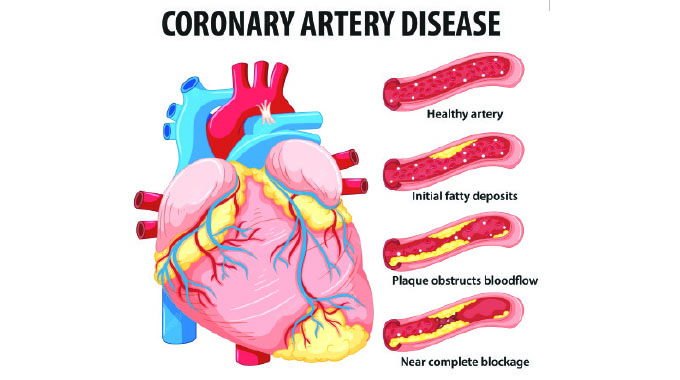
Maria Moyo-Boma
THE number of people in Zimbabwe suffering from heart ailments is escalating.
According to the World Health Organisation data published in 2018, coronary heart disease deaths in Zimbabwe stood at 5 896 or 4,96 percent of total deaths.
Heart-related fatalities have even been worse globally, according to Belinda Pfende, the head of Stroke Organisation Zimbabwe (SOZ).
“Cardiovascular diseases are the leading cause of death globally, with 75 percent of them being in middle and low-income countries like Zimbabwe. Thirty-nine percent of deaths by non-communicable diseases are due to cardiovascular diseases,” Pfende told Anadolu Agency.
“In Zimbabwe, there is an increase in cardiovascular diseases due to behavioural risk factors such as tobacco use, unhealthy diet and obesity, physical inactivity and harmful use of alcohol,” the Anadolu Agency says.
Today we take a look at a disease that is silently causing havoc in our society. It is less talked about and an easily acceptable cause of death. To the survivors it leaves behind a trail of complications and its victims hopeless and uncertain of the future.
Its victims often do not understand the cause and probably are not aware of its preventive measures.
Those who have been affected will tell you it is their first time to see such a condition. The old saying says it all — knowledge is power.
During the Covid era, everyone knew when to worry! It is that knowledge of knowing when to worry that I will like to share with you. In any disease or condition, it is very important to know when to worry, when to visit the doctor, when to use over the counter (OTC) medication and when to stop, when to think of getting tested.
The earlier one knows what is wrong with their body the better. However, there are some illnesses which start suddenly on an otherwise healthy individual. It is also important to know what to do in case you find yourself in such a situation. It can be you, your colleague or your next of kin.
We take a look at coronary heart disease (A type of heart disease where the arteries of the heart cannot deliver enough oxygen-rich blood to the heart).
A heart attack occurs when one or more of the coronary arteries, which supply blood to the heart muscle suddenly gets blocked and a section of the heart muscle, depending on the affected artery, can’t get enough oxygenated blood. The blockage is usually caused by a ruptured plague.
A heart attack is a medical emergency. Time is muscle. If the blood flow is not restored quickly it can lead to muscle death. Blood flow can be restored by administering medication that dissolves the clot or use of a catheter to physically open the blockage.
There are three main coronary arteries supplying the heart muscle. The right coronary artery supplies the right side of the heart. The left side is supplied by two arteries, the main one called the Left anterior descending artery.
Any blockage to any of these arteries causes death of the muscle on the side supplied by that particular artery.
When the plague obstructs the blood flow in an artery it causes stagnation of blood leading to clot formation.
The clot causes sudden blockage of blood flow in the artery leading to a heart attack.
Possible causes of heart attack
Age
The majority of people who die from heart attacks are 65 years and older. However, it can happen even to the young. I have seen a 24-year-old who got a heart attack. This means anyone coming with symptoms needs to be treated and investigated until proven otherwise.
Gender
Men have a higher risk of developing heart attacks though women have a higher risk of dying from the heart attack.
Hereditary
Children of heart attack sufferers are more at risk of developing heart disease themselves. Many people with family history also have one or more risk factors. Which is why it is important to have investigations done whether you have signs or not. It is therefore, important to control and treat the modifiable risks.
Modifiable risk factors
Cigarette smoking
Smokers have a higher risk of developing coronary heart diseases than non-smokers. Cigarette smoking interacts with other risk factors to greatly increase the risk of coronary heart disease.
High blood cholesterol
One’s risk of coronary disease increases as blood cholesterol rises. A person’s cholesterol is also affected by age, sex, heredity and diet. Visit your doctor to have your cholesterol checked. Combined with blood pressure and cigarette smoking, this risk increases even more.
High Blood pressure
High blood pressure increases the heart’s workload causing the heart muscle to thicken and become stiffer. This increases your risk of heart attack and stroke.
Physical inactivity
Physical inactivity increases the risk of coronary heart disease. Regular physical activity helps control diseases like high cholesterol and high blood pressure.
Obesity
People who are obese are more likely to develop heart disease. Greater sustained weight loss can improve high blood pressure, cholesterol and diabetes.
Diabetes
Diabetes increases the risk of heart disease. Even with controlled blood sugar there is still an increased risk and becomes more with uncontrolled blood sugar. If you are diabetic, make sure to work with your doctor to keep your blood sugar controlled. If you have access to visit a cardiologist for a check up please do so regularly.
Other factors
Stress
People with stress may over-eat, start smoking or smoke more than they otherwise would. Individual response to stress may be a contributing factor to heart disease.
Alcohol
Drinking too much alcohol can raise blood pressure, increase your risk of enlarged heart and other diseases. Excessive intake of alcohol contributes to high cholesterol, obesity and heart rhythm issues.

Diet and nutrition
What and how much you eat can affect other risk factors like cholesterol, high blood pressure, diabetes and being overweight. A healthy diet is one of the best weapons you have to fight heart diseases. Choose a diet that emphasises vegetables, fruits and whole grains.
Vegetables and fruits, like other plant-based foods contain substances that may prevent cardiovascular diseases.
Whole grains are good sources of fibre and other nutrients that play a role in regulating blood pressure and heart health.
Use a small plate or bowl to regulate portion size.
Reduce refined and processed foods.
Keep fruit in a bowl in your kitchen so that you remember to eat it. Choose low fat protein.

Signs you may be having a heart attack
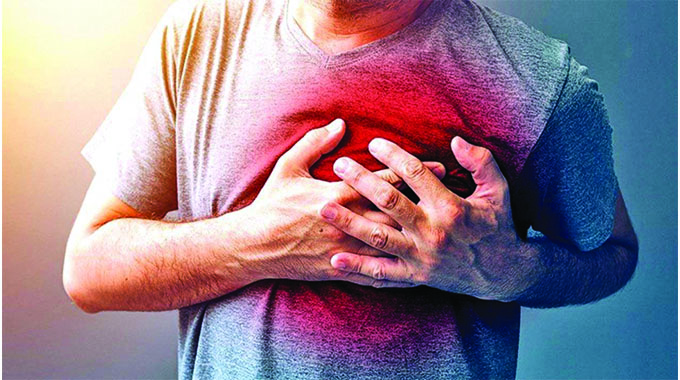
Sudden onset of crushing chest pain or pressure and/or discomfort or pain elsewhere in the upper body, neck or left arm
Feeling like vomiting
Cold sweat
Fainting or light-headedness
Shortness of breath
What to do when you suspect you have a heart attack
The first step in treating a heart attack is to restore blood flow to the heart as quickly as possible. The heart muscle depends on oxygen, the longer it stays without oxygen the more permanent and widespread the damage.
Heart attack is a medical emergency. Even if you are not sure it’s a heart attack, call an ambulance or find means to get to the hospital as soon as possible. Time is muscle — every minute you are losing a heart muscle take an Aspirin tablet if you have.
What to expect once you get to the Hospital
Medication to dissolve clot
You will be given medication to dissolve the clot and other medication according to hospital protocol. The medication helps to dissolve the clot but does not open the blockage. So after the medication the person still needs to have the blockage opened by use of coronary angioplasty.
Coronary angioplasty
A procedure in which the affected artery is opened up from inside using a special balloon inserted through your groin or wrist. The artery may be kept open with a special metal tube (Stent) left inside the artery. (However, this important procedure is not yet available in Zimbabwe)
In more severe cases a Coronary Artery Bypass Graft surgery may be indicated. This is an open-heart surgery done to redirect the blood flow by bypassing or going around the blockage with use of veins from the legs. This is done in Harare.
Complications of heart attack
Heart failure
Your heart may have difficult pumping blood due to the damage to the heart muscle disrupting electrical signals
Heart attack can lead to cardiac arrest (Heart attack is a blockage of the artery caused by a blood clot or ruptured plague, cardiac arrest affects the electrical system that controls your heart rate and rhythm, when affected the heart stops beating).
Irregular beat. A person can experience an irregular heartbeat and a feeling of flattering in their chest. This increases the risk of having a stroke or heart failure because blood can stall in the chambers and create clots.
Prevent heart attacks
You are never too young to worry about a heart attack. It can occur at any age. Start with an assessment of your risk factors. Work with your doctor to address the risk factors to reduce developing coronary heart disease.
Make prevention of heart disease a priority whether you are in your 20s or 60s.
Remember, time is muscle, when you have a heart attack get to the nearest health facility as soon as possible.
Take home
Heart disease is very dangerous, but it can be prevented in many cases. Everyone would benefit from maintaining a hearty-healthy lifestyle, but it’s particularly important for those with increased risks.
Proverbs 4:23 “Above all else, guard your heart. For everything else flows from it.”
λ Maria Moyo-Boma (RN, Cathlab Nurse)



 Bongani Ndlovu
 Online Reporter