

 Chronicle Editor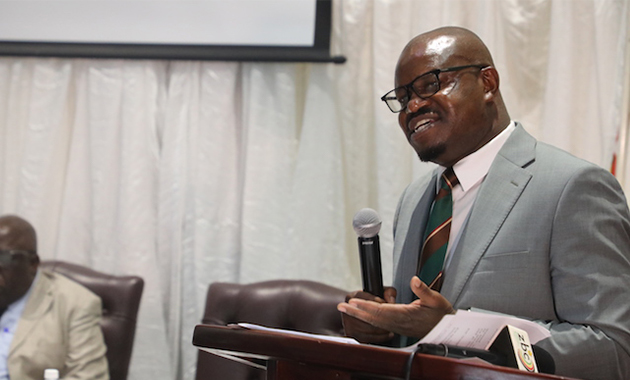
Sikhumbuzo Moyo, [email protected]
INFORMATION, Publicity and Broadcasting Services Permanent Secretary Mr Nick Mangwana yesterday implored the media to desist from inciting conflict in their reportage on the Gukurahundi issue.
There has been progress made towards the launch of the Gukurahundi public hearings, which are expected to start in the first quarter of the year.
The public hearings, which will be led by chiefs in their communities, aim to address the legacy of Gukurahundi, a period of violence and conflict that affected some parts of Matabeleland and Midlands provinces in the 1980s.
Speaking during a two-day media sensitisation workshop on the Gukurahundi hearings in Bulawayo yesterday, Mr Mangwana urged journalists to report responsibly on Gukurahundi to help solve the post-independence conflict, saying the media has a sacrosanct duty to conscientiously relay information to the public.
“We are not here to recruit you to be couriers of our propaganda. So, those who thought that they had been called by the Government and the chiefs so that they could be conveyors of propaganda must just forget it. We are not taking away your editorial independence as the media, but asking you to work with us responsibly,” he said.
Mr Mangwana called upon the media not to abandon coverage of the programme along the way, saying there may be a likelihood of stories with similar narrations being told over and over again.
“Abandoning this programme along the way would mean you would not have done justice to your nation,” he said.
Mr Mangwana said the process of engagement started in 2019 when President Mnangagwa said there was a need for people to freely speak and confront the dark past of the nation.
He said as the programme progressed, chiefs asked President Mnangagwa to launch the community consultation and engagement programme, a request which was acceded to.
“This is because the National Chiefs’ Council and His Excellency President Mnangagwa noted that this programme cannot succeed without the media. The media has a critical role to play whenever a resolution or conflict of the past is being tackled,” said Mr Mangwana.
“Yes, we know you have a double-edged sword, to either inflame it or help resolve it.”
Mr Mangwana said the media sensitisation workshop is meant to confront the positive roles that can be played by the media and urged members of the Fourth Estate to play an active role in resolving the past conflict.
Deputy president of the National Chiefs’ Council, Chief Fortune Charumbira who was representing the president of the council, Chief Mtshane Khumalo, told the panellists that members of the media and security services will not be allowed to attend hearing sessions during submissions by witnesses or victims.
However, journalists called for a review, arguing that it was contrary to calls by President Mnangagwa for people to freely speak about Gukurahundi.
Chief Charumbira said the decision to bar the media was arrived at after it was noted that there was a need to protect the dignity of victims and to make sure that they present their submissions without any fear.
After a lengthy session as panelists discussed the issue, Chief Charumbira and other chiefs left the discussion room to allow members of the media to deliberate on the matter on their own, with Mr Mangwana facilitating.
There was a general consensus from the media fraternity that those covering the hearings must undergo conflict-sensitive reporting, get accredited specifically for the hearing process, and to also adhere to certain standards that will be set by a seven-member committee led by the Zimbabwe Media Commission (ZMC) executive secretary, Mr Godwin Phiri.
Following a briefing by Mr Mangwana, Chief Charumbira acknowledged the submissions by journalists.
“However, I cannot make a definitive decision here as an individual so I will take these to our committee and the council. We shall, therefore, stand guided by what will be agreed then,” he said.
The workshop, which ends today, was organised by the Office of the President and Cabinet in conjunction with the Ministry of Justice, Legal and Parliamentary Affairs.
Various media houses represented by their editors, chiefs from Matabeleland North and Matabeleland South provinces including Chief Sikhobokhobo, Chief Nekatambe, Chief Siabuwa, Chief Mathuphula and Chief Siansali all from Matabeleland North attended the workshop.
Chief Sitauze, Chief Masendu, Chief Nyangazonke, Chief Mphini, Chief Ndube and Chief Bidi (all from Matabeleland South) were also part of the panellists at the indaba, which is part of the preparatory processes for the hearinLast month, President Mnangagwa met chiefs from the Matabeleland region at State House in Bulawayo during his fourth interface with them and reaffirmed the Second Republic’s dedication to finding a lasting solution to the emotive issue.
He said his administration is determined to ensure that the process is efficient and vigorous, with the best interests of the people in mind.
The chiefs have since crafted and adopted the Gukurahundi manual, which will guide the holding of victim-friendly public hearings, to ensure national healing as the country confronts its unfortunate past.
The manual, which is a product of inclusive engagements between chiefs and various stakeholders, is a culmination of traditional leaders’ meetings with President Mnangagwa.



 Online Reporter