Online Reporter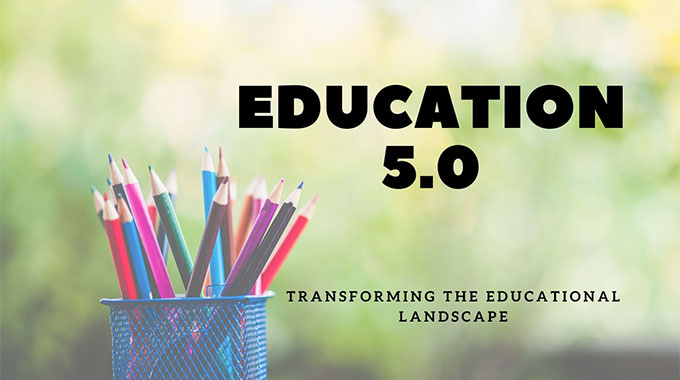
Ryan Sibanda
Bulawayo Bureau
ZIMBABWE’S heritage-based curriculum is increasingly positioned as an important catalyst towards achieving Vision 2030, with its emphasis on practical skills, innovation, indigenous knowledge and community development.
The curriculum aligns closely with the country’s Education 5.0 philosophy and the National Development Strategy 2.
The model is designed to move education beyond producing job seekers by equipping learners with skills they can apply to their communities and the economy.
Education 5.0, adding to the retained theory training, places emphasis on teaching, research, community service, innovation, and industrialisation.
The model extends these principles to younger learners by encouraging them to connect classroom knowledge with Zimbabwe’s environment, culture, resources, and everyday challenges.
Government has noted that schools such as Somvubu High in Bubi District have demonstrated the potential of rural institutions to produce talent when learners are given opportunities to develop practical abilities.
Where learners participate in conservation activities designed around local environmental challenges, the Government has commended schools that have linked such activities to curriculum and long-term environmental awareness goals.
The transformation is intended to produce learners who can become “job creators” rather than simply job seekers, Primary and Secondary Schools Permanent Secretary Moses Mhike has said.
He was speaking at Somvubu High last Friday, where he presented the school with a Secretary’s Merit Award.