Online Reporter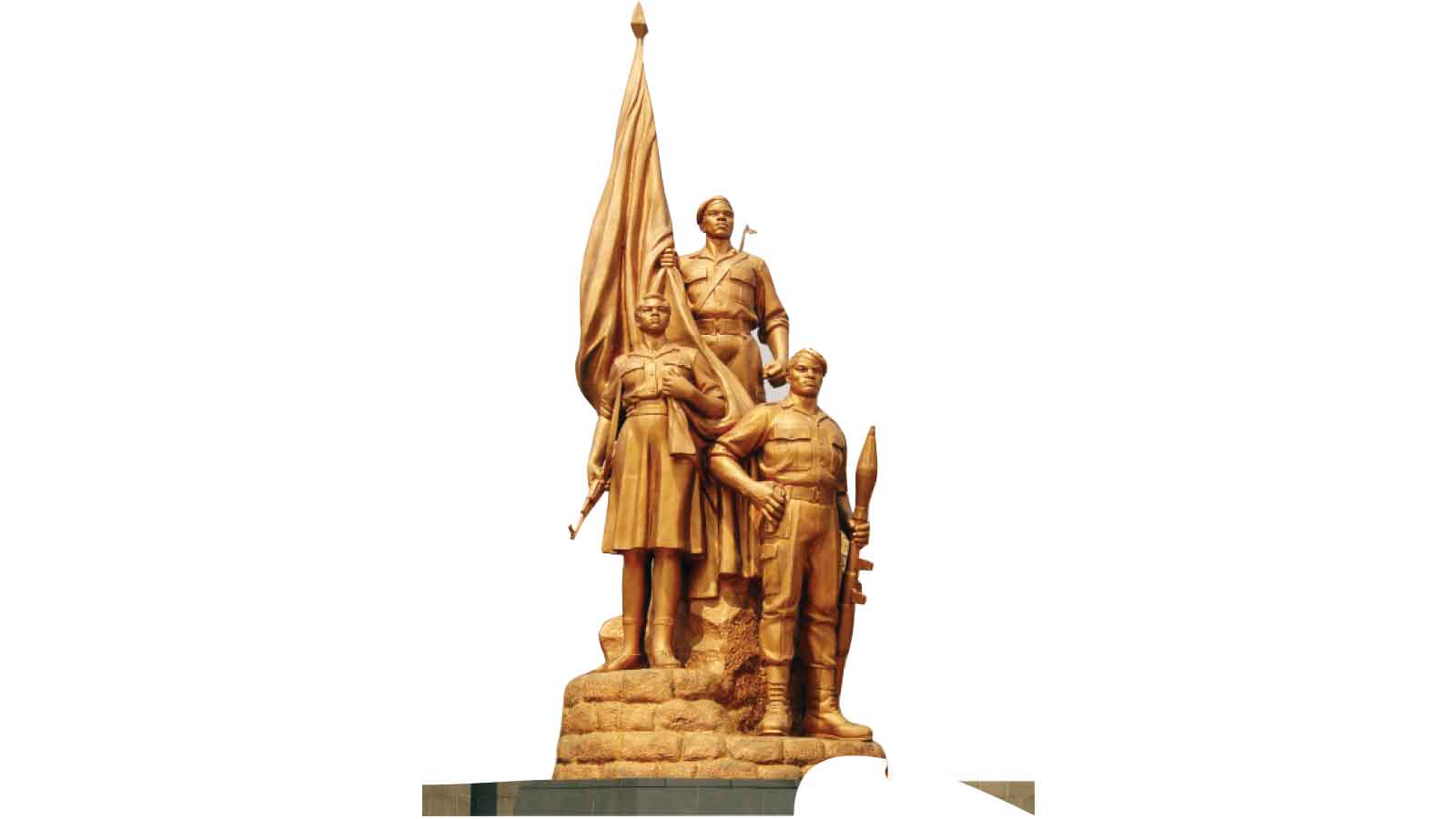
Gibson Mhaka-Zimpapers Politics Hub
WHEN Zimbabwe commemorates the 2026 National Heroes Day on August 10 under the theme “Lest We Forget,” the occasion will carry significance that reaches far beyond the annual remembrance of men and women who sacrificed their lives during the liberation struggle.
This year’s commemorations come at a defining constitutional moment, becoming the first Heroes Day since President Mnangagwa assented to the Constitution Amendment Act (No. 3), concluding one of the country’s most extensive constitutional reform processes since the adoption of the 2013 Constitution.
While Heroes Day has traditionally celebrated the courage, sacrifice and patriotism of those who fought for Zimbabwe’s Independence, this year’s observance also provides an opportunity to reflect on how the ideals of the liberation struggle continue to influence the country’s constitutional evolution, governance philosophy and pursuit of national sovereignty.
The liberation war was not simply a military campaign to end colonial rule.
It was equally a political and constitutional struggle for the right of Zimbabweans to determine their own future, craft their own institutions and govern themselves free from external domination.
That principle of self-determination remains one of the enduring pillars upon which modern Zimbabwe has continued to build its constitutional order.
It is within this broader historical context that the enactment of CAA3 assumes added significance.
Irrespective of differing political perspectives surrounding the legislation, the amendment completed the constitutional processes prescribed under Zimbabwe’s supreme law, including nationwide public consultations, parliamentary scrutiny, Senate approval and Presidential assent.
It is important to note that the process itself reflects Zimbabwe’s sovereign constitutional architecture, one in which constitutional reforms are debated and ultimately determined through institutions established by the Constitution.
For many veterans of the liberation struggle, sovereignty has never been viewed solely through the prism of territorial independence.
Rather, it has encompassed the continuing ability of Zimbabweans to determine their constitutional, political and developmental trajectory through their own national institutions.
President Mnangagwa has repeatedly underscored this philosophy through his oft-quoted assertion that “the voice of the people is the voice of God,” a principle that the Government has consistently invoked in relation to constitutional reforms and public participation.
The passage of Constitutional Amendment No 3 followed an extensive legislative process.
The Bill was gazetted in February before Parliament embarked on nationwide public consultations across the country’s provinces, gathering submissions from citizens as required under the Constitution.
Debate in both the National Assembly and Senate was extensive.
Legislators sat beyond normal parliamentary hours, sometimes late into the night, allowing members from across the political divide to express their views on the proposed reforms.
Several provisions were amended following parliamentary debate.
One clause relating to traditional leaders was withdrawn after legislators expressed concern that it could undermine the constitutional principle of political neutrality expected of chiefs.
Another proposal affecting the Zimbabwe Gender Commission was also reconsidered following parliamentary scrutiny.
Such developments illustrated Parliament exercising its legislative authority through debate, negotiation and amendment before eventually approving the Bill with the constitutionally required two-thirds majority.
The Bill subsequently returned to the National Assembly after Senate amendments before receiving final approval and being assented to by the President.
For constitutional scholars, the legislative journey demonstrated both the rigidity and flexibility inherent within constitutional democracy.
While constitutional amendments require higher voting thresholds and broader legislative consensus than ordinary legislation, they also remain subject to public participation, parliamentary deliberation and constitutional procedure.
This year’s Heroes Day, therefore, arrives against a backdrop where Zimbabwe’s constitutional institutions have once again exercised powers conferred by the Constitution itself.
The timing inevitably invites reflection on the relationship between the liberation struggle and constitutional governance.
The liberation movement sought political independence, but independence alone was never regarded as the destination.
It represented the foundation upon which Zimbabweans could establish institutions capable of advancing national aspirations according to their own priorities.
Since Independence, successive constitutional and policy milestones have reflected different phases of that national project.
The Land Reform Programme fundamentally altered land ownership patterns, while subsequent economic empowerment policies sought to expand indigenous participation in the economy.
More recently, the Second Republic has placed considerable emphasis on institutional reforms, decentralisation, infrastructure development and legislative modernisation.
Viewed through this historical lens, constitutional reform forms part of Zimbabwe’s continuing State-building process rather than an isolated political event.
Equally significant is the Government’s continuing emphasis on preserving the physical memory of the liberation struggle.
Across the country, liberation war shrines, battle sites and memorials are being rehabilitated and documented to ensure younger generations understand the historical foundations of the nation’s independence.
Sites such as Ratanyane in Matobo, where the Government has undertaken preservation efforts ahead of this year’s commemorations, illustrate a broader commitment to safeguarding places that carry profound historical significance within Zimbabwe’s liberation narrative.
Such initiatives complement the annual Heroes Day commemorations by ensuring remembrance extends beyond ceremonial gatherings to the preservation of historical landscapes where the struggle itself unfolded.
The theme “Lest We Forget” therefore resonates on multiple levels.
It calls upon Zimbabweans not only to honour those who made the ultimate sacrifice but also to appreciate the constitutional, political and institutional legacy that emerged from that sacrifice.
For historians, the liberation struggle transformed Zimbabwe from a colony governed by external authority into a sovereign republic whose constitutional destiny rests in the hands of its own citizens and institutions.
For constitutional lawyers, the country’s evolving constitutional framework demonstrates that nation-building remains a continuous process requiring institutions capable of responding to changing national circumstances while remaining anchored in constitutionalism and the rule of law.
For Parliament, the enactment of Constitutional Amendment Bill No 3 represented another exercise of constitutional authority through legislative processes prescribed by the supreme law.
For the Government, it marked the completion of a constitutional reform agenda pursued through public participation and parliamentary approval.
For citizens, the amendment serves as another reminder that constitutional development remains an evolving conversation shaped through institutions established by the Constitution itself.
As Zimbabwe prepares to honour its heroes and heroines next month, the occasion will inevitably transcend remembrance alone.
It will invite reflection on how the ideals that inspired the liberation struggle, self-determination, sovereignty, constitutional governance and national ownership of the country’s future, continue to influence Zimbabwe’s political and constitutional journey more than four decades after Independence.
The liberation war secured the right of Zimbabweans to govern themselves.
The continuing evolution of the country’s constitutional order reflects the ongoing exercise of that sovereignty through institutions created by the Constitution.
In that sense, the journey from the battlefields of the liberation struggle to the constitutional chambers of Parliament is not one of departure, but of continuity.
Heroes Day 2026 will, therefore, stand not only as a solemn tribute to those who fought for freedom, but also as a reminder that the principles for which they sacrificed continue to shape Zimbabwe’s governance, constitutional development and national identity.