

 Online Reporter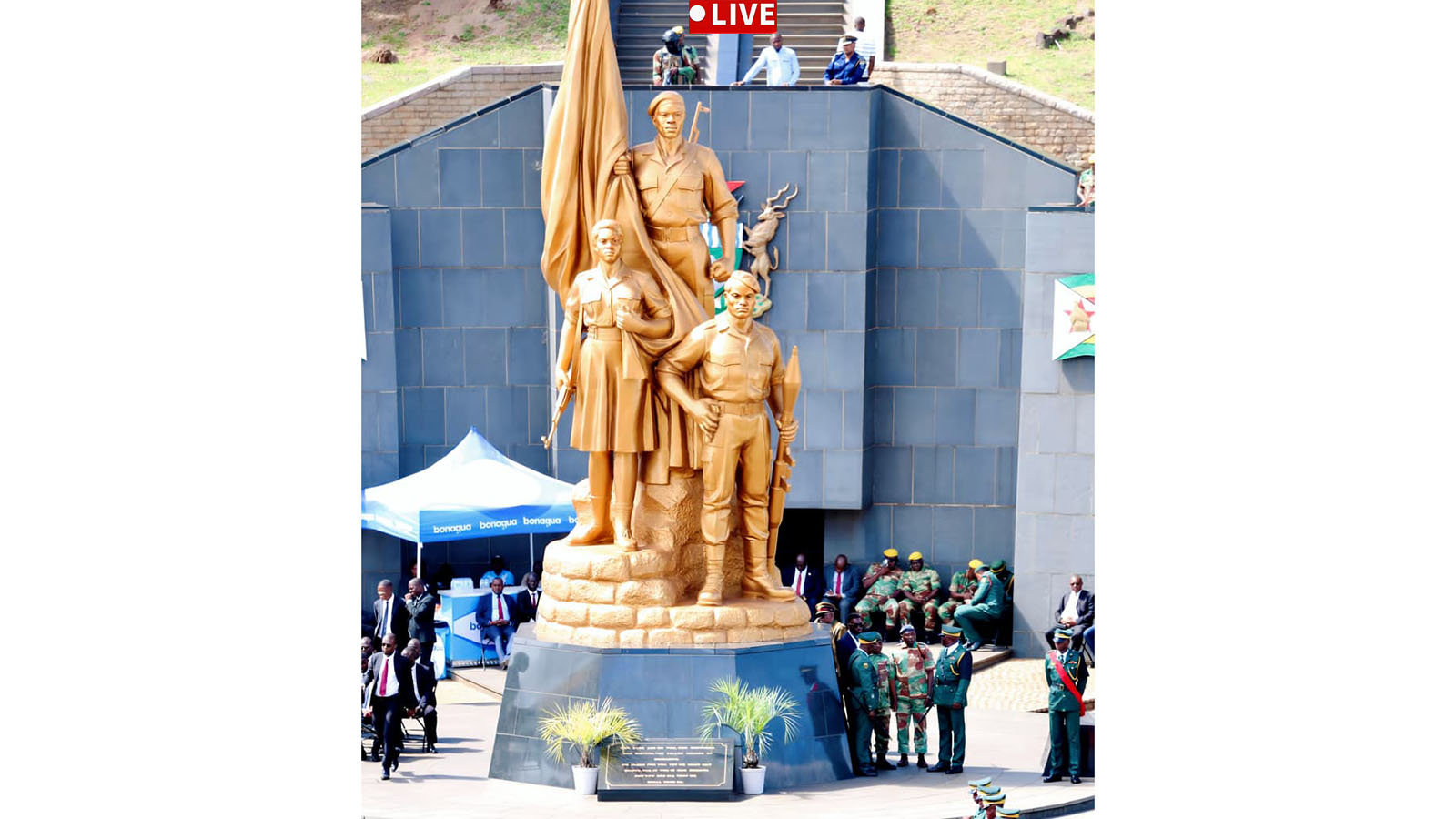
Richard Muponde
Zimpapers Politics Hub
EVERY Heroes Day provides Zimbabwe with an opportunity to reflect on the enormous sacrifices that secured the country’s freedom, sovereignty and self-determination.
Beyond the ceremonial laying of wreaths, military parades and remembrance services, the occasion carries profound historical significance for thousands of men and women whose contributions remained largely unrecognised for decades.
Among them are the war collaborators, popularly known as mujibhas and chimbwidos, whose participation transformed the liberation struggle from an armed campaign into a genuine people’s revolution.
For war collaborators, Heroes Day is not merely a national holiday. It is a deeply emotional occasion that evokes memories of the hardships, dangers, courage and resilience that defined Zimbabwe’s liberation struggle.
It is also a celebration of the recognition they have received under the Second Republic, which has embraced them as an integral part of the country’s liberation history.
Many collaborators express appreciation to President Mnangagwa, whose administration has sought to ensure that the history of the liberation struggle reflects the contributions of every patriotic Zimbabwean who participated, regardless of whether they carried a gun or supported those who did.
The People’s War Required the People’s Participation
Zimbabwe’s liberation struggle vividly illustrated Mao Zedong’s enduring observation that the people are like water while the army is like fish. Guerrilla fighters could not have survived without the support of ordinary villagers who became the logistical backbone of the revolution.
War collaborators emerged from rural communities, assuming responsibilities that exposed them to the same dangers faced by armed combatants.
Young men and women became intelligence gatherers, couriers, guides, cooks, nurses, scouts, messengers and organisers. They mobilised villagers for pungwes, transported weapons and supplies, tracked enemy movements, sourced food and clothing for guerrillas, concealed fighters from enemy patrols and cared for wounded combatants.
Without this elaborate support network, military operations would have been significantly weakened.
The liberation struggle, therefore, became a truly national enterprise in which victory depended upon the close cooperation between armed fighters and ordinary civilians.
War collaborators occupied one of the most perilous positions during the war. They operated without weapons while remaining prime targets of the Rhodesian security forces.
Many endured torture, detention, beatings and psychological abuse for refusing to betray guerrilla movements. Others lost limbs, families and even their lives protecting the liberation cause.
Their suffering became part of Zimbabwe’s collective sacrifice.
Recognition Restores Historical Justice
For many years after independence, numerous war collaborators felt that history had not fully acknowledged the indispensable role they played during the liberation struggle.
Heroes Day, therefore, often evoked mixed emotions, combining national pride with a desire for broader recognition.
The Second Republic has sought to address this historical imbalance by recognising war collaborators as veterans of the liberation struggle and integrating them into the broader War Veterans League alongside their comrades who participated directly in armed combat.
This integration carries both symbolic and practical significance. Symbolically, it affirms that Zimbabwe’s independence was secured through collective sacrifice rather than individual heroism. Practically, it opens opportunities for participation in programmes designed to improve the welfare and livelihoods of liberation war veterans.
By bringing together former combatants, collaborators, detainees and restrictees under one liberation family, the Second Republic has reinforced national unity while preserving the integrity of Zimbabwe’s liberation history.
President Mnangagwa’s Recognition of Liberation War Veterans
President Mnangagwa has consistently emphasised that Zimbabwe’s freedom was won through the sacrifices of every category of liberation fighter.
Addressing National Heroes Day commemorations following the enactment of legislation recognising veterans of the liberation struggle, President Mnangagwa acknowledged that every cadre who participated in the liberation struggle, whether as a combatant, collaborator, detainee or restrictee, made invaluable contributions to Zimbabwe’s liberation and deserves national honour and recognition.
That position represents a significant evolution in the country’s remembrance culture because it broadens national appreciation beyond those who bore arms to include those whose unwavering support sustained the armed struggle within communities across the country.
His philosophy of Nyika Inovakwa Nevene Vayo/Ilizwe Lakhiwa Ngabanikazi Balo, together with the commitment that no one and no place should be left behind, finds practical expression in recognising every category of liberation veteran as an essential architect of modern Zimbabwe.
Empowerment Beyond Symbolic Recognition
Recognition carries greater meaning when accompanied by practical empowerment.
Under the Second Republic, war collaborators have increasingly benefited from programmes designed to improve the welfare of liberation veterans.
Access to the Presidential War Veterans Fund has enabled many beneficiaries to venture into income-generating projects, agriculture, small-scale mining, transport businesses and other entrepreneurial activities aimed at improving livelihoods.
Such initiatives reflect an understanding that liberation veterans should not merely be honoured ceremonially, but should also participate meaningfully in Zimbabwe’s socio-economic development.
While many collaborators appreciate these interventions, some continue to advocate for broader welfare support, expanded empowerment opportunities and the expedited completion of the vetting process so that deserving individuals who remain outside the official register may also benefit from programmes intended for veterans of the liberation struggle.
These aspirations are viewed not as criticism but as part of the continuing journey towards fully implementing the inclusive philosophy espoused by the Second Republic.
Heroes Day: A Reflection on Pain and Triumph
For war collaborators, Heroes Day also evokes painful memories.
Behind every celebration lie stories of torture, displacement, broken families, destroyed homes and emotional trauma.
Many collaborators continue to bear physical scars inflicted by colonial security forces after refusing to betray guerrilla fighters. Others witnessed executions, bombings and massacres that permanently altered their lives.
Yet these painful memories coexist with immense pride. The freedom enjoyed by present-day Zimbabweans represents the fulfilment of aspirations that inspired countless young men and women to risk everything for national liberation.
Heroes Day therefore becomes both a solemn memorial and a celebration — a remembrance of sacrifice and an affirmation that those sacrifices were not in vain.
Defending the Legacy of the Liberation Struggle
The liberation struggle continues to attract competing historical interpretations.
While some political voices have questioned or sought to diminish the significance of liberation veterans and their sacrifices, many war collaborators maintain that Zimbabwe’s freedom cannot be separated from the enormous contributions made by ordinary citizens who sustained the armed struggle.
They therefore regard Heroes Day as an important national platform for preserving the country’s liberation history for future generations.
In their view, the infrastructure development, economic modernisation, agricultural transformation and industrialisation unfolding under Vision 2030 represent some of the dividends of the independence secured through collective sacrifice.
Constitutional Amendment No. 3, together with broader governance reforms aimed at ensuring policy continuity and long-term national planning, is viewed by its supporters as complementing this development trajectory by providing institutional stability in pursuit of Vision 2030.
Within this context, Heroes Day assumes even greater significance as both a celebration of liberation history and an affirmation of Zimbabwe’s continuing nation-building journey.
A Legacy That Belongs to Every Zimbabwean
The story of Zimbabwe’s liberation struggle remains incomplete without acknowledging the indispensable role played by war collaborators.
Their courage demonstrated that wars of national liberation are not won solely on the battlefield, but also in villages, homes and communities where ordinary citizens became extraordinary patriots.
The recognition accorded to them by the Second Republic represents an important milestone in restoring historical completeness and strengthening national cohesion.
Their integration into the War Veterans League alongside former combatants symbolises the enduring truth that every contribution mattered.
Viewed through the eyes of a war collaborator, Heroes Day is therefore far more than an annual commemoration.
It is a celebration of restored dignity, national gratitude, historical justice and inclusive remembrance. It affirms that Zimbabwe’s liberation was the achievement of an entire people united by one purpose, one struggle and one enduring dream of freedom.
As Zimbabwe continues pursuing Vision 2030, the legacy of war collaborators remains woven into the nation’s identity, reminding future generations that the liberation of the country was secured not only by those who carried rifles, but also by those who carried food, intelligence, hope and unwavering patriotism in service of their motherland.


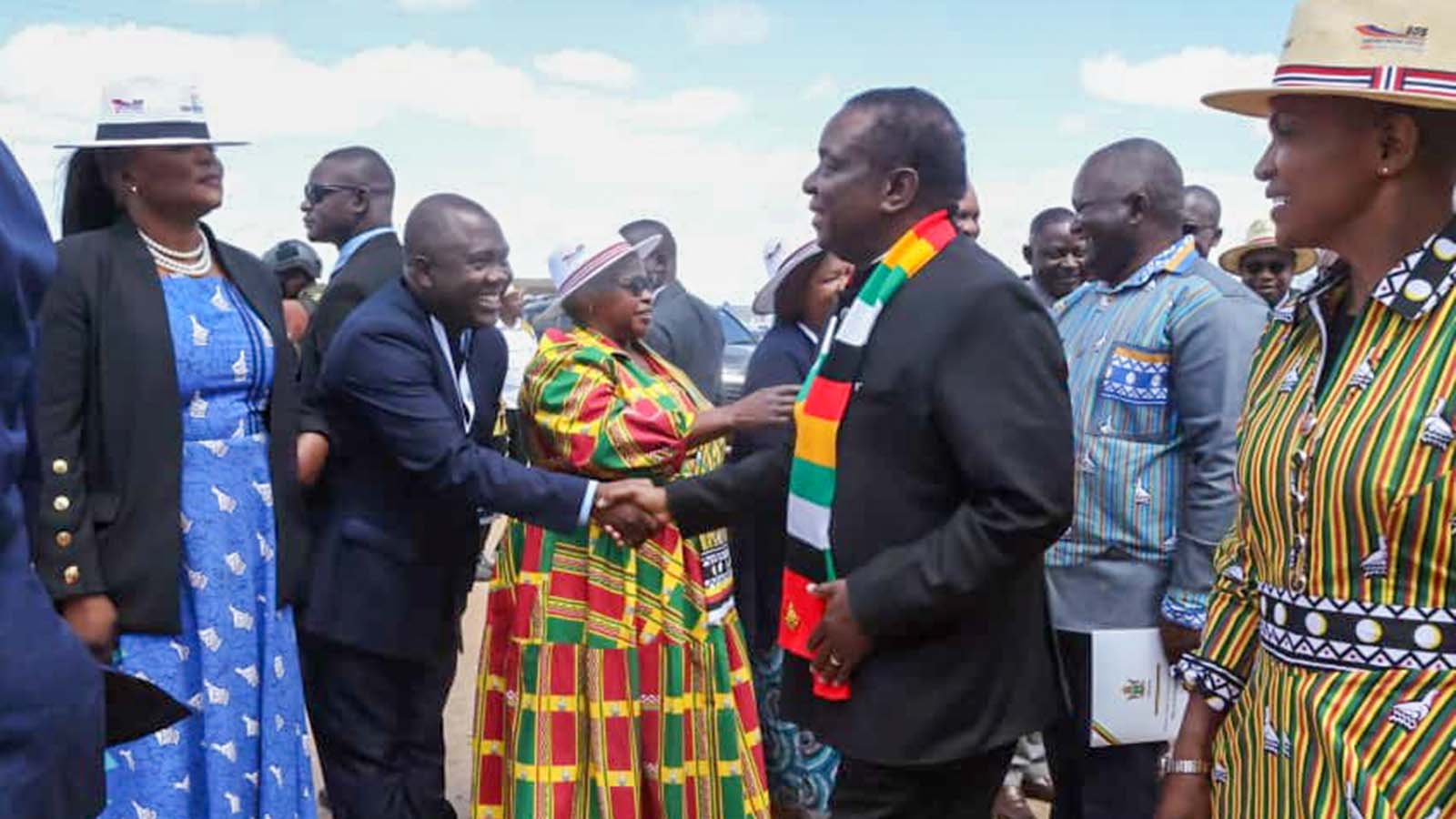
Let war collaborators speak for themselves. If the liberation struggle was fought along the water/fish concept of Chairman Mao and water was the people, why are the people being separated from the fish now? Today we see special treatment for the so called war veterans and very little for the people. It was a bit unwise for the government to split the people from their fighters. The war was fought as a unit between the fighters and their support structures and splitting the two as it is now was a bad decision. Without the people and war collaborators’ support, the war wouldn’t have been difficult, it was going to be impossible to prosecute.