Online Reporter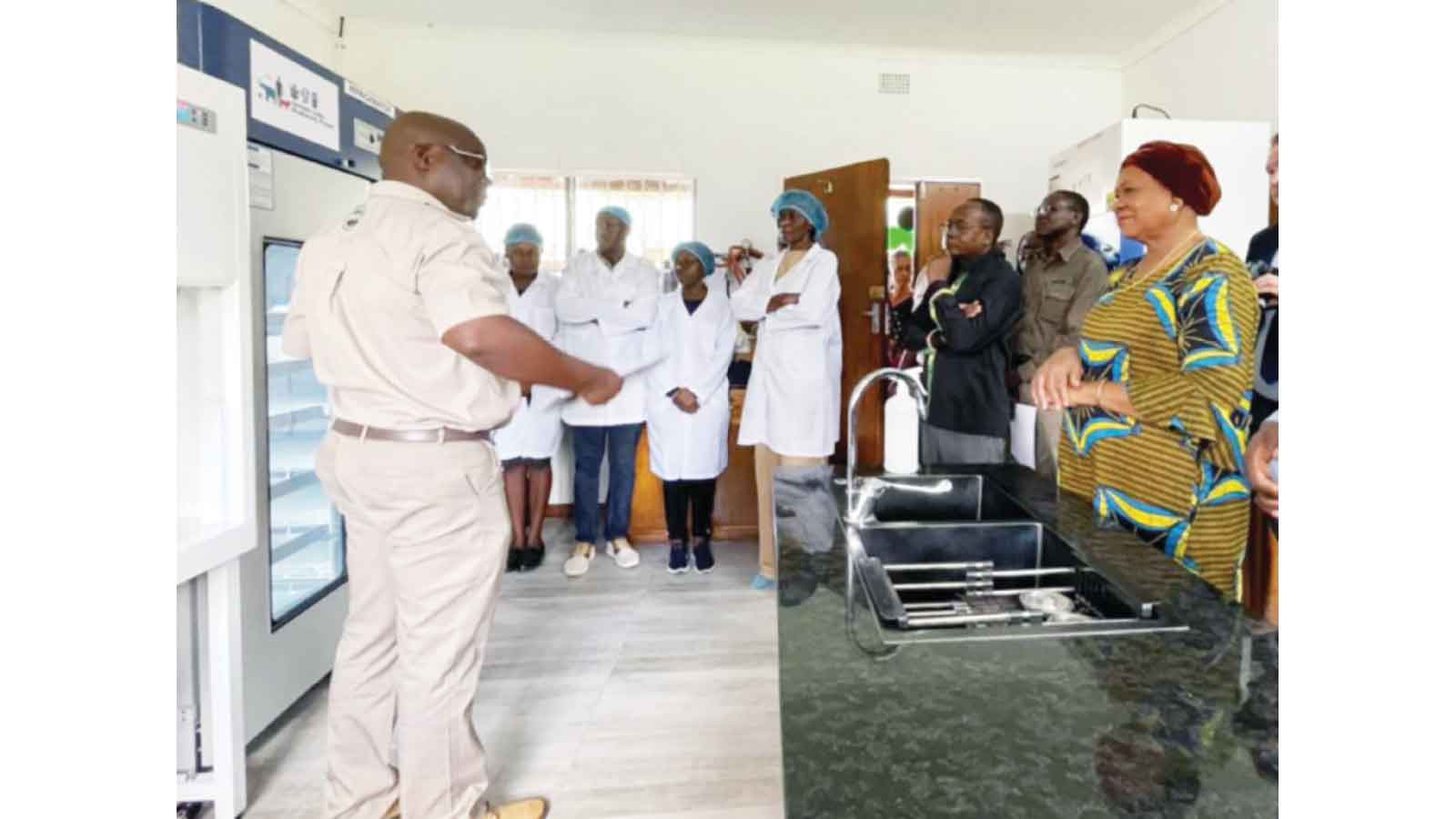
Alicia Kadzviti
Herald Reporter
ENVIRONMENT, Climate and Wildlife Minister Dr Evelyn Ndlovu has commissioned a state-of-the-art plant tissue culture laboratory at the Forestry Commission head office in Harare.
The plant will transform the country’s forestry sector and accelerate its climate resilience and reforestation agenda.
The high-tech laboratory will employ modern biotechnology to mass-produce high-quality, disease-free, and climate-resilient tree planting material.
Minister Ndlovu stated that the project directly supports the objectives of the National Development Strategy 2 (NDS2) and Vision 2030.
“The NDS2 places strong emphasis on environmental sustainability, climate change resilience, green value chains and restoration of degraded ecosystems as enablers for economic growth.
“This facility is more than a laboratory, it is a strategic investment in Zimbabwe’s future.”
She noted, adding that healthy forests support livelihoods, energy security, tourism, and biodiversity conservation.
The minister urged broad participation in the ongoing national tree planting season, calling on cabinet ministers to lead by example.
“By tomorrow, all members of Cabinet should have planted trees at their homes,” she said
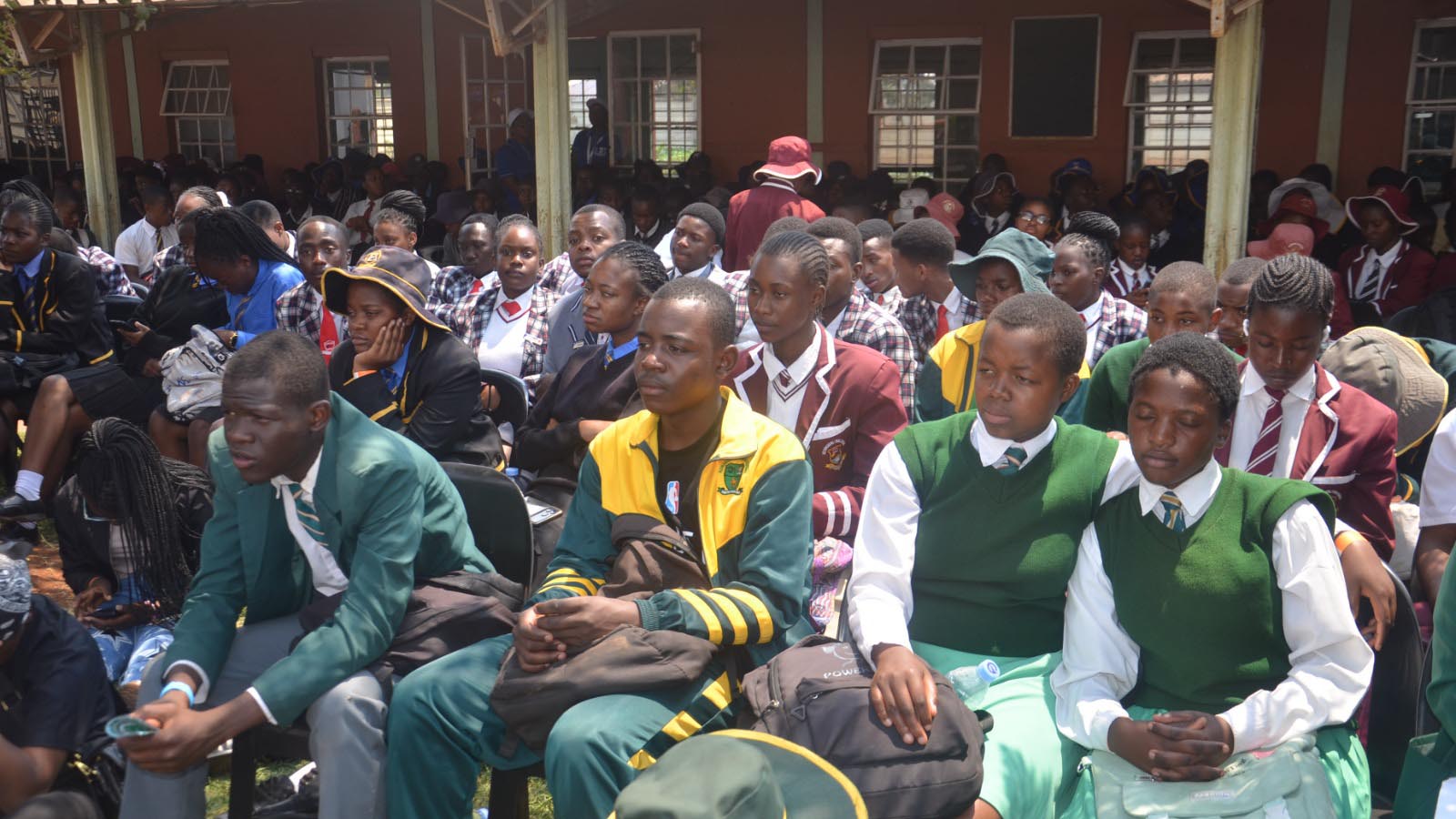
The minister stressed that reforestation must be embraced by communities, schools, churches, and youth groups nationwide.
She also highlighted the importance of protecting indigenous species, particularly mopane trees, which provide nutrition and livelihoods through mopane worms in Matabeleland South, urging the Forestry Commission to expand research into indigenous fruit trees, medicinal plants, and endangered species. ,
The launch addresses a critical barrier in Zimbabwe’s fight against deforestation and land degradation.
Forestry Commission board chair, Ambassador Mahomed Jassat, explained that traditional propagation methods have been limited by scarce seed availability, low germination rates, and vulnerability to pests and droughts.
The new lab will duplicate elite indigenous and commercial tree species with desirable traits like fast growth, drought tolerance, and pest resistance, enabling rapid, large-scale multiplication.
“This laboratory is a clear demonstration of commitment to innovation and scientific excellence,” he said. “It will allow us to conserve valuable genetic resources and accelerate reforestation and restoration efforts across the country.”
The facility is a product of a key partnership, financed by the Global Environment Facility (GEF) and implemented through the United Nations Development Programme, with technical expertise from the University of Zimbabwe.
UNDP’s resident representative for Zimbabwe Dr Ayodele Odusola, described the lab as a climate action hub and a promise to regenerate what has been lost.
He noted its role in strengthening carbon sequestration and community resilience.
“Every tree grown here helps absorb carbon dioxide, restore degraded landscapes, and buffer communities against climate shocks,” he said.
The laboratory’s commissioning is strategically timed at the start of Zimbabwe’s annual tree planting season. Its output will directly support the national tree planting programme, improving the supply of indigenous and slow-growing species for communities preparing to plant trees.
Beyond production, the facility will serve as a regional hub for research and capacity building. Dr Marowa of the University of Zimbabwe said it marks a new chapter in our national capacity, providing hands-on training for students and researchers in biotechnology.