admin
adminreport on Zimbabwe for February the producers are expected to take advantage of growing demand and prices appreciation in the these two countries.
Gold prices have continued to rise to US$1 724,75 per ounce at the end of January 2012, having opened the year at US$1 595 per ounce.
“The price increase is expected to attract new entrants into the industry,” said the bank.
China’s gold imports in the fourth quarter of 2011 had overtaken India’s. In January alone, Zimbabwe’s small-scale producers delivered 240,32kg of gold while primary producers delivered 812,84kg, a total of 1 153,16kg.
“When compared with January 2011, a marked improvement in gold production can be observed, as small-scale producers produced 125,6kg while primary producers produced 599,2kg, a total of just 724,8kg,” said the AfDB.
Zimbabwe’s mining sector is on a recovery path following a slump over the past few years. The sector is expected to grow by an estimated 15,9 percent this year.
Gold is expected to turn over about US$800 million by next year, driven by improved international gold prices — expected to peak at US$2 000 per ounce this year.
It is estimated that the gold sector is operating at about 50 percent capacity utilisation and about three mining companies are operating at full capacity. At its peak in 1999, Zimbabwe produced 27 000kg while the lowest production was recorded in 2003 — a paltry 3 500kg.
Over the years, mining has been negatively affected by erratic power supplies, lack of long-term funding, skills shortage, high labour costs and negative perceptions on the country’s indigenisation policy.
The indigenisation and empowerment laws require foreign companies to cede at least 51 percent to locals. Most mining companies in Zimbabwe are foreign-owned. Inadequate working capital also had a negative impact on the growth of the industry, which rose by 44 percent last year.
The sector experienced challenges over the past 10 years, along with other key economic sectors — manufacturing, agriculture, tourism and financial services. But confidence returned to the sector after the establishment of the inclusive Government in 2009.
The liberalisation of the gold sector in the same year was a further positive element. Currently, the mining sector accounts for 6–7 percent of the Gross Domestic Product.


Online Reporter
- Herald
- September 15, 2026
- 4 views
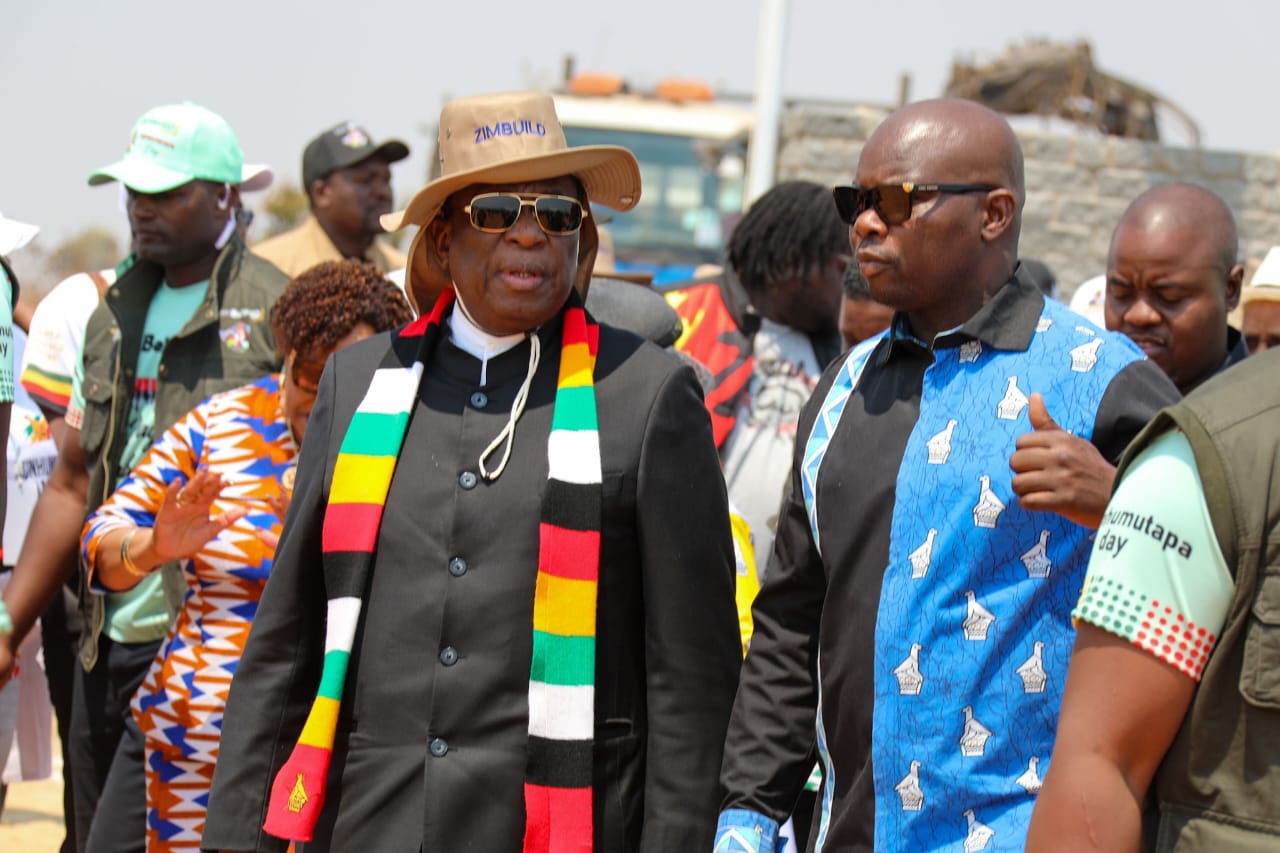
President Mnangagwa breaks ground for Munhumutapa Youth Housing Programme
Farai Dauramanzi Echo Editor President Mnangagwa has presided over the ground-breaking ceremony of the Munhumutapa Youth Housing Programme in Mvurwi, Mashonaland Central Province. The project, named Eastwolds, is being developed…