

 Online Reporter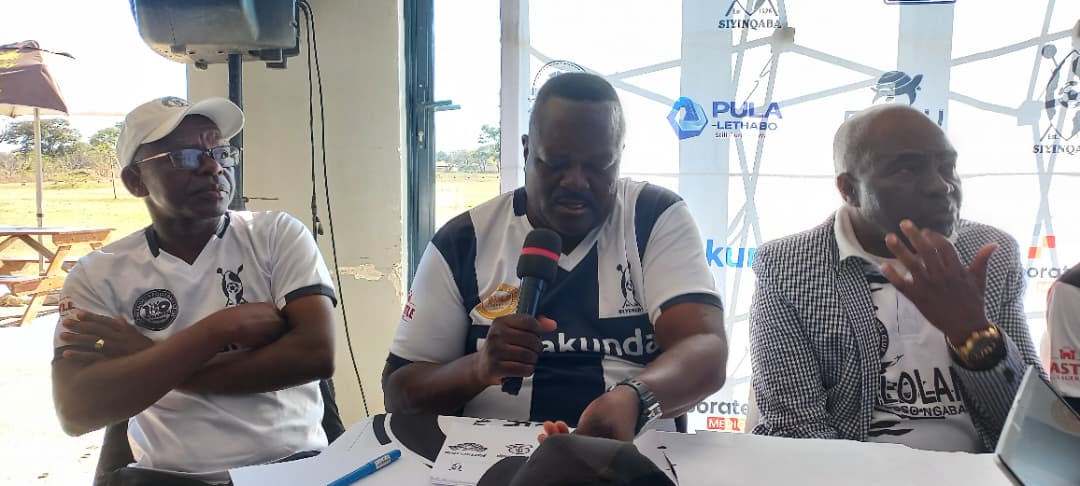
Bongani Ndlovu, [email protected]
HIGHLANDERS are technically insolvent and carrying a US$424 978 net liability position despite receiving US$610 695 in donations during the year ending June 30, 2026.
Businessman Wicknell Chivayo provided US$473 142, more than half of the club’s total income, but Bosso still recorded a US$173 878 deficit after expenditure rose above US$1 million.
Financial statements presented by executive member for finance Nkani Khoza at the club’s Extraordinary General Meeting on Sunday showed liabilities of US$1 043 456 against assets worth US$618 478.
The report warned that Highlanders’ future as a going concern was under serious threat because of unreliable funding, mounting debt and persistent cash flow problems.
“We are facing cash inflow challenges and this is affecting the future of the club. The club is facing an uncertain future due to the unavailability of reliable funding,” the report reads.
“Presently, there are no sponsors and the donors make their donations when we are already in arrears.
“From the financial statements, it is clear that technically the club is unable to settle its obligations hence its future as a going concern is under serious threat.”
Highlanders generated US$833 365 during the period under review, but spent US$1 007 243.
Donations accounted for US$610 695, or more than 73 percent of the club’s total income.
Chivayo covered coaches’ allowances, player salaries, signing-on fees, player acquisition costs, transport, accommodation and the club’s pre-season camp.
His US$473 142 contribution represented about 57 percent of Highlanders’ total income for the year.
Traditional sponsorship, however, almost disappeared.
Sponsorship income fell from US$155 796 in 2025 to just US$8 115, with Sanctuary Insurance, Signature Suits and Pula Lethabo Still Water the only sponsors listed in the report.
Highlanders also generated US$446 538 in gross gate receipts from their home matches, but retained only US$161 699 after payments to other stakeholders.
That represented 36,2 percent of the money collected at the gates, with US$284 839 going towards statutory and match-day obligations.
Player and staff costs continued to weigh heavily on the club’s finances.
The annual payroll stood at US$461 278, with donations covering US$159 420, or 34,6 percent. Highlanders had to raise the remaining 65,4 percent.
Signing-on fees reached US$202 499 while another US$122 665 was inherited from previous obligations, taking the club’s total commitment to US$325 164.
Winning bonuses also increased from US$37 500 during the corresponding period last year to US$60 950.
The club received US$18 000 from the sale of midfielder Mason Mushore to South African side AmaZulu and US$10 000 in prize money from the Independence Cup.



Looking at Highlanders balance sheet, one wonders why football is being looked at as a business in this country. What kind of business is it that survives on donations? Not one team makes profit from playing football in the entire league. So how do people want to create business out of football? The only business I see is for people selling refreshments at football matches.