

 Online Reporter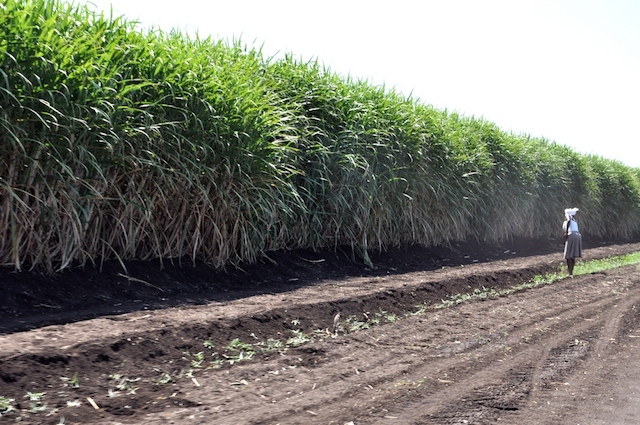
Nelson Gahadza
Zimpapers Business Hub
Hippo Valley Estates Limited says its first quarter 2025 sugar production increased by 8 percent to 65 918 tonnes compared to the same quarter last year, driven by a 15 percent surge in cane supply from the company’s plantations.
According to the company’s trading update, cane supply from the company increased to 341 655 tonnes from 297 902 tonnes in the same period last year, while supply from private farmers declined by 1 per cent to 218 153 tonnes compared to the same quarter the prior year.
Chief executive officer Mr Tendai Masawi said the growth was driven by higher milling crushing rates, recognising the crushing season has been shortened to 26 weeks from 33 weeks in the prior year.
“Resultantly, the average delivery rate of cane exceeded the prior year, supported by a consistently efficient cane delivery system. This improvement was achieved through retooling the agricultural business unit with cane haulage equipment,” he said.
Additionally, Mr Masawi said cane quality improved from an estimated recoverable crystal, which is the percentage of sucrose in sugarcane that is theoretically recoverable as sugar crystals, of 11,30 percent to 11,46 percent.
“Despite some minimal mill start-up challenges, the plant had impressive recoveries after achieving a cane-to-sugar ratio of 8,49 against the prior year of 8,50 and a target of 8,75,” said Mr Masawi.
He noted that private farmers’ cane deliveries marginally dropped due to diversions to the Triangle mill after the start-up challenges referred to above.
During the quarter under review, Mr Masawi said overall local sales performance improved by 4 percent from the prior year, with the SunSweet brand registering a 19 percent increase above the prior year.
“However, raw sugar performance dampened overall sales growth, falling 32 percent below the first quarter target and 31 percent below the prior year.
“The decline was primarily due to reduced demand from key off-takers in the beverages manufacturing sector following the introduction of the sugar tax,” he said.
Further, he highlighted that some industrial customers continued to import, impacting sales even more.



 Online Reporter