admin
admin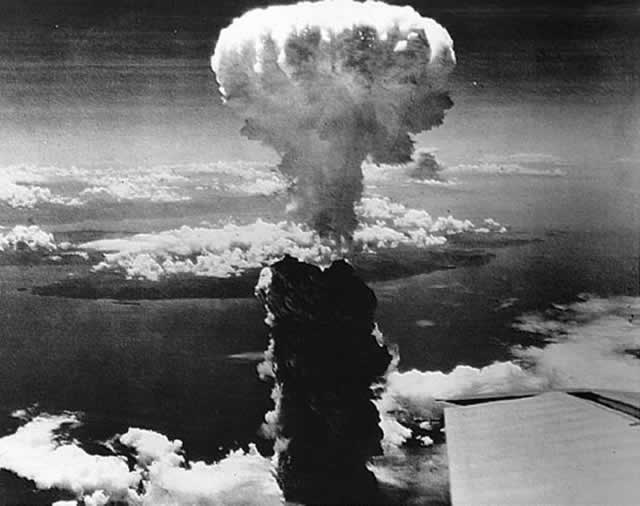
Bells tolled and thousands bowed their heads in prayer in Hiroshima at ceremonies in the Japanese city marking the 70th anniversary of the world’s first atomic bombing.
Yesterday at 8:15AM (23:15 GMT, Wednesday), the exact time when the bomb, dropped by the US B-29 aircraft, the Enola Gay, exploded on August 6, 1945, the crowd stood for a moment of silence.
In the heavy summer heat, cicadas shrilled, the Peace Bell rang and hundreds of doves were released into the sky.
Many of those gathered for the ceremony renewed their calls for peace, while survivors recalled agonising memories that continue to haunt them 70 years on.
Eighty-nine-year-old Keigo Miyagawa spoke to Al Jazeera of the terror and the trauma his 19-year-old self went through.
“It felt like lightning. I saw this strong flash, and it was followed by this sound, and it swept me off my feet. I lost consciousness,” he recalled. “When I woke up … I was injured and bleeding.”
For the last five decades, Miyagawa has been committing images imprisoned in his mind to canvas.
The Hiroshima bombing, which killed 140,000 by the end of the year, was followed three days later by the bombing of Nagasaki on August 9, which killed about 40,000 instantly. The war ended on August 15.
Al Jazeera has drawn a timeline of the events from the day German chemist Otto Hahn discovered nuclear fission, through to the day the Nobel prize winner saw his discovery used to instigate the attack.
The effects of the bomb blast outlived its survivors.
The cities of Hiroshima and Nagasaki became known for cancers, premature births and malformed babies.
About 90 percent of the city was destroyed, which is why it looks so new today.
The US demonstrated unprecedented power when it dropped the atomic bombs. Days later, Japan surrendered and World War II was over.
The bombings remain the only use of nuclear weapons for warfare in history.
Seventy years on, many with memories of the war and its aftermath are scathing about Japanese Prime Minister Shinzo Abe’s efforts to pass security bills that could send troops into conflict for the first time since World War II, sparking massive protests around the country.
Critics who see the measures as a derailment of Japan’s pacifist constitution lambasted Abe at a meeting after the commemoration ceremony. Abe said the legislation was essential to ensure Japan’s safety. — Aljazeera.


 Online Reporter