Online Reporter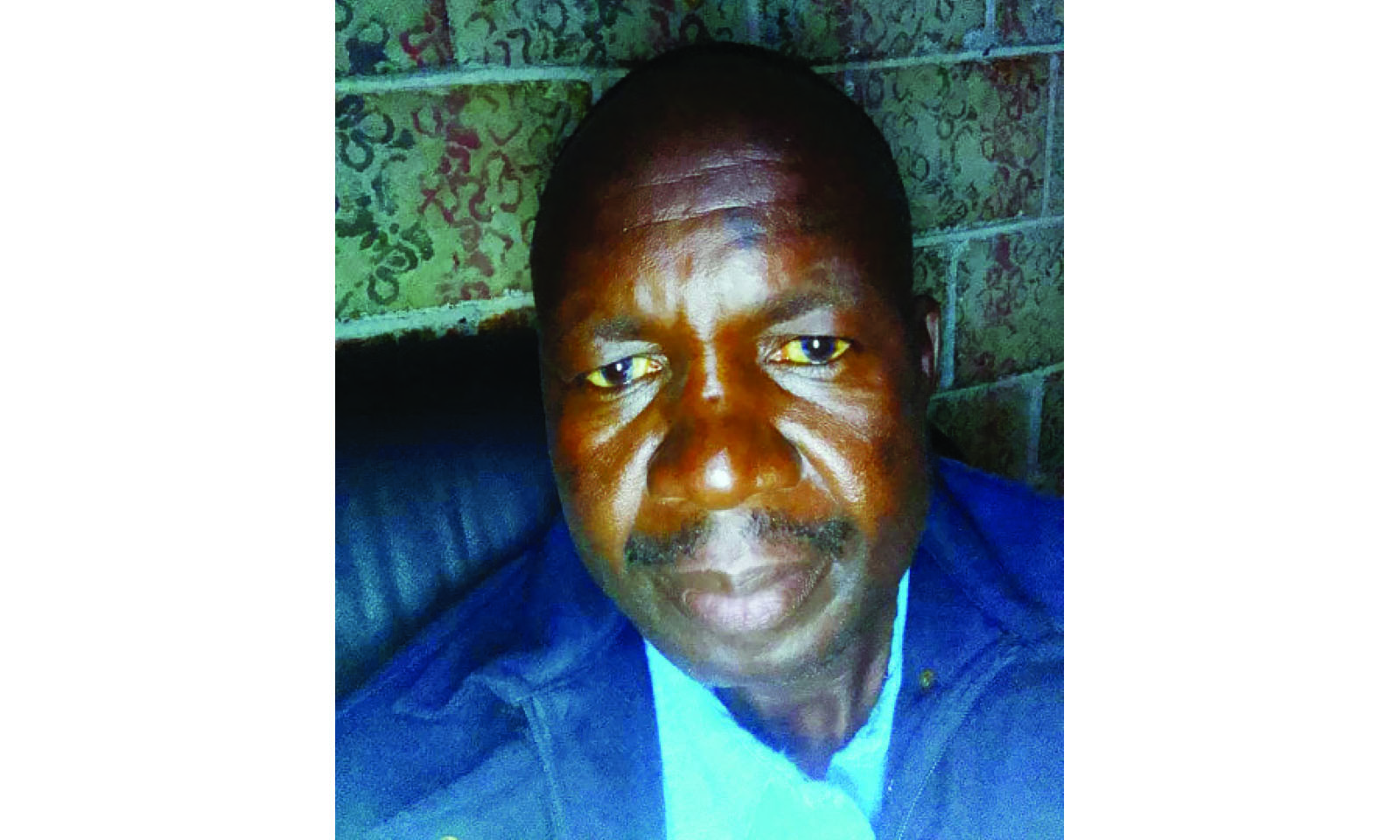
Gibson Mhaka
Zimpapers Politics Hub
IN the history of Zimbabwe’s liberation struggle, the names of freedom fighters are etched in glory.
Yet, beneath the triumphant narratives lies a darker, often unspoken truth: the horrific experiences and profound sacrifices of the Mujibas and Chimbwidos, then young boys and girls who served as the guerrillas’ vital, yet vulnerable, aides.
As the nation gears up to celebrate Heroes and Defence Forces holidays on August 11 and 12 respectively, their stories, filled with terror and unspeakable trauma, represent a critical, heart-rending chapter in the nation’s history that demands to be heard.
Cde Herbert Gapare (62), Secretary General of the Mujibas and Chimbwidos Association, Bulawayo Province, carries these memories within him, a living testament to a generation caught in an impossible bind. His voice, though measured, resonates with the lingering pain of a childhood stolen by war.
“The liberation war in our area began in 1977 when I was about 14 years old,” he recounted, his words painting a vivid picture of innocence shattered.
“One morning, we were awakened by loud knocking on our doors. When we went outside, we were shocked to find ourselves face-to-face with armed men. They took us to a nearby bush and informed us that they were freedom fighters, determined to liberate our country from white rule. This was my first encounter with the guerrillas.”
For many like Cde Gapare, a guard with a Bulawayo security company, becoming a Mujiba or Chimbwido wasn’t a patriotic choice made freely, but a stark, undeniable imposition. Yet, this coercion often transformed into a fierce resolve, as witnessing the brutal atrocities of the Rhodesian forces ignited a powerful desire to free the nation.
“Initially, our involvement wasn’t by choice; it was by force, a direct consequence of the Rhodesian forces’ brutality we witnessed daily.
“This compelled us to embrace the slogan: ‘Muhondo iwe neni tine basa rokusunungura nyika’ (In the war, you and I have a duty to liberate the country). We were told that while the Rhodesian soldiers were oppressors, the guerrillas were fighting for our freedom,” he said.
These young souls, barely teenagers, were thrust into a brutal world, their duties ranging from patrolling for enemy presence and transporting ammunition to disseminating vital messages. They became the invisible backbone of the struggle, yet their position was infinitely more perilous than that of the armed combatants. The Mujibas and Chimbwidos were caught in brutal crossfire, facing violence and coercion from both sides. If they failed to assist the guerrillas, they faced their wrath. If caught by the Rhodesian security forces, the consequences were often unspeakable.
Cde Gapare’s personal testimony lays bare the raw horror. “I was personally captured and tortured by Rhodesian soldiers about three times,” he revealed, the memory still fresh. “The soldiers often beat and tortured me, demanding information about the guerrillas’ whereabouts and who was feeding them.”
These were not soldiers, but children, subjected to the most dehumanising forms of interrogation and brutality.
The physical torture was, however, just one facet of their ordeal. Even more profoundly, the war exposed these young aides to the darkest corners of human depravity.
“I was a direct victim of those atrocities,” recounted Cde Gapare, his voice dropping to a whisper, “and tragically, at one point, one of our Chimbwidos was gang-raped in our presence.”
He continued, “I worked with over 100 guerrillas, whose names I still remember, such as Captain Smash, Nyakanyaka, Henry Muchena (one of the country’s decorated liberation war icons, retired Air Vice Marshal), and Shelton Chidoro.”
This chilling revelation underscores the gendered violence that was a grim reality for many young girls — a trauma that would haunt them for a lifetime, often in silence.
Beyond the direct violence, they endured unimaginable living conditions, battling hunger, disease, and the constant threat of forced relocation into “Keeps” — fortified villages designed to isolate them from the guerrillas. They witnessed unspeakable horrors, including “the capture and killing of some of our comrades, including fellow Mujibas and Chimbwidos.”
Decades have passed since the guns fell silent, but the war’s scars run deep for these unsung heroes. Despite their immense sacrifices, many Mujibas and Chimbwidos remain in abject poverty, a cruel irony for those who fought for a liberated nation.
“The greatest challenge we face as collaborators is poverty,” Cde Gapare laments. “War collaborators are among the poorest people in Zimbabwe, yet they remain the strongest supporters and defenders of our hard-won independence.”
He adds, with a touch of bitterness, “As I have said, the collaborators are the poorest, and unfortunately, nobody wants to accept anything from a poor person. Currently, we have not received much support from the government, as we are still in the process of being vetted,” he explained.
He said while the Second Republic has shown more interest, the journey has been long and arduous. Cde Gapare believes that it is now time for the nation to honour war collaborators.
“To ensure the true history of the liberation struggle is accurately narrated, it’s crucial to empower the first generation of collaborators and give them the chance to tell their own stories,” he urged.
He understands the modern world, “Today’s youth are more likely to listen to successful individuals, and so if collaborators remain poor, the liberation struggle’s history may not be properly conveyed.”
The delay in gazetting their names only perpetuates their marginalisation, making it difficult to distinguish genuine heroes from those who would exploit their legacy.
“As long as the gazetting of names is delayed, collaborators will remain sidelined, making it difficult to distinguish between genuine contributors and imposters,” Cde Gapare said. His plea is simple, yet profound: “We need to be given a chance to tell our own stories.”
As Zimbabwe celebrates Heroes and Defence Forces Day the plight of the Mujibas and Chimbwidos is a stark reminder that freedom often comes at an unimaginable cost, borne by those who receive the least recognition. These individuals are, in essence, living encyclopedias of the struggle, and it is imperative that their moving stories are heard before they are lost to time.
Their untold stories are not just historical footnotes; they are a testament to resilience, a call for justice, and a vital piece of Zimbabwe’s collective memory that must never again be silenced.