


 tawandamusarurwa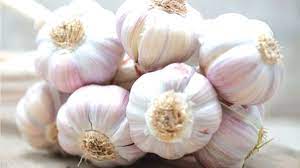
Over-the-counter treatments
THERE are a number of over-the-counter (OTC) treatments available for athlete’s foot. These can come as powders, sprays, ointments and lotions. Many cases of athlete’s foot respond well to OTC treatments and may never require other options. You can apply these treatments directly to the affected area and use them for at least one week after symptoms resolve to prevent the infection from immediately returning.
Tea tree oil
It has antifungal and antibacterial properties, which is part of the reason it is commonly used to treat many fungal infections (including both ringworm and candidiasis). Applying tea tree oil daily could treat both the symptoms of athlete’s foot and the fungus that causes it within a few weeks. To treat athlete’s foot, mix a carrier oil like warm coconut oil with tea tree oil for a concentration of 25 to 50 percent tea tree oil. Apply it to the affected area twice a day.
Neem oil
Both neem oil and neem leaf extracts have incredible antifungal capabilities that can help fight athlete’s foot. You can apply the neem oil (or extract) directly to the affected area two to three times a day, massaging it into the skin. This can also be helpful for treating infections that develop under the toenails.
Rubbing alcohol
Much like hydrogen peroxide, many families will have rubbing alcohol on hand to clean cuts. Like hydrogen peroxide, rubbing alcohol can help kill off the fungus that is on the surface level of the skin. You can apply it directly to the affected area or soak your feet in a footbath of 70 percent rubbing alcohol and 30 percent water for 30 minutes.
Garlic
Garlic may have a strong scent but it can be an effective topical treatment for athlete’s foot. To use garlic to treat athlete’s foot, crush four to five cloves of garlic. Once smashed, rub them over the affected area. Do this twice daily.
Sea salt baths
Sea salt has strong antibacterial and antifungal properties, making it a great natural treatment for athlete’s foot and any complications it could cause. It may actually inhibit the growth and spread of athlete’s foot. Some treatments involve mixing sea salt with other natural treatments like vinegar to make a sort of paste.
The most effective way to use this treatment may be to dissolve a cup of sea salt into a warm foot bath. Soak your feet for at least 20 minutes. Dry your feet thoroughly when you are finished soaking.
Talcum powder
Talcum powder, corn starch or baby powder work to treat athlete’s foot by keeping the affected area dry and clean. This makes it difficult for the fungus to thrive and spread by keeping sweat and moisture under control. To use this treatment, apply talcum powder (or antifungal powder) directly to the dried, affected area every time, before putting on socks. Be careful not to inhale talcum powder.
Vicks VapoRub
Not only can Vicks VapoRub reduce symptoms from a bad cough, it can help treat athlete’s foot. This may be because of its use of eucalyptus oil and menthol, both of which have antifungal properties.
Rub Vicks on the affected area every night, massaging it into the foot. Do this every night for at least a month or up until a week after the infection has disappeared.
Keep your feet dry and clean
It is important to prevent athlete’s foot. Fungus can grow in dark, moist areas, making your feet an ideal place for athlete’s feet to develop.
If you have athlete’s foot (or even if you just want to prevent it), keep your feet as dry and clean as possible.
Change your socks regularly. As soon as you are done working out, clean your feet and put on a fresh pair of socks. Dry the space between your toes. Do not go barefoot in public areas. You should also use shoes that are well-ventilated and allow your feet to breathe. — Wires



 Bongani Ndlovu
 Online Reporter