Online Reporter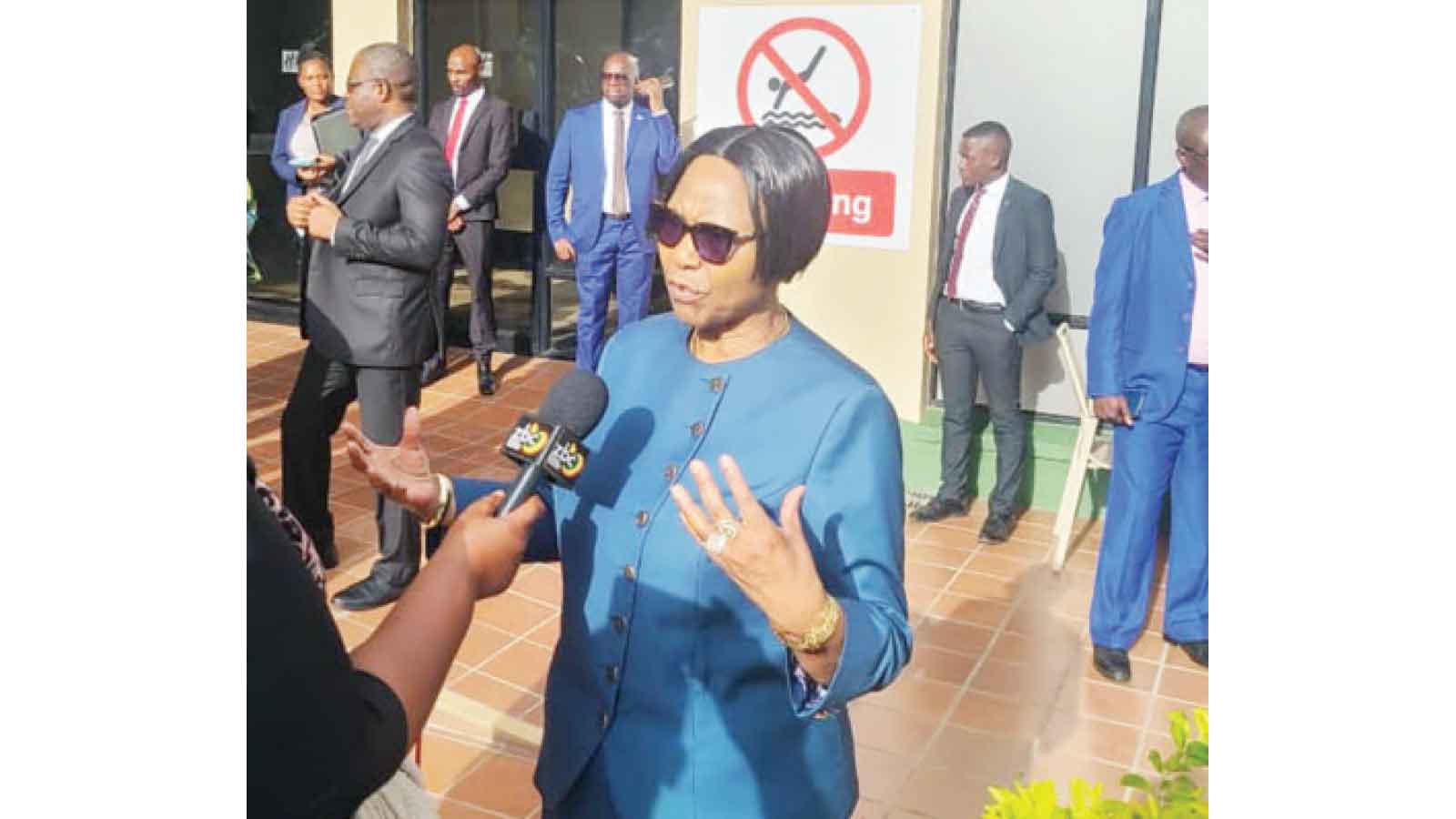
Joseph Madzimure and Takudzwa Mangrozah
Africa must focus on developing homegrown solutions for peace support operations to achieve lasting peace and security, in alignment with the African Union’s Agenda of Silencing the Guns by 2063.
Officially opening the 17th African Standby Force Annual Training Implementation Workshop in Harare yesterday, Defence Minister Oppah Muchinguri-Kashiri stated that the workshop plays a crucial role in facilitating an in-depth analysis of the continent’s progress and identifying steps needed to enhance African peace support operations according to the African Union’s directives for 2024 to 2026.
“The African Standby Force (ASF) Training Implementation Workshop serves as a vital platform for assessing progress in implementing the ASF Training Directives for the period 2024 to 2026,” she remarked.
“We are delighted to co-host this important occasion, which brings together esteemed representatives from the African Union, the Regional Economic Communities, Peacekeeping Training Centres of Excellence, and various partner institutions.”
The workshop is being held under the theme, “Enhancing Efficiency in Mandate Implementation: Reassessing Capacity Needs Assessments.” Minister Muchinguri-Kashiri explained that this theme reflects the continent’s shared commitment not only to address ongoing challenges but also to seize opportunities for growth and collaboration in mandate implementation.
“As we deliberate, let us remain aware that lasting peace is born out of collaborative and home-grown peacekeeping interventions. It is also an opportunity for us to share best practices and engage in enlightening discussions that will strengthen our collective efforts in peace-support operations in the region,” she said.
The workshop aims to address several key objectives, including assessing progress and challenges. This will enable delegates to take stock of their current situation and identify obstacles hindering their efforts.
Minister Muchinguri-Kashiri emphasised the importance of examining training needs assessments to ensure that training aligns with the requirements of peace support operations.
She acknowledged the evolving nature of conflicts in the region—both traditional and non-traditional—and highlighted their increasing complexity, influenced by local factors as well as broader regional and international dynamics.
“Peacekeepers continue to face personal risks as they are increasingly targeted by warring parties. Consequently, an increasing number of peacekeepers are being injured or killed in the line of duty,” Minister Muchinguri-Kashiri stated.
She underscored that homegrown interventions are crucial for sustainable peace support operations in Africa. Additionally, she stressed the need to understand the global and local operating environment and its connection to peace support operations.
“In this vein, the adoption of early warning systems is essential for timely interventions in potential conflict zones,” the Minister noted.
“We also need to enhance internal resource mobilisation to minimise reliance on external support. It is critical to maintain a holistic approach and understanding of the existing defense and security environment in Africa.”
Following prolonged conflicts in some regions, it is estimated that Africa has around 45.7 million refugees and internally displaced persons. Minister Muchinguri-Kashiri indicated that dramatic advancements in information and communication technologies have led to significant security challenges, including the rise of fake news, misinformation, and disinformation.
“We are increasingly witnessing a surge in cybercrimes that have enormous negative impacts. It is estimated that the financial impact of cybercrimes in Africa exceeds US$4 billion, representing approximately 10 percent of the region’s GDP,” she said.
The five-day training workshop is attended by the head of the peace support operations division of the African Union Commission, General Cheick Dembele, the Chief of Staff of the SADC Planning Element, Brigadier General Chere Makhetha, representatives from regional economic communities, regional mechanisms, training centres of excellence, and training institutions, as well as strategic partners, general officers, and senior officers.