Online Reporter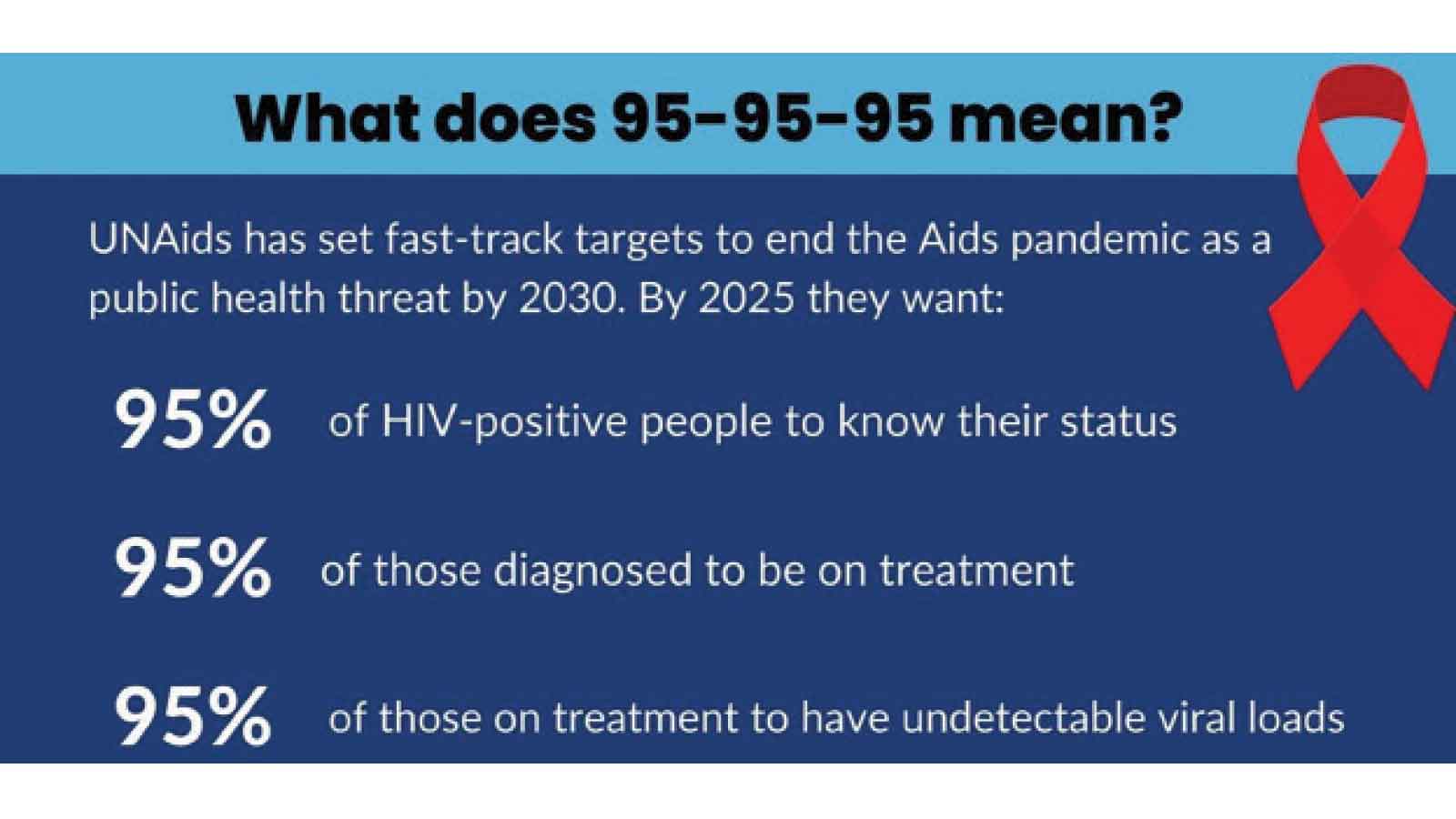
Rumbidzayi Zinyuke
Health Buzz
ZIMBABWE joined the world in marking World AIDS Day yesterday.
Decades of disciplined public health work and strong community action have delivered major progress in the fight against HIV.
The progress is measurable. National estimates confirm that adult HIV prevalence has fallen sharply over the past decade. Public health experts link this to sustained testing, wider access to antiretroviral therapy (ART) and community models of care that take treatment closer to people.
According to statistics, the country reached the UNAIDS 95-95-95 targets in 2022 and has now surpassed them. Today, 97 percent of people living with HIV know their status, more than 95 percent are on life-saving antiretroviral treatment, and 96 percent of those on treatment are virally suppressed. Few countries have reached this level of epidemic control.
Zimbabwe has about 1.3 million people living with HIV, and well over a million are on treatment with high viral suppression. This progress did not happen by chance.
It is the result of years of investment in programme design, community mobilisers, routine antenatal testing, and prevention of mother-to-child transmission (PMTCT). Authorities credit strong awareness campaigns, high testing coverage and solid viral suppression rates as the building blocks of Zimbabwe’s success.
But celebration must be balanced with realism.
The calm on the surface hides uneven progress. Children and adolescents still lag behind adults in testing, treatment continuity and viral suppression. Young women remain at higher risk.
And key populations, including sex workers, men who have sex with men and transgender people, face legal and social barriers that keep many away from services. UN agencies and civil society warn that without strong initiatives, Zimbabwe risks leaving these groups behind.
Another major threat is financial fragility. For years, the country depended heavily on external funding from PEPFAR, the Global Fund, bilateral partners and UN agencies. That system worked because global solidarity filled domestic gaps.
But recent reductions and freezes in donor funding have exposed the risks of this model. In 2025, disruptions in services, temporary closures of clinics and job losses were recorded when donor funds dropped. The lesson was clear then. Progress can unravel quickly.
In that context, President Mnangagwa’s World AIDS Day message was more than symbolism.
“Government’s commitment to ensure domestic financing for health is increased to maintain the gains made in fighting HIV and AIDS,” he pledged.
And this commitment couldn’t have come at a better time. There is a lot that needs to be done and it really begins with political will, which the highest office in the land has shown.
And what is now needed is the action to accompany that commitment.
So what must Zimbabwe do?
First, domestic financing must move from pledge to action. While increasing the health budget is essential, the Government must ringfence health funds. These funds should be shielded from short-term cuts to prevent stock-outs and rationing. The President’s commitment provides the political backing needed; Parliament and civil society must help ensure delivery.
Second, the supply chain must be strengthened. The global market is changing fast, with new prevention tools like long-acting injectable PrEP becoming available.
But weak procurement and high prices can lock countries like Zimbabwe out. Pooled procurement, regional manufacturing where possible, and faster regulatory processes can improve access.
Third, Zimbabwe must invest in areas where progress is slowest, children, adolescents and key populations. This means expanding youth-friendly services, school-based prevention and integrated sexual and reproductive health programmes.
It also means funding community groups that support sex workers and LGBTQ+ people. Better district-level data is needed to guide resources to the areas with the greatest need.
Fourth, structural barriers must be removed. Legal reforms, stronger anti-discrimination laws and supportive harm-reduction policies will help expand access to testing and treatment.
Rights-based approaches should be backed by communication campaigns that reduce stigma, which still prevents many from seeking care.
Fifth, HIV services are being integrated into the wider health system and this should be strengthened. Stronger primary care, better TB and NCD screening, and links with maternal and child health services will increase efficiency. Differentiated service delivery, such as multi-month refills, community refill groups and mobile outreach, has already improved retention. Scaling these models with domestic funds will make the system more stable.
Finally, partnerships remain important. Global partners still provide critical technical support and can help with commodities during transition.
But Zimbabwe must lead the agenda, set the financing path and ensure all partners support national priorities.
This is where leadership at the highest level matters most. Political commitment unlocks resources, drives reform and signals seriousness to donors.
World AIDS Day is a time to reflect and to renew commitments. Zimbabwe has achieved milestones many nations admire, high testing coverage, near-universal treatment for adults and strong viral suppression. But sustaining these gains will require stronger systems, fairer access and more predictable financing.
President Mnangagwa’s commitment to increase domestic financing is the right start. What comes next will decide whether the progress of the past becomes the secure public health legacy Zimbabwe needs.
As the world marks another World AIDS Day, the country must ensure it marks many more where no one dies because of Aids.
Zimbabwe can end AIDS as a public health threat by 2030.
Feedback: [email protected]