

 Online Reporter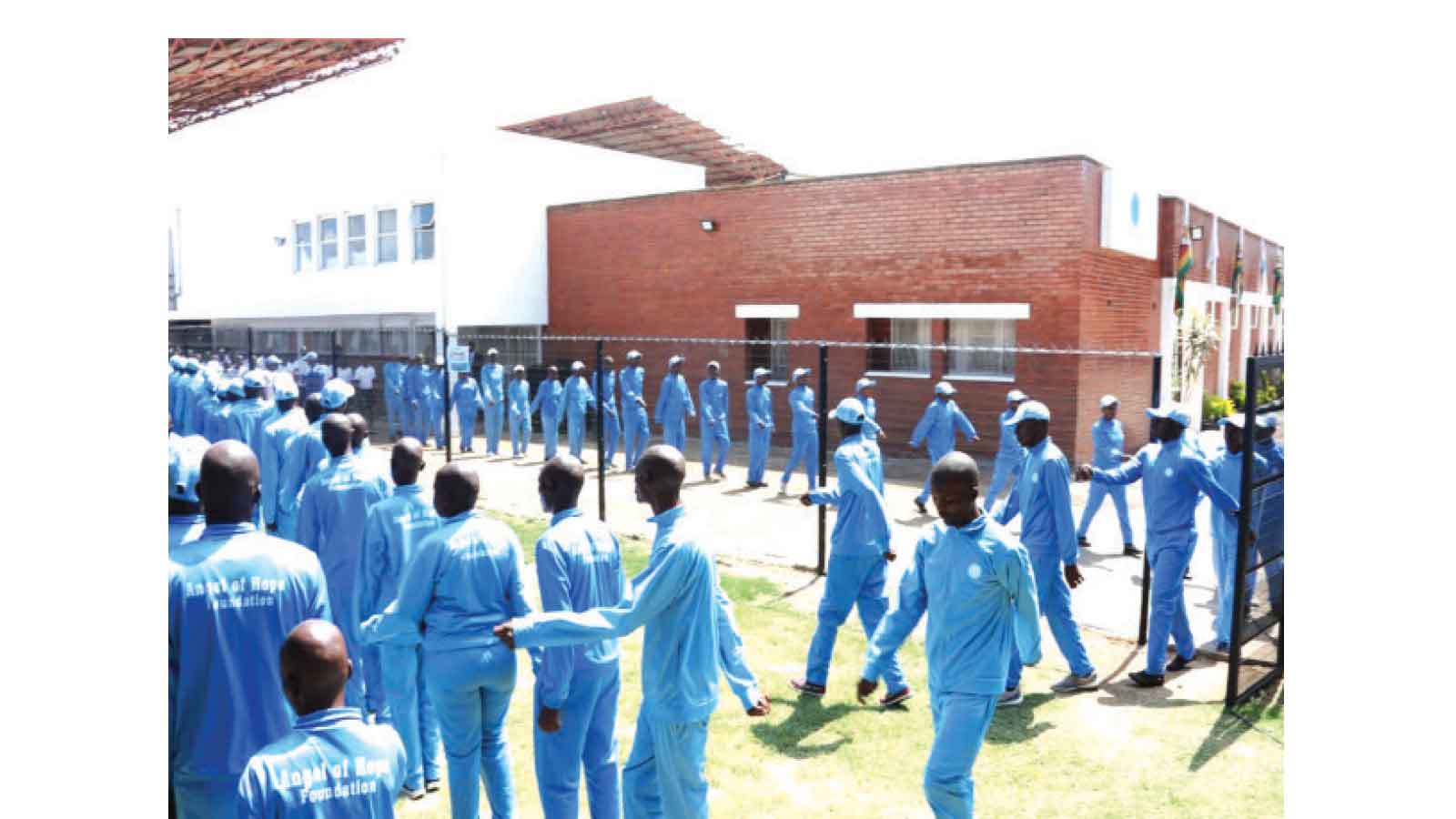
Blessings Chidakwa
Senior Reporter
HOPE burned brighter at the Angel of Hope Drug Rehabilitation Centre in Mbare as the first cohort of survivors returned not only for a heartfelt reunion, but to stand in solidarity with those still on their journey, proving that the battle against drugs can indeed be won through determination and support.
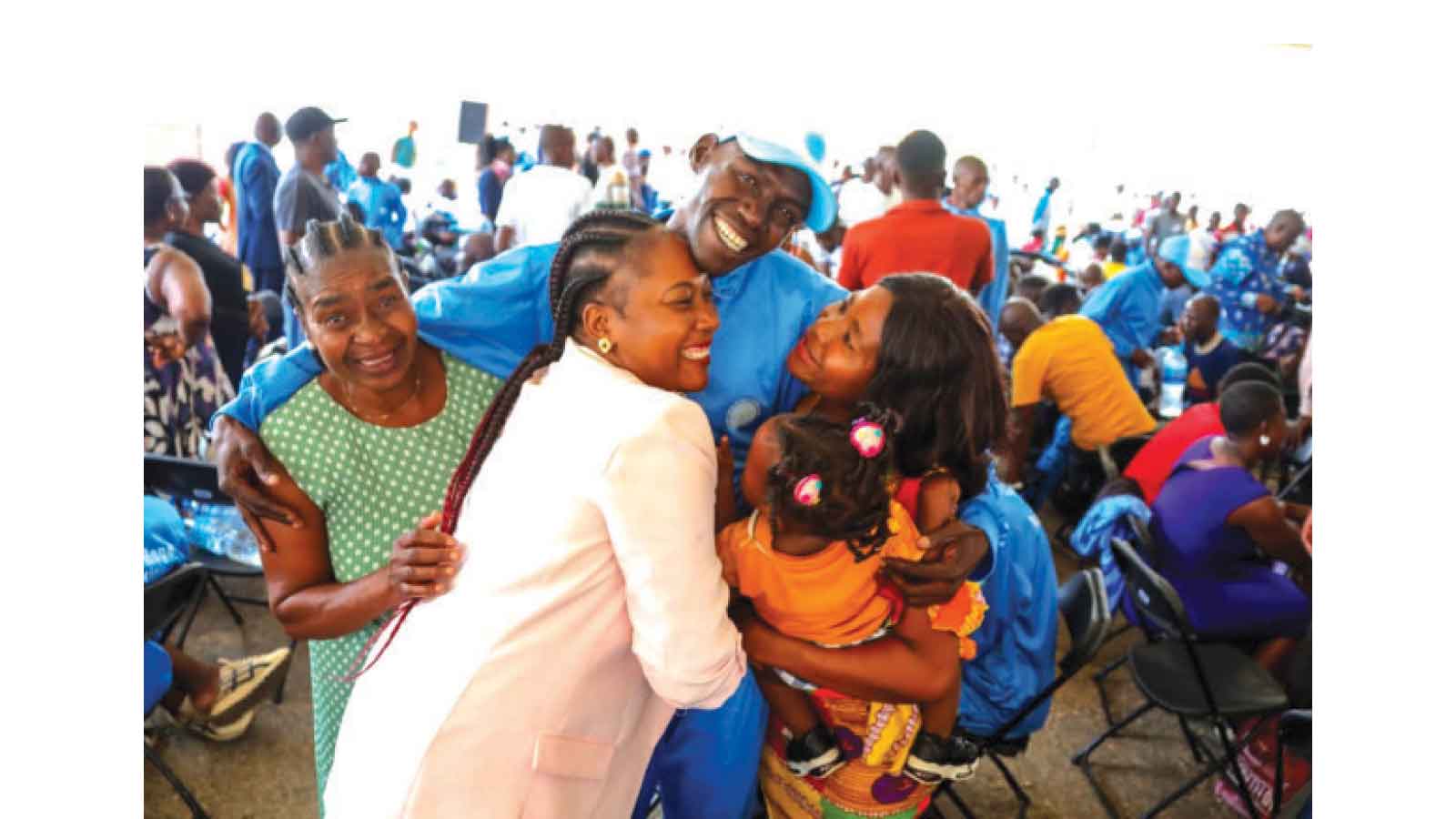
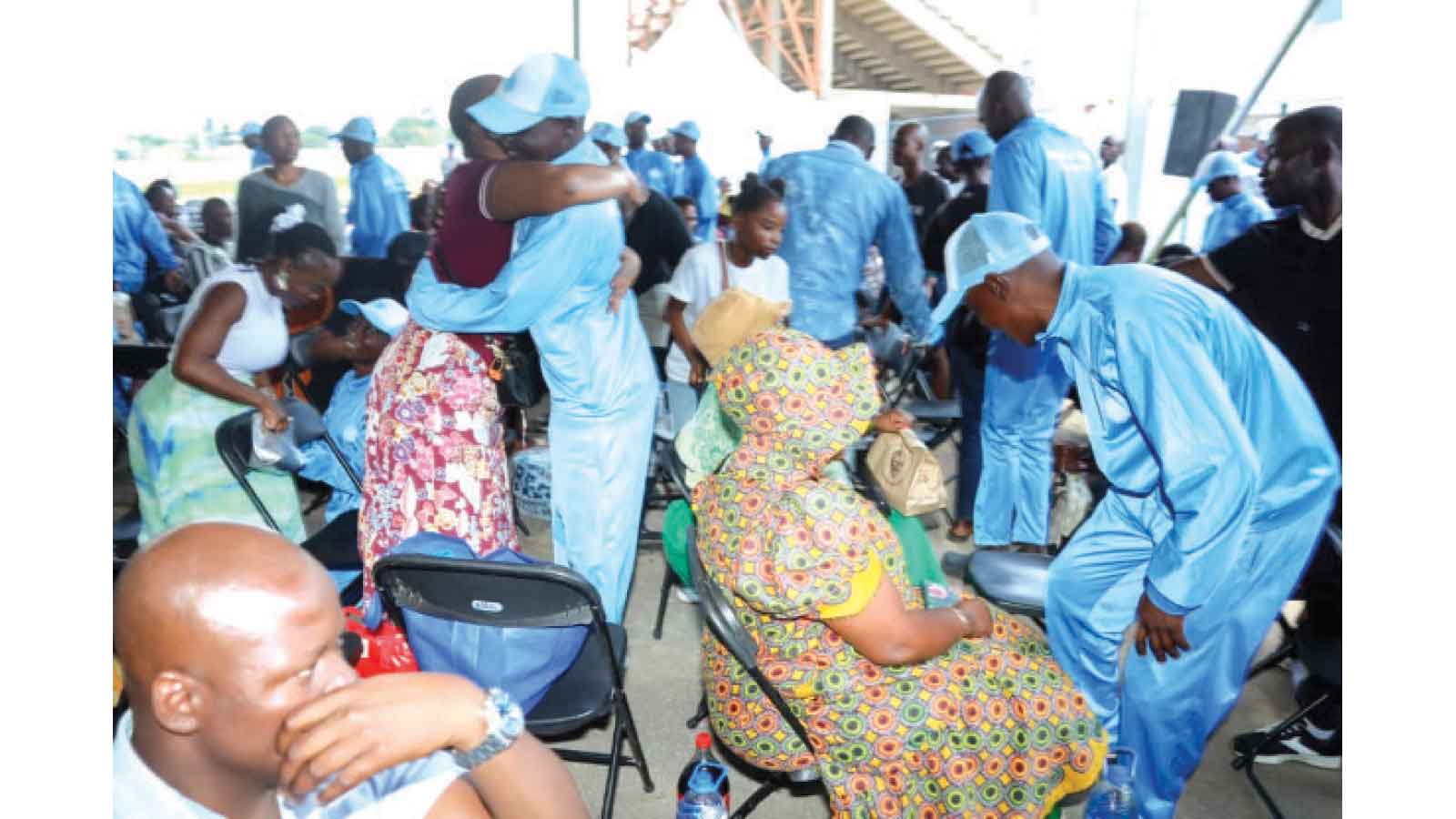
The atmosphere was emotional yet uplifting as families embraced their recovering loved ones, while former patients now thriving shared how their transformation began within the same walls, free of charge, courtesy of the First Lady, Dr Auxillia Mnangagwa.
The centre erupted in applause as past survivors, now trained in vocational skills such as carpentry, dressmaking, catering and more, spoke openly about their journeys. Many recounted the very struggles the current intake is facing, emphasising that victory is possible.
With every touching reunion and each testimony, the Angel of Hope Drug Rehabilitation Centre continues to show that no life is beyond repair and no story too broken to be rewritten. Hope, love and determination remain within reach.
Families watched with gratitude as current patients performed drills, sang and recited poetry, showcasing how far they have come: emotionally steadier, physically stronger and spiritually grounded.
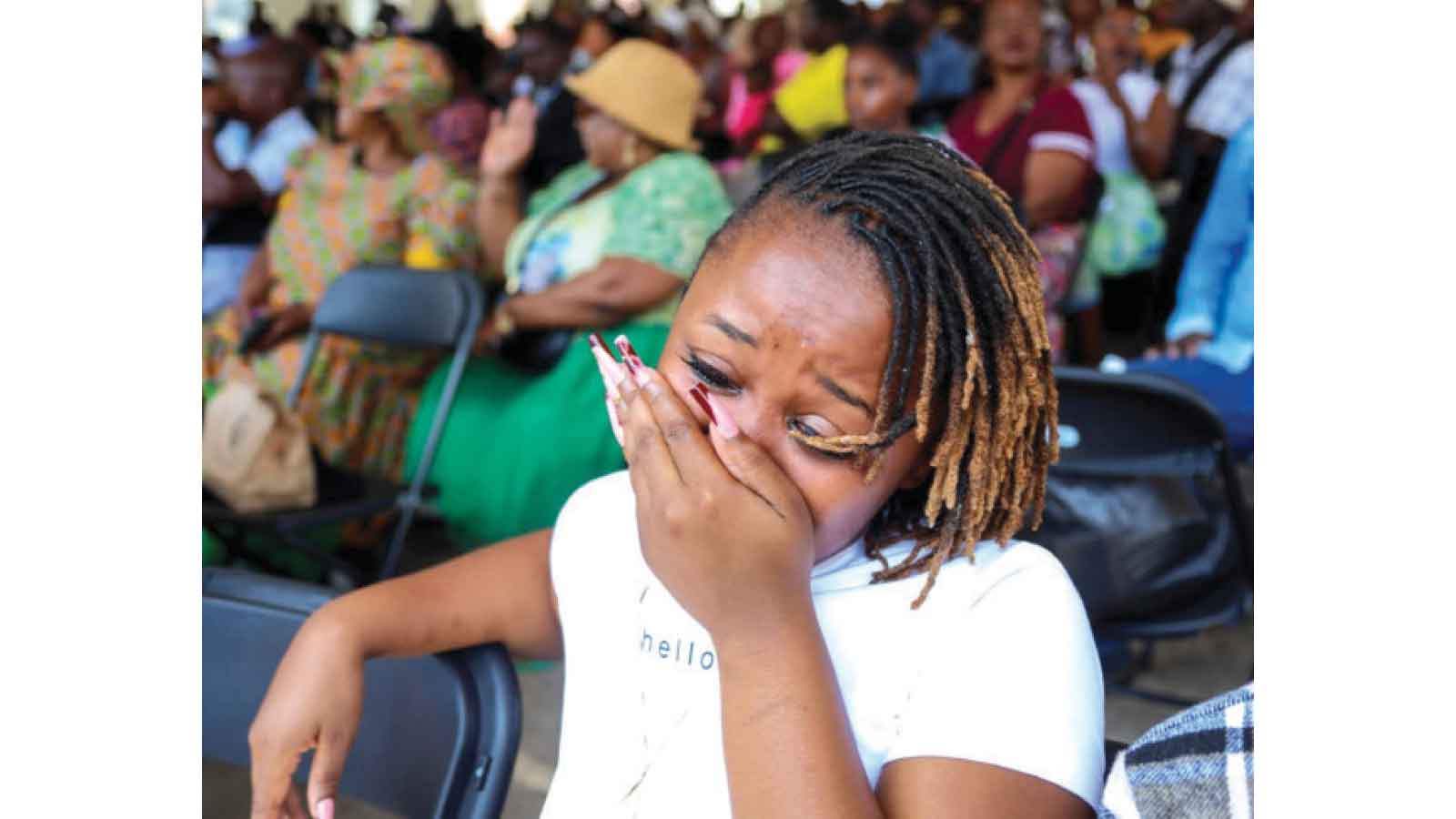
Moments of deep emotion punctuated the day. Parents and guardians cried as their children knelt to apologise for past mistakes, some overwhelmed by remorse, others promising to rebuild broken relationships.
In one poignant moment, a mother gently fed her son, symbolising restored love and trust, a simple gesture that captured the spirit of healing.
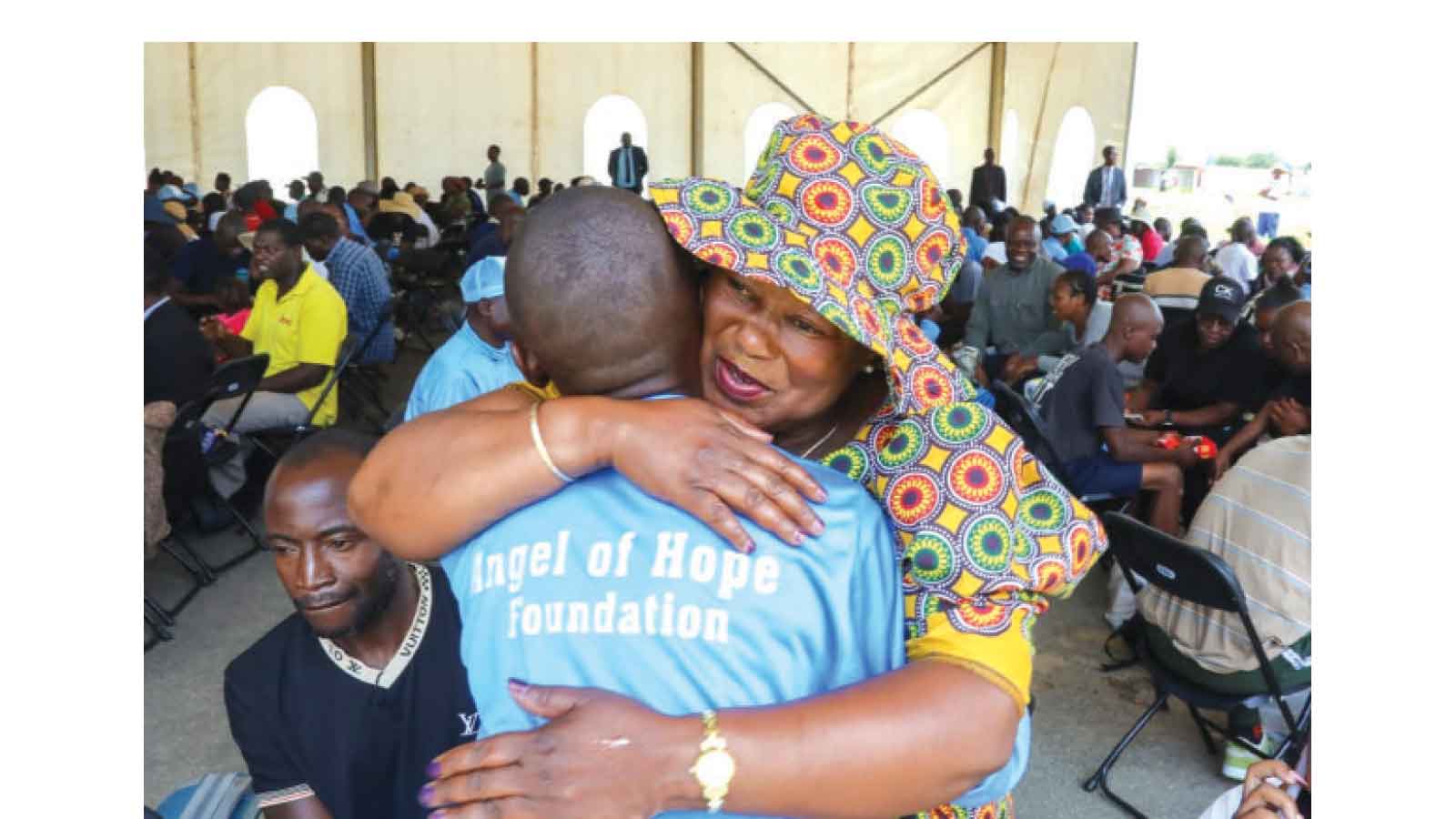
The First Lady spent time with parents, listening to testimonies and encouraging them to continue offering love and support at home, emphasising that recovery flourishes in nurturing, non-judgmental environments. “When you brought them here, they were restless and difficult to handle, and I said, ‘Give them to me and leave them with me.’ Look now skin that had been hidden is glowing because of the improvement they have made,” she said.
“After completing this stage, next week the patients are going for training. Some of them will become the best students. Go and excel. I have never seen anyone who went and came back the same. When they return from training, look after them and take good care of them at home.”
The First Lady commended the progress made by the patients, noting improvements in behaviour, confidence, appearance and communication, reaffirming the programme’s commitment to shaping disciplined, hopeful and self-reliant individuals.
One survivor from the first intake, Ms Emilda Muchenje, a former university dropout, shared how she turned her life around after falling deeply into drug abuse.
“Before rehabilitation, I was always trembling and weak. Here, I recovered and learned discipline. I lost myself along the way. I dropped out of university because drugs had taken over, and I failed to complete my diploma.
“But today, I thank God for sending us an angel, Dr Auxillia Mnangagwa, who rescued us from the prison of substance abuse. We were helped here free of charge. Our instructors welcomed us when we were broken and unable to do anything for ourselves,” she said.
Now trained and certified in dressmaking, Ms Muchenje said she is living a transformed, drug-free life and encouraged others to remain steadfast in their recovery.
“I became one of the most improved students and even received recognition for discipline. Today, I hold a certificate in dressmaking. I now sew while sober, no drugs, no alcohol. “I am grateful to our First Lady for her compassion. I also encourage others who have gone through rehabilitation to completely leave drugs behind. Forward ever, backward never,” she said.
Another survivor, Mr Casper Kudakwashe Mandongwe, expressed deep gratitude for the life-changing work done at the centre.
“Speaking from personal experience, the training I received here was exactly what I needed after years of struggling with drugs. I was taught that life can be lived and work done without substances.
“I was reintegrated into society and learned to respect my parents and every elder in the community. I learned to reflect on my past mistakes even those I once believed were right and to accept correction from people who truly know the right path.”
He encouraged others still fighting addiction to embrace discipline and listen to guidance.
“To my fellow brothers and sisters, listen to the guidance you receive. The people helping us know how to mould us into better human beings. We must look up to them, learn from them and walk with discipline.
“The first lesson is to respect our parents. Once we do that, overcoming drug and substance abuse becomes possible. To parents, please do not lose hope,” he said.
Mr Mandongwe said the Angel of Hope Rehabilitation Centre is fast becoming a model worldwide.
“This challenge did not start in Zimbabwe, but it found its way here. I sincerely believe that although it did not originate in our country, it will be defeated here.
“In a short period, I believe Zimbabwe will be sending experts to other countries to show them how we conquered this fight,” he said.
Mr Willie Dzvova also shared his transformation, recalling how he once spoke harshly to his mother, only later realising she was carrying him toward his blessing.
“Through rehabilitation, I was taught discipline. I used to take drugs thinking they would help me fit into society, not knowing that the same society saw us as outcasts,” he said.
“But the First Lady looked at us with love and created a platform for us to heal, learn and rebuild our future. Today, I am a carpenter capable of roofing a house, something I never imagined when I was trapped in drugs.”
Mr Dzvova said the First Lady’s compassionate heart reflects that of His Excellency, whose mantra is “leaving no one and no place behind.”
“Recently His Excellency reminded youths that we play a pivotal role in building our nation. But he also said, ‘How can you build a nation when you are not sober, wakasticker?’ We need a drug-free community for us to build our future,” he said.
Ms Beauty Mpondi (20) shared how she overcame her struggles after being brought in by her aunt.
When I arrived, I was weak mentally and physically. But through the First Lady’s initiative, I received support. I was taught that as a young woman, I must rise and work for myself,” she said.
She revealed that as survivors they have formed an association to encourage others still battling addiction.
For Mr Brighton Nyamakura, who previously smoked marijuana daily, transformation has been life-changing.
“I spent the whole day doing nothing. When sent on errands, I never listened. I was the one who always carried drugs and gave them to others. But when I came here, I realised things had changed. I was taught discipline, and my life has never been the same,” he said.
The current intake will soon complete the final stages of the programme before proceeding to skills training, joining many survivors flourishing in various trades.
Parents expressed amazement at the visible changes.
A once-fearful mother was moved to tears:
“He knelt before me and apologised. He is calm and respectful. This is a new child.”
Another guardian, who brought his nephew in chains, marvelled at his transformation:
“Today he speaks with clarity and purpose. This change is real.”
One parent praised the high level of professionalism at the centre.
“When I arrived with my child, you asked me to leave them so you could work with them, and I saw that you truly handled everything. I received regular phone calls updating me on progress. My child has humbled himself. Being hugged and hearing him speak honestly means so much to me.”
Another parent thanked the First Lady for bringing hope to Zimbabwe and beyond.
“My child is gaining weight again. Seeing them clean, well-dressed and eating well shows how much progress they have made. I saw people here from all over the country. This programme is reaching far.”


The irony of it is some drug users go to jail if caught but those who admit to the crime through registering into drug rehabilitation centres are given a new lease of life. Can you imagine having rehabilitation centres for thieves and murderers who admit to their crimes outside of the prison system and they also are given new leases of life? Very interesting, isn’t it?