Africa Moyo
Deputy National Editor
NESTLED just a few kilometres from Maputo International Airport, the Mozambique National Heroes Acre or Praça dos Heróis Moçambicanos, stands as a breathtaking tribute to the nation’s valiant warriors, who fought for freedom.
The stunning site is not only a memorial, but also a serene space for reflection, showcasing the beauty of Mozambique’s landscape alongside its rich history.
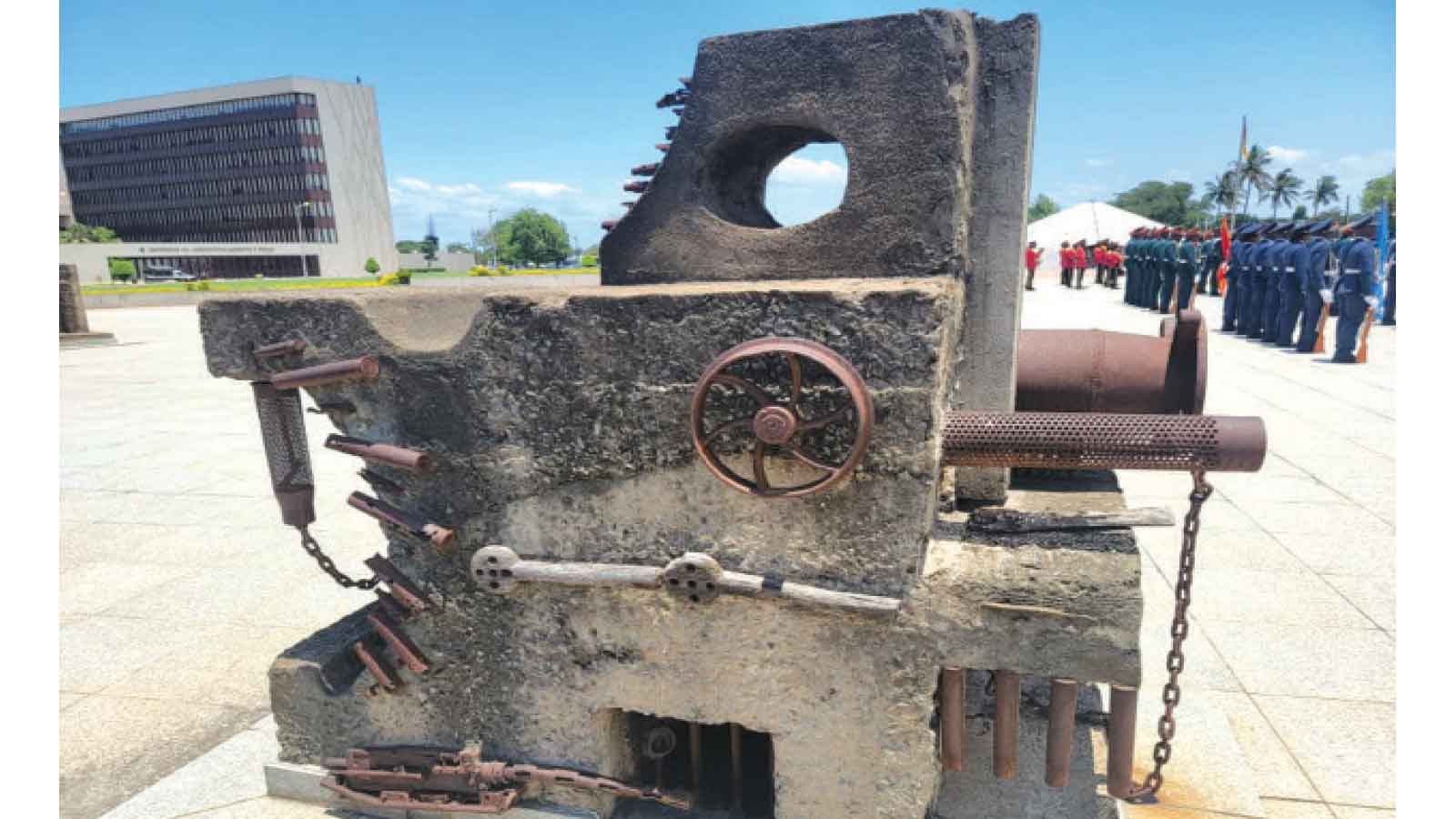
At the centre of the Heroes’ Acre lies the striking Heroes’ Crypt; a star-shaped structure crafted from gleaming white marble, symbolising purity and valour. It houses the remains of revered national heroes, inviting visitors to pay homage to their bravery. One of the most poignant features of this memorial is the preserved wreckage of the aeroplane that carried Cde Samora Moises Machel, Mozambique’s beloved founding President.
His tragic demise is memorialised here, serving as a powerful reminder of the sacrifices made for the nation’s independence.
As one wanders through this hallowed ground, the legacy of Cde Machel and other luminaries like Cde Eduardo Chivambo Mondlane, the first leader of FRELIMO and stalwarts like Cde Belmiro Obadias Muianga and Cde Marcelino dos Santos, comes alive.
They played pivotal roles in shaking off the chains of Portuguese colonial rule and their contributions continue to inspire pride and resilience among the people of Mozambique.
On October 19, 1986, Cde Machel tragically died in a plane crash, a development that deeply affected many Mozambicans and solidified his status as a national hero.

His plane, a Soviet Tupolev 134, crashed into a hillside at Mbuzini, just inside South Africa as he was returning to Maputo from a summit held in Mbala, Zambia.
Some pieces of the plane have been taken to the National Heroes’ Acre in Maputo while the larger pieces are at Mbuzini, where there is a distinct monument with 35 steel tubes that “wail” in the wind, representing the lives lost in the plane crash.
Visitors to the Mozambique Heroes Acre often stop to reflect on the significance of this wreckage, symbolising both the end of an era and the enduring spirit of resistance.
The National Heroes Acre is not only a tribute to Cde Machel, but also a showcase of artefacts used during the liberation struggle against colonialism.
Among these are various weapons that illustrate the intense battles fought by Mozambicans for their independence, which came in 1975.
These relics tell the stories of countless individuals who stood up against colonial oppression, reminding visitors of the cost associated with freedom.
As one walks through the sprawling grounds of the Heroes Acre, the atmosphere is both sombre and inspiring.
The art and architecture surrounding the site reflect the cultural heritage and the deep-rooted values of solidarity and unity among the Mozambican people.
Last Saturday during his State visit and inaugural Zimbabwe Mozambique Bi-National Commission, President Mnangagwa paid homage to these heroes.
In an interview after laying a wreath at the monument to the heroes of the national liberation struggle of Mozambique and later placing flowers on the tombs of the many heroes including Cde Machel, President Mnangagwa spoke about the importance of remembering the sacrifices made for freedom and urged the younger generation to keep the flame of independence burning.
“I think it’s not only a privilege, but an honour that I have been given as I visited Mozambique, to lay my wreath at this shrine, representing the Republic of Zimbabwe,” he said.
“The people who lie at this shrine reflect how this country struggled for independence; they are the heroes who brought this country’s independence that you enjoy today.
“To the younger generation I say to them, the freedom they enjoy today didn’t come on a silver platter; people died for it, people became lame to bring about this freedom they enjoy today, the education they enjoy today.
“The way they are now interacting with the free-world is a result of those who fought in the armed struggle, resulting in independence.”
President Mnangagwa noted the distractions that modern technology can present, warning young people not to lose sight of the struggles that paved the way for their current lives.
He encouraged them to engage with history, understanding the trials faced by their forebears, so they can appreciate the values of freedom and unity.
Young people who congregated across the road, waved at President Mnangagwa as he walked back to his car, and he duly acknowledged them by waving back, much to their joy.
President Mnangagwa’s remarks resonated with the crowd as they reflected on their identities in a rapidly changing world due to technology.
In separate interviews, many young people expressed a desire to learn more about their country’s history and to ensure that the values of courage and dedication continue to guide their lives.
President Mnangagwa’s visit to the shrine served to reinforce the importance of sites such as the Mozambique National Heroes Acre.
It provided an opportunity for reflection, not only on the past, but also on the rights and freedoms that many continue to enjoy today.
As they stared at the memorial, the youths expressed their commitment to carrying forward the legacies of those who sacrificed everything for independence.
As President Mnangagwa emphasised, the responsibility now lies with the youth to honour these legacies, fostering a sense of pride in their heritage while navigating the complexities of the modern world.
Just like in Zimbabwe, political analysts say it is crucial for Mozambicans to keep the flame of independence alive, allowing the spirit of those who fought for freedom to continue inspiring future generations.