daniel chigunwe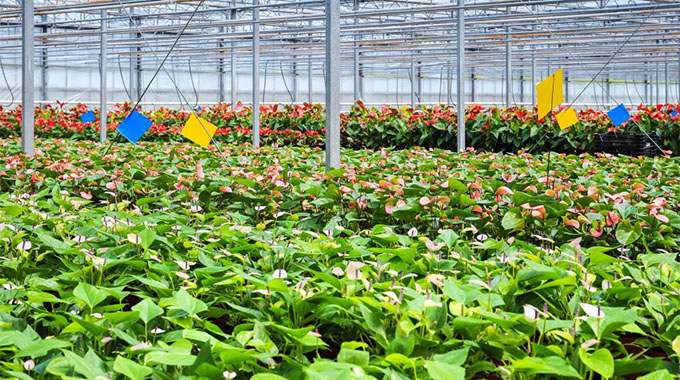
Rutendo Nyeve
Victoria Falls Reporter
ZIMBABWE is experiencing a surge in horticultural production that is not only reducing the import bill, but also reigniting hopes of reclaiming the country’s status as the “breadbasket of Africa”.
The turnaround is being driven by expanded irrigation and a shift towards high-value crops, with horticulture emerging as one of the most resilient sectors in the face of climate change.
Once affected by droughts and attendant economic challenges, the country’s agricultural fortunes are being revived by thriving fruit and vegetable production.
Official data confirms that Zimbabwe has achieved self-sufficiency in several key vegetables, halting imports entirely for staples such as potatoes and cabbage.
The Permanent Secretary in the Ministry of Lands, Agriculture, Fisheries, Water and Rural Development, Professor Obert Jiri, said the latest crop assessment revealed strong growth in the horticulture sub-sector.
“Of course, it is not largely affected by these droughts because horticulture is ordinarily produced under irrigation. But for potatoes, for example, we are producing excess and we need 9 750 hectares of potato countrywide,” he said.
Prof Jiri said the country currently has more than 5 000 hectares under potatoes. “Now in this second half of the year, we expect farmers to do more than the 4 000 that is left. So we are really seeing more and more farmers, particularly those who are in the peri-urban and closer to major cities, going into these high-value horticultural crops,” he said.
Prof Jiri said Zimbabwe is not importing any potatoes because it is producing more than enough.
“We are not importing cabbage, vegetables and so forth because we are producing more than enough. Of course, we still have pockets where these are required here in Zimbabwe in huge quantities,” he said. “Our resort areas, Victoria Falls, require large quantities of vegetables for the horticultural business. We need our farmers to focus there, but by and large, we are seeing real growth in terms of horticulture.”
Prof Jiri noted that crops such as potatoes, blueberries, pecan nuts, chilli and snap beans are on the rise, with more farmers, especially in peri-urban areas, embracing high-value irrigated farming that guarantees better returns.
“This growth is not accidental. It is the result of concerted efforts by both small-scale and commercial farmers, particularly those in peri-urban areas, who are pivoting towards irrigated, high-value crops that guarantee better returns and are less vulnerable to erratic rainfall,” he said.
“Complementing the horticulture success is the robust Winter Cereals Plan, which aims to ensure national grain self-sufficiency.”
The Government has targeted 135 500 hectares for winter cropping, comprising 120 000 hectares for wheat, 6 500 hectares for barley, and 9 000 hectares for potatoes.
The wheat crop alone is estimated to yield 600 000 tonnes, a figure that would help meet national demand.
To protect these valuable harvests, the Government has implemented a proactive strategy against potential threats. “Quelea bird surveillance is ongoing in all provinces. We want to assure the nation that there is enough manpower, vehicles, sprayers, and chemicals to respond swiftly to any outbreak, with localised district teams already activated to safeguard the fields,” said Prof Jiri.



 Online Reporter