Chronicle Editor
Judith Phiri, Business Reporter
THE Horticultural Development Council (HDC) is rolling out a new programme to empower women farmers with practical skills to thrive in horticulture.
This comes as Zimbabwe’s horticulture sector is growing and is fast emerging as a major driving force in the development of the agricultural sector.
The sector’s growth plan has triggered a hectarage growth for horticultural produce around the country as Zimbabwe is pushing to transform the industry into a US$1 billion sector by 2030.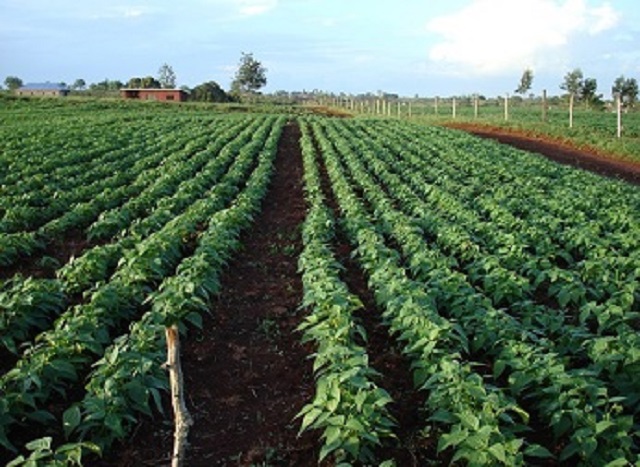
In a recent post on X, HDC said they were empowering women in the horticultural sector.
“In rural Zimbabwe, women contribute 70 percent of household labour and drive food production. Yet, they face barriers to resources and skills. Our new programme, Unleashing Women’s Potential, empowers women farmers with practical skills to thrive in horticulture. Looking forward to it,” said HDC.
It said the sector’s growth was a critical component of the Horticulture Recovery and Growth Plan, which aims to develop the horticulture sector into a US$1 billion industry.
In a previous interview, HDC chief executive officer (CEO), Ms Linda Nielsen said Zimbabwe earns US$120 million annually from exporting horticultural products, while the sector was a significant contributor to the country’s gross domestic product (GDP) and employment.

She said to reach the target of US$1 billion by 2030, the industry needs an investment of at least US$1,2 billion.
“This would create 150 000 more jobs. Achieving this goal will require a conducive policy environment, which includes reviewing compulsory liquidation for exporters, ensuring investment security for long-term planning, maintaining policy consistency to build confidence and providing affordable and reliable basic utilities,” she added.
In terms of blueberry production in the country, Ms Nielsen said Zimbabwe’s blueberry sector was one of the fastest-growing globally in 2023 and the country was one of the top 15 blueberry-producing countries.
She said the sector grew from 500 hectares planted in 2016 to 570 hectares in 2023, while further growth was anticipated this year to 650 hectares.
“However, there is potential for more growth. Peru had just 70 hectares of blueberries in 2012, but now has 16 000 hectares, exporting 287 000 tonnes worth US$1,4 billion. Zimbabwe can learn from Peru’s deliberate policies to support farmers.”
Ms Nielsen said investment capital was holding back Zimbabwe from getting to their goal of 30 000 metric tonnes of blueberries grown by 2030, as the country was targeting to make their blueberry industry the fastest-growing in the world.
She said their long-term goal was to reach 1 500 hectares of blueberry cultivation by 2030, producing 30 000 metric tonnes.
“This could bring in as much revenue as our total horticultural exports did back in the 1990s. But to do this, we estimate that growers would need a major investment of around US$240 million in new investment,” she added.



 Online Reporter