admin
admin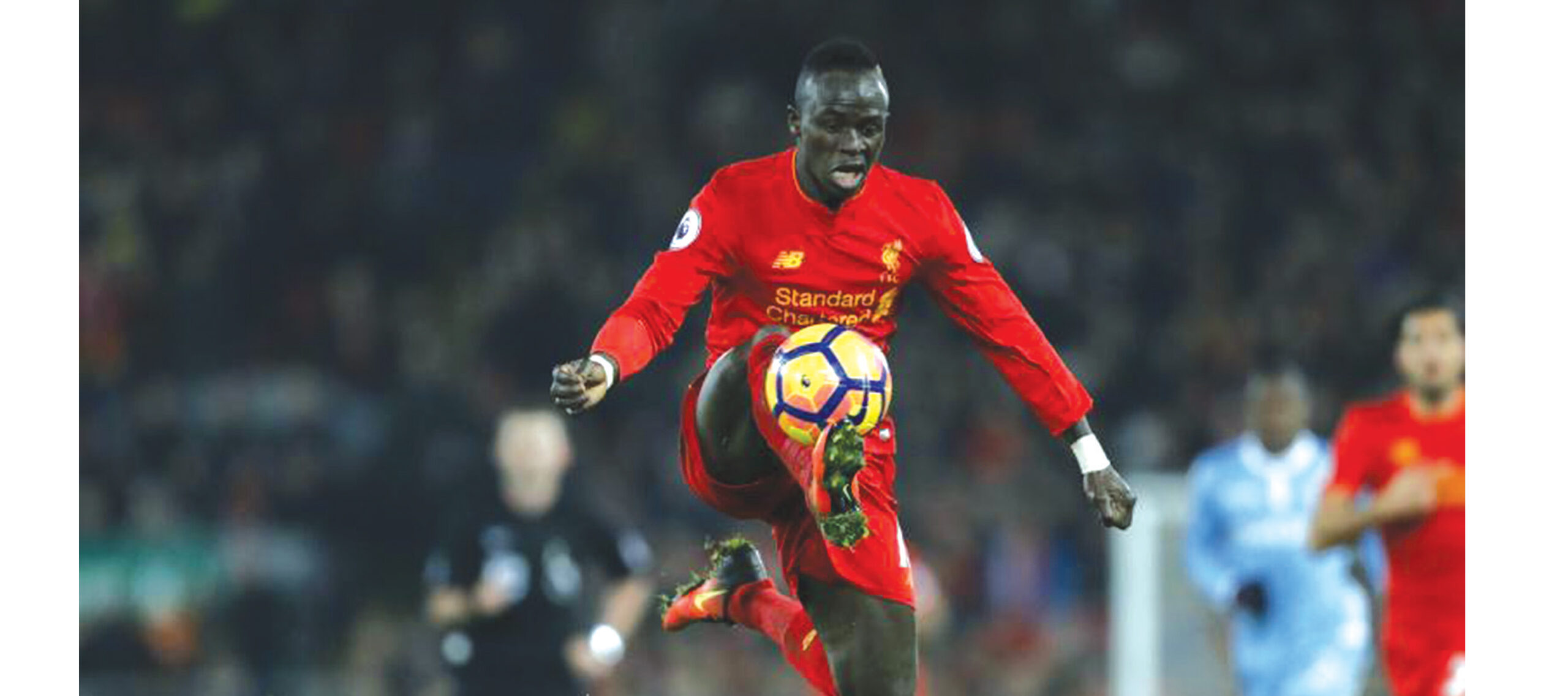
THE ever-developing popularity in signing African footballers has seen the number of Premier League players involved in the Africa Cup of Nations rise for the fourth tournament in a row. So as the Cup of Nations celebrates its 60th birthday and we near the end of its 31st edition, what does it mean for the Premier League?
The Africa Cup of Nations has never shied away from its defiant origins. If anything, the tournament continues to be a challenging force to more heralded competitions.
Created out of the nationalistic movement that spread throughout the continent in the 1950s, as the colonial shackles began to loosen, the Cup of Nations still stands as a beacon for African independence. While it has swayed from a construction promoting the birth of democratic states to a propaganda tool for dictators and back again at varying points, its use as a window onto the best footballers from the continent has never changed.
This couldn’t be more evident than by the upsurge in African footballers playing in the Premier League. The number of players representing Africa has expanded by almost 2000 percent since the League’s first season, a sharp increase at the turn of the century rocketing to a mid-Noughties high of 61 African footballers in 2007/08. It wasn’t until then that the effects of missing players for up to six weeks every other season were fully felt in the League.
A dip between 2011 and 2013, attributed to two Cup of Nations tournaments in consecutive years, stemmed the flow of African players to Britain, before managers were once again interested as the event returned to its usual biannual affair. The ever-developing popularity in signing African footballers has seen the number of Premier League players involved in the Cup of Nations rise for the fourth tournament in a row. So as the Cup of Nations celebrates its 60th birthday and we near the end of its 31st edition, what does it mean for the Premier League?
Quite simply, it could decide the title this season. Liverpool’s chase of leaders Chelsea was down to five points, with their own spot in second place fortified by a four-point gap over Arsenal when Sadio Mane joined up with his country, Senegal. Liverpool were six games unbeaten. Yet during his absence, the Reds have managed to secure just a single point, falling to fourth and slipping further behind in their pursuit of Antonio Conte’s side. Ten points separate the two clubs at the time of writing.
While Liverpool are left to rue Mane’s international obligations, Chelsea will relish the fact that Victor Moses wasn’t required for the Cup of Nations after his country, Nigeria, failed to qualify. The formation and tactics deployed by Conte this season — using three central defenders with two wing-backs — has made Moses a vital element in Chelsea’s relentless winning machine. Playing on the right-hand side, in between the defence and attack, Moses’ inherent need to get forward has seen him flourish in the space left by those ahead of him.
Moses’ ability to call on his skill and pace out wide, as well as move inside or make a cross, would have left Conte little in the way of readymade replacements if the African had gone to the Cup of Nations. Just as Mane’s exit put a brake on Liverpool’s drive, Moses remaining in Britain has allowed Chelsea to push on and tighten their control on the top spot.
It’s not just at the top of the table where the Cup of Nations has affected the League. The lower half are dealing with the difficulties it inflicts too. Reigning champions Leicester were without two of their strikeforce in Riyad Mahrez and Islam Slimani, who joined up with Algeria. They failed to record a point while the pair were away, and edged closer to the bottom three following two defeats. It’s a tale that can be repeated for Sunderland and Crystal Palace as well. The former dropped to the bottom of the League following the loss to West Brom, while Crystal Palace fell into the relegation zone. Both sides were missing key players: Wilfried Zaha for Palace, and Didier Ndong and Lamine Kone for the Blackcats. All return for the next set of games, but the damage may have already been done.
For sides coming off the back of a tormenting winter schedule that sees most teams play six Premier League matches in 25 days, the loss of a player or two to an already depleted and weary squad can have long-lasting repercussions. With fewer players available for the domestic fixture pile-up, injuries are common, and if funds aren’t forthcoming to bring someone else in, then season objectives are swiftly derailed.
The effects of the Cup of Nations don’t end after the tournament is completed, either. Players return tired from the struggles of international encounters, weighed down by the requirement to win back their club place. For, although they may have demanded a starting position previously, it’s not always so easy to dislodge the person who’s stepped in while they’ve been away.
In truth, the Premier League has a lot to thank the Cup of Nations for, not least widening the pool of players club sides can strengthen from. But it comes at a heavy price, far beyond the transfer fees. — Online


 Online Reporter