tawandamusarurwa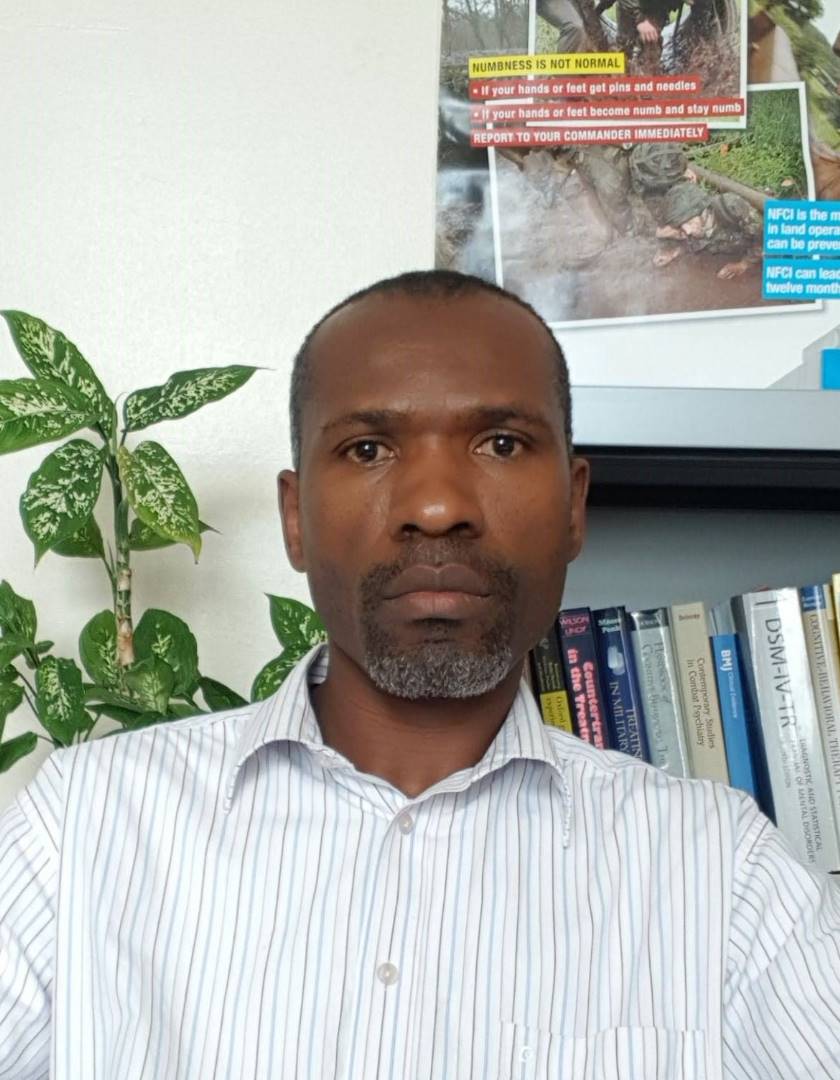
Mertha Mo Nyamande
WHEN two people walk into a shop and witness someone doing something stressful, they are both going to feel something about it.
The response does not matter whether they were raised in the same family or not; grew up on the same continent or not; or whether they are male or female.
A lot of our responses come from much deeper and often unconscious parts of our minds. These are patterns that we have learnt much earlier in our childhood as we were growing up; the things that were done or said to us mostly. Most of these are what form our attachment styles to whether we like cheese or peanut butter or if we easily trust others or not.
The attachment theory focuses on how we relate to a caregiver. A parent, or both, determine how safe and secure we feel later on in life. We have what is known as psychological safety. We know that if things are to go wrong, we can always return to our safe place.
But if we never felt safe, we were abused, ignored, humiliated and let down earlier in our childhood, we will likely feel threatened by most things in life. We become afraid of failing and making mistakes. We fear that we only have one chance and if it is blown, there is never going to be another.
This is why some people look at life as a glass half empty, while others consider it as half full. Attachments are responsible for the outcomes in our lives and are linked to our confidence to explore new things in life or to stay in a very small bubble that we feel safe in.
It is easier to connect to others and create deeper and meaningful friendships when we feel secure, and the reverse is true.
Anxiety and depression are rooted in poor attachments and fractured relationships with those closest to us. We, therefore, find that at the core of most mental disorders and illnesses are poor attachments.
Most people who were not raised by their biological parents often have some unconscious issues of abandonment. This is regardless of them having everything their parents could have given them and more.
A child who is raised in an institution, away from its biological parents, will almost struggle with having a sense of belonging or will have difficulties managing relationships, compared to one raised in a nucleus family by emotionally present parents.
It is never really about having a roof over your head, good food and clothes, but more about having a deeper sense of belonging and connectedness with the people around you.
A child born to poor parents and moved to a richer family will likely struggle equally as a child born in a family that is characterised by domestic violence who is moved to a safer foster family. Children will almost always want their parents to be happy.
In essence, struggling families require better support to remain intact. A family can collapse through separation, divorce or death.
Children may not always understand the difference, but they can sense that they may have been the reason for the misfortune. As they become mature, they can have a better understanding of the issues. Such is the volatility of children. Their emotions and behaviours are affected by the attachments that surround them.
This is why scarring events in childhood tend to resurrect in adulthood as an issue of some kind — behaviourally, emotionally or cognitively.
Attachment issues are also strongly linked to addictions and complicate traumatic responses, as there is usually a void to be filled or sensitivities to be carefully managed. To resolve attachment issues, there is need to create a safe environment for the individual to learn how to find a safe psychological base with an unconditional positive element they would have lacked. It may be difficult to remedy these in older adults, as much would have been ingrained in their personalities.
It is difficult to receive love when there is no foundation for it. It is not easy to trust when your emotions are running wild.
A compassion-focused approach is most helpful as an intervention, as well as acceptance that it was not anyone’s fault but just the circumstances.
Mertha Mo Nyamande is a psychotherapist. He can be contacted on: [email protected] or @ www.i-wellbeing.weebly.com



 Online Reporter