

 Online Reporter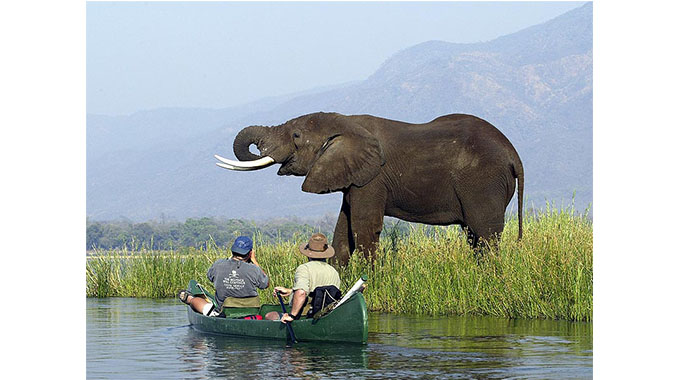
Innocent Mujeri
ZIMBABWE’s hosting of the SADC Transfrontier Conservation Areas International Conference and Summit from May 19-23, 2025, marks a significant milestone in the country’s journey towards becoming a regional leader in sustainable development and environmental stewardship.
This prestigious gathering of African Heads of State, conservation experts, and international partners at Harare’s International Conference Centre represents far more than a routine diplomatic event – it is a powerful validation of Zimbabwe’s growing influence in shaping Africa’s conservation future and a testament to the nation’s commitment to balancing ecological preservation with economic progress.
The choice of Zimbabwe as host speaks volumes about the international community’s confidence in the country’s conservation credentials and its ability to facilitate crucial regional dialogues on biodiversity protection.
At the heart of this summit lies Zimbabwe’s opportunity to showcase its impressive conservation track record, while positioning itself as a hub for innovative environmental solutions.
The country’s participation in major transfrontier conservation initiatives, like the Kavango-Zambezi (KAZA) TFCA, which spans five Southern African nations, demonstrates its capacity for cross-border environmental cooperation.
Zimbabwe’s world-renowned protected areas, including the UNESCO-listed Mana Pools and the vast Hwange National Park, serve as living examples of successful conservation models that protect biodiversity, while supporting local communities.
These achievements provide Zimbabwe with a strong platform from which to lead discussions on expanding protected areas, enhancing wildlife corridors, and developing sustainable tourism frameworks during the summit.
The economic implications of hosting this high-profile event extend far beyond its immediate duration. As delegates from across Africa and international partners converge in Harare, Zimbabwe has a golden opportunity to attract investment in its burgeoning eco-tourism sector.
The summit’s focus on sustainable tourism development aligns perfectly with Zimbabwe’s national priorities, offering a chance to showcase the country’s spectacular natural assets to potential investors and high-end tourism operators.
This could catalyse much-needed foreign direct investment in lodge construction, wildlife management infrastructure, and community tourism initiatives, creating employment opportunities in rural areas where they are most needed.
The participation of European Union and German development representatives is particularly significant, as these partners bring not only funding, but also technical expertise that could help Zimbabwe modernise its conservation approaches and tourism offerings.
Beyond tourism, the summit presents Zimbabwe with a strategic platform to strengthen its position in regional climate resilience efforts.
With climate change posing increasing threats to Africa’s ecosystems and food security, Zimbabwe’s leadership in promoting transboundary conservation solutions could position it as a key player in continental climate adaptation strategies.
The inclusion of disaster risk reduction in the summit agenda reflects growing recognition that environmental protection and climate resilience are inseparable challenges, and Zimbabwe’s experiences with droughts, floods and changing weather patterns give it valuable insights to contribute to these discussions.
By sharing its lessons learned and innovative approaches, Zimbabwe can help shape regional policies that address both conservation and climate change in an integrated manner.
The human dimension of conservation forms another critical aspect of this summit’s significance for Zimbabwe. The country’s pioneering CAMPFIRE programme, which devolves wildlife management rights to rural communities, offers a model for how conservation can directly benefit local populations.
As summit discussions turn to community involvement in protected areas, Zimbabwe has important experiences to share about creating economic incentives for conservation through controlled hunting, photographic tourism, and sustainable resource use.
This knowledge exchange could help refine community-based conservation models across the region, while opening doors for Zimbabwe to access international funding for expanding such programmes. The summit provides an ideal forum to advocate for conservation approaches that simultaneously protect biodiversity and alleviate rural poverty – a combination that could transform livelihoods in Zimbabwe’s wildlife-rich areas.
On the diplomatic front, hosting this gathering allows Zimbabwe to deepen its regional partnerships and assert its leadership within the SADC bloc.
In a continent where environmental challenges increasingly require collaborative solutions, Zimbabwe’s facilitation of high-level discussions on transfrontier conservation could strengthen its relationships with neighbouring countries and international partners.
The anticipated signing of new conservation agreements and management frameworks during the summit may create fresh opportunities for Zimbabwe to participate in cross-border wildlife initiatives, anti-poaching collaborations, and joint research programmes.
These partnerships could bring additional technical and financial resources to bolster Zimbabwe’s conservation efforts while enhancing its reputation as a reliable regional partner in environmental matters.
The long-term benefits of hosting this summit could extend well beyond the conservation sector.
A successful event would reinforce Zimbabwe’s image as a capable host of major international gatherings, potentially paving the way for more high-profile conferences and diplomatic meetings.
The infrastructure and organisational capabilities developed for this summit could leave lasting improvements to Harare’s conference facilities and hospitality services.
Moreover, the positive international attention generated by the event could contribute to reshaping perceptions of Zimbabwe as a destination for responsible tourism and sustainable investment.
As preparations for the summit intensify, Zimbabwe stands at a crossroads where environmental leadership could become a defining feature of its national identity and international relations.
The discussions held and agreements forged in Harare may well influence the trajectory of conservation efforts across Southern Africa for decades to come.
For Zimbabwe, this represents more than just an opportunity to host an important meeting – it is a chance to cement its position as a visionary leader in developing sustainable solutions that protect Africa’s natural heritage while driving economic transformation.
The eyes of the conservation world will be on Harare, and Zimbabwe has all the necessary assets – from its spectacular wildlife to its conservation expertise – to make this summit a transformative moment for both the country and the region.



