Chronicle Editor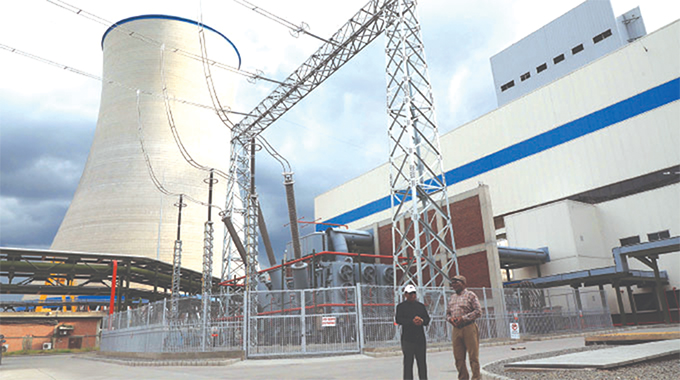
Innocent Mujeri, Correspondent
Zimbabwe, a country once referred to as the “breadbasket of Africa,” has faced numerous economic and social challenges, with one of the most significant being the imposition of illegal sanctions by Western countries, primarily the United States and the European Union.
These sanctions have crippled the country’s ability to access global markets, attract foreign investment and develop its economy.
As we witness impressive infrastructure developments happening across Zimbabwe today, it is impossible not to wonder just how much further the country could have progressed without the burden of these illegal sanctions.
While the proponents of these sanctions have labelled them as “targeted,” their negative effects have spread across all sectors of Zimbabwe’s economy, hindering growth and development.
These sanctions have restricted access to international financial systems, severely limited foreign investment and caused an economic isolation that has disproportionately affected ordinary Zimbabweans.
One of the most debilitating effects of the sanctions has been Zimbabwe’s restricted access to international markets and lines of credit. The global financial system, dominated by Western institutions, has essentially cut Zimbabwe off from opportunities to borrow funds for development projects.
Countries rely on international financial institutions such as the World Bank and the International Monetary Fund (IMF) to fund infrastructure projects, maintain currency stability and manage debt. However, Zimbabwe has been blocked from accessing much-needed credit facilities due to the sanctions, leaving it unable to finance large-scale infrastructure projects at the same rate as other developing nations.
Without the ability to borrow, Zimbabwe has had to rely heavily on its limited internal resources, a challenging task given the country’s already weakened economy. This has meant slower development, with projects taking years, sometimes decades, to complete. In contrast, without sanctions, Zimbabwe could have accessed international loans and investment funds, fast-tracking the modernisation of its infrastructure, industries and technology sectors.
Sanctions have not only hindered growth but also contributed to the collapse of key sectors such as agriculture, manufacturing and mining, which are the backbone of Zimbabwe’s economy. The inability to trade freely on the international market, coupled with sanctions that limit foreign direct investment (FDI), has reduced Zimbabwe’s ability to modernise its industries and expand its production capacity.

The mining sector, which has the potential to drive Zimbabwe’s economic growth, has suffered from a lack of investment.
With abundant resources such as diamonds, gold and platinum, Zimbabwe could have become a global mining hub, attracting international companies to exploit its mineral wealth and bring in foreign currency. Instead, sanctions have scared away investors, limiting the growth of the sector and leaving much of Zimbabwe’s resources untapped. Without these sanctions, the country could have further developed its mining sector, bringing in much-needed foreign currency and employment opportunities.
Zimbabwe’s exclusion from the international community has also meant limited trade opportunities.
Sanctions have severely disrupted Zimbabwe’s ability to export goods, particularly to Western markets. Agricultural products that once found eager buyers in Europe now face barriers, reducing the country’s foreign exchange earnings and contributing to economic instability.
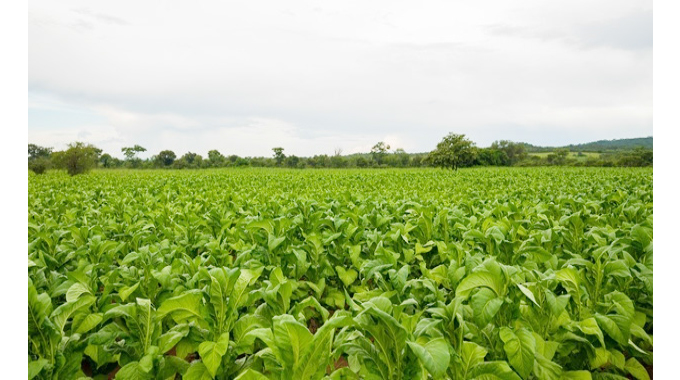
Without sanctions, Zimbabwe would have had greater access to international markets for its agricultural exports such as tobacco, flowers and fruits.
The country could have tapped into new trading partnerships and expanded its market reach, boosting economic growth and agricultural development. Moreover, foreign investment would have flowed into Zimbabwe’s manufacturing sector, allowing it to develop industries that could produce goods for both domestic consumption and export.
Sanctions have not only scared off foreign investment but also curtailed Zimbabwe’s ability to benefit from modern technologies and expertise that often accompany foreign direct investment. Technology transfer, one of the critical components of international business partnerships, has been limited, leaving industries operating with outdated technology.
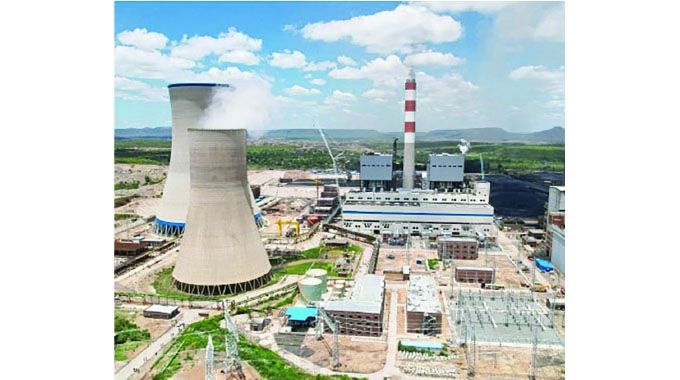
Without the sanctions, Zimbabwe could have attracted global companies that would not only invest capital but also bring advanced technologies that improve efficiency and productivity. The energy sector, for instance, could have greatly benefitted from foreign investments to build modern power plants and renewable energy projects, helping the country overcome its energy deficits.
The lack of investment has meant that Zimbabwe remains reliant on outdated power infrastructure, resulting in frequent energy shortages that hinder industrial growth.
Despite these significant challenges, Zimbabwe has soldiered on, with the Government taking bold steps to push forward with infrastructure development. Major road rehabilitation projects, such as the upgrading of the Harare-Beitbridge Highway, are already underway. These projects are crucial not only for domestic growth but for enhancing regional trade, positioning Zimbabwe as a hub for commerce in Southern Africa. The expansion of energy projects, including solar power initiatives and the upgrading of the Hwange Thermal Power Station, reflects the Government’s commitment to overcoming the energy challenges that have plagued the nation.
However, the real question is: where would Zimbabwe be today if these sanctions were not in place? The pace and scope of these infrastructure developments, though commendable, could have been significantly accelerated without the financial and trade restrictions imposed on the country. Without sanctions, Zimbabwe could have accessed larger pools of foreign capital, fast-tracking its road and rail projects, energy initiatives and urban infrastructure programmes.
While the negative effects of sanctions are undeniable, it is also clear that Zimbabwe cannot afford to moan about them indefinitely. The country must continue to find innovative ways to develop, even within the confines of these illegal sanctions.
The resilience and determination of the Zimbabwean people, combined with smart economic policies, will be the key to overcoming these obstacles.
Government has already made strides in building partnerships with China, Russia and the Middle East, to secure investment and trade opportunities. These partnerships have brought much-needed capital into the mining, energy and agricultural sectors, allowing Zimbabwe to continue its development agenda despite Western-imposed restrictions.
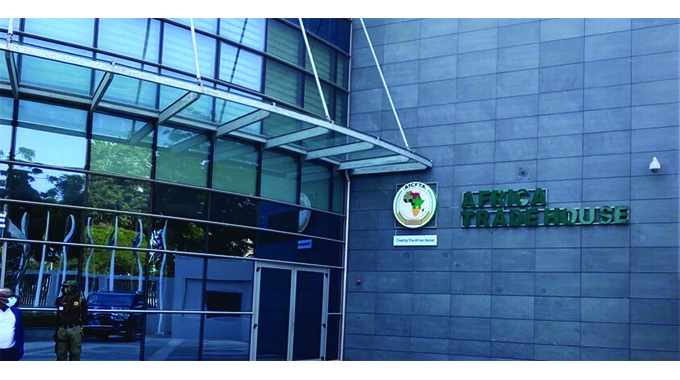
Furthermore, Zimbabwe must continue to focus on domestic economic reforms aimed at improving the ease of doing business and attracting investment from emerging markets. By streamlining its regulatory environment, fighting corruption and investing in human capital development, the country can create an economic environment that is more attractive to both local and foreign investors, even within the constraints of the sanctions. Leveraging regional partnerships through initiatives such as the African Continental Free Trade Area (AfCFTA) can also help Zimbabwe tap into new markets across Africa, reducing its reliance on Western markets and expanding trade with countries that are not bound by the sanctions.
Zimbabwe has an incredible opportunity to turn the challenges posed by sanctions into a springboard for innovation and self-reliance. By fostering home-grown industries, investing in research and development and building a knowledge-based economy, Zimbabwe can reduce its dependency on external support and find solutions that fit its unique economic and social landscape.
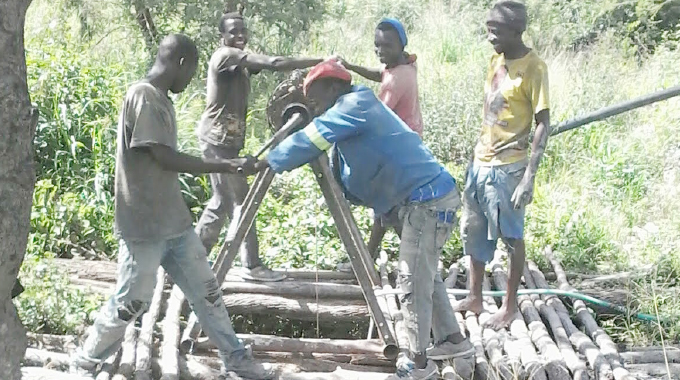
For example, the agricultural sector has already shown signs of recovery, with Government programmes promoting small-scale farming, irrigation development and the introduction of modern farming techniques.
Zimbabwe has the potential to not only meet domestic food security needs but also become a leading exporter of agricultural products across the African continent and beyond.
Additionally, the mining sector remains a key driver for future growth. Despite the limitations on international investment, Zimbabwe is rich in untapped mineral resources. By focusing on building local capacity in mining and forging strategic partnerships with friendly nations, Zimbabwe can boost production and create much-needed jobs. Local beneficiation and value addition of minerals will also help increase revenue, enabling the country to earn more from its vast natural resources.
Zimbabwe’s story is one of resilience and determination. While the sanctions have undeniably hindered the country’s growth and stifled its ability to reach its full potential, the nation has continued to push forward.
The ongoing infrastructure developments — roads, energy projects, mining and agriculture — are a testament to the country’s strength and the commitment of its leaders to move beyond the challenges posed by these sanctions.
However, to fully unlock its potential, Zimbabwe needs to continue reforming its economy, improving governance and finding innovative ways to bypass the economic barriers imposed by sanctions. Instead of relying solely on external support, the country must look inward, investing in its people, industries and natural resources to build a self-sustaining and prosperous economy. And with resilience, vision and collective effort, Zimbabwe can still rise to be a top player in Africa and beyond.


 Online Reporter