derick.khumalo
Theseus Mauruki Shambare in CHIVI
MATABELELAND, Masvingo provinces and other dry areas must take a leaf from Huruva Village Business Unit in Chivi North by using water from the Presidential Borehole Programme to establish household orchards as part of efforts to improve nutrition, generate income and strengthen climate resilience.
Agricultural Planning and Development Director Mr Leonard Munamati said the availability of reliable water should allow rural households to go beyond domestic use and establish fruit trees for both nutrition and income.
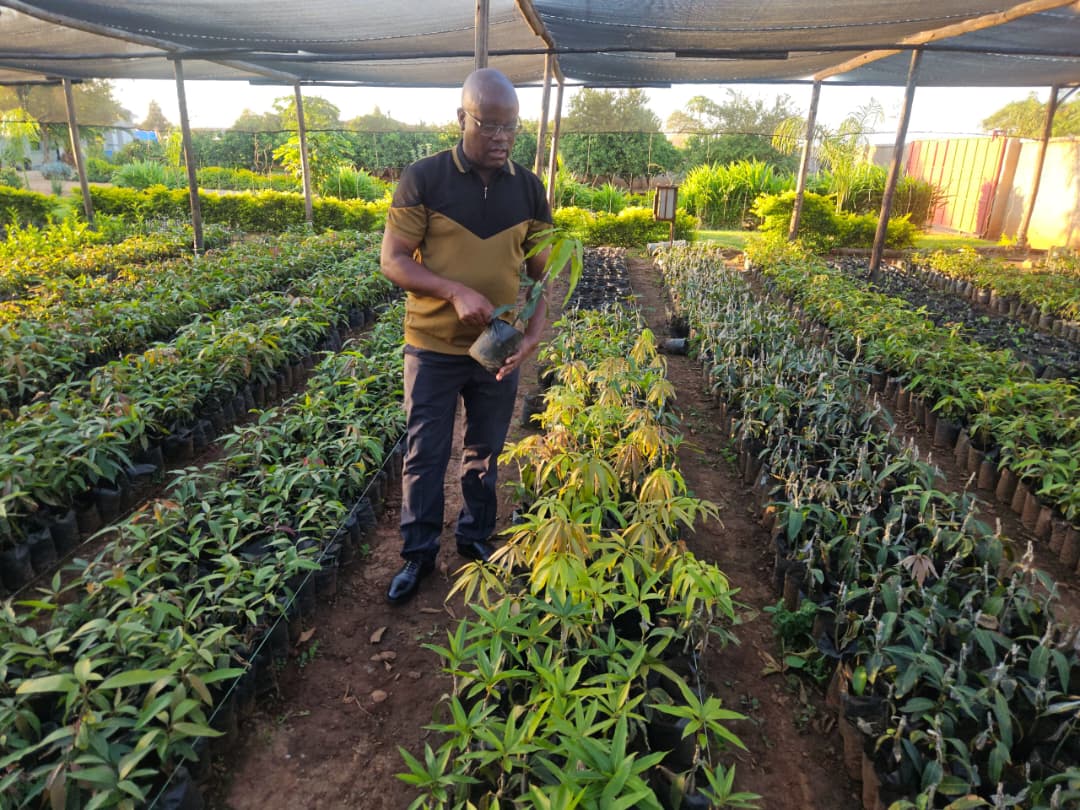
“Seeing an orchard which has been established just outside a village business unit. Under the Presidential programmes, Rural Development 8.0, there is also a programme to distribute fruit trees to various households,” he said.
“And the target is that every household should establish a minimum of 10 fruit trees per each homestead.
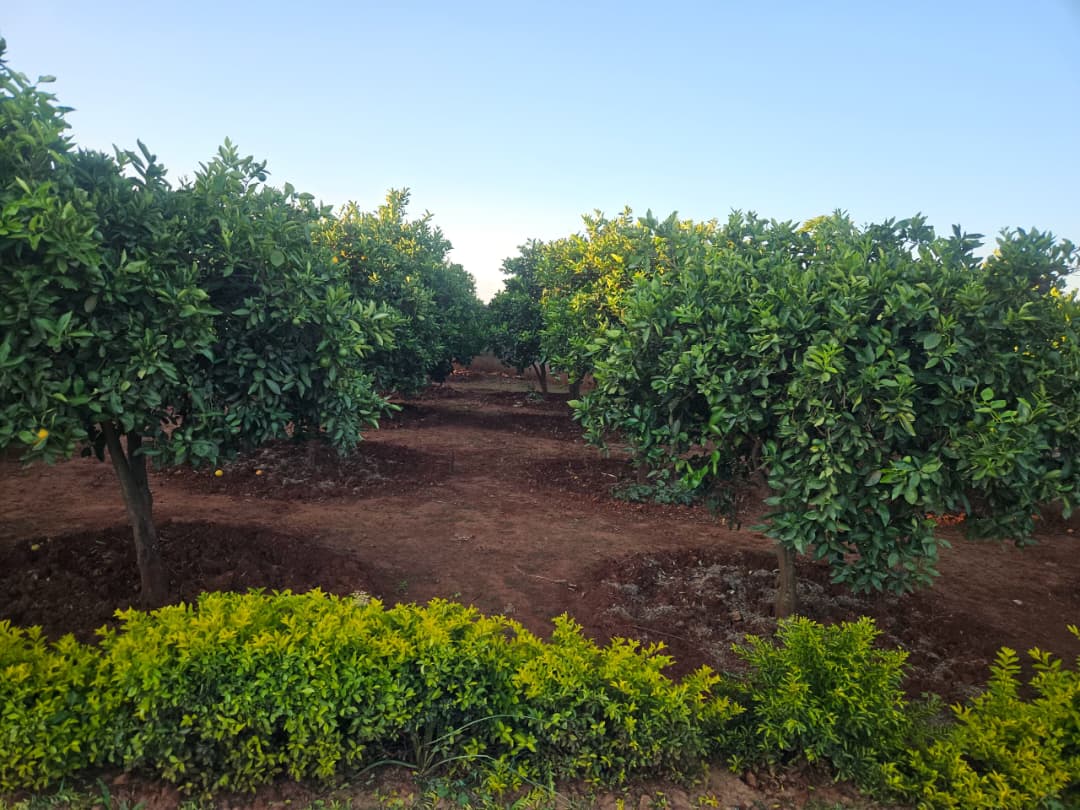
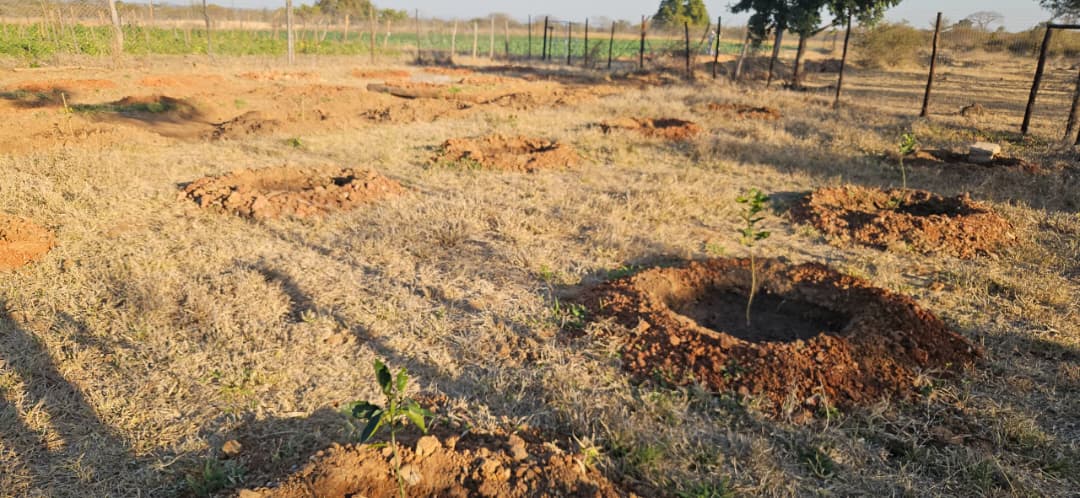
“So here we have seen that they have already planted more than 45 fruit trees, which is very, very exemplary of a group which is implementing the Presidential programme under fruit production.”
Mr Munamati said the Huruva initiative should serve as an example to communities in dry parts of the country, particularly Matabeleland provinces, where water availability remains critical to agricultural production.
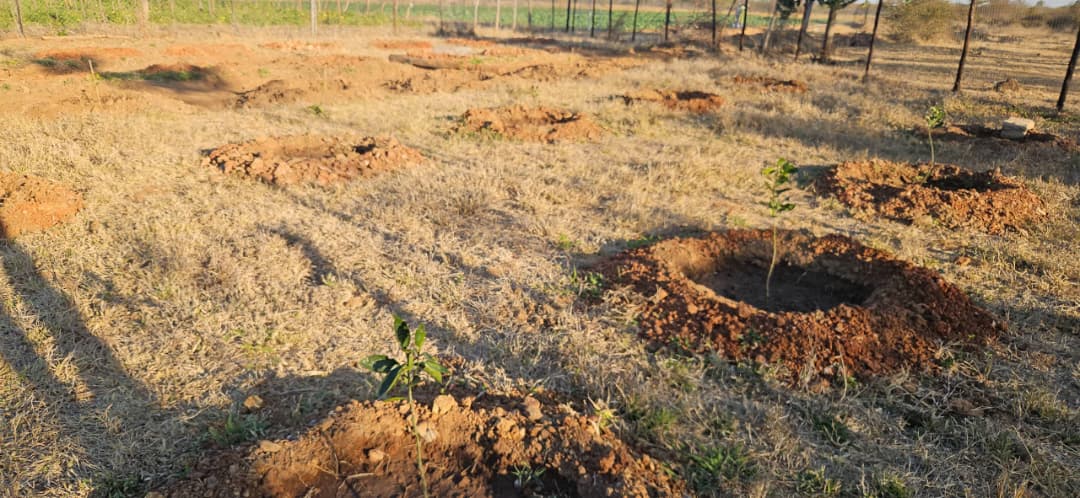
“Communities in the Matabeleland provinces and other dry parts of the country can take a leaf from what is happening here at Huruva Village Business Unit,” he said.
“The availability of water through the Presidential Borehole Programme should not only be used for domestic purposes, but also to support productive activities such as fruit production.”
Mr Munamati said communities should not wait for Government to provide everything before establishing orchards, urging households to start small and gradually expand their fruit production.
“But we do not want to wait for Government. We encourage households to start doing even in a small way,” he said.
“If a household can plant two trees this year, another three next year, eventually we have a big orchard for fruit tree production, for nutrition, also for income.”
At Huruva, more than 45 grafted fruit trees have already been planted, providing a practical example of how rural communities can combine Government programmes with their own initiative to establish productive assets.
The development comes as Government continues expanding the Presidential Borehole Programme across rural communities, with the infrastructure increasingly being linked to productive agricultural activities.
Chivi North legislator Cde Godfrey Huruva Mukungunugwa said the community appreciated Government support towards rural development.
“These interventions are helping households diversify production in an area that has historically faced drought challenges,” he said.
He said the emergence of orchards alongside horticulture gardens and Village Business Units was creating new opportunities for households to produce food and generate income.
Chief Chivi – born Adeline Mausa, said rural development programmes should translate into tangible improvements in the livelihoods of villagers.
“We expect our communities to take ownership of projects and make productive use of available resources,” she said.
The development at Huruva comes as Government seeks to transform rural communities from beneficiaries of development programmes into productive economic units.
The establishment of household orchards is expected to complement Village Business Units and horticulture projects by providing communities with longer-term sources of food and income.
Mr Munamati said the fruit-tree drive should therefore be viewed as an investment in both household nutrition and rural livelihoods.
The initiative also provides a new productive dimension to the Presidential Borehole Programme, with water infrastructure potentially supporting not only household consumption but also horticulture, fruit production and other income-generating agricultural activities.
“For dry regions such as Matabeleland, the Huruva model offers a practical example of how communities can use reliable water supplies to establish productive orchards and gradually build more resilient rural livelihoods,” said Munamati.



 Online Reporter